
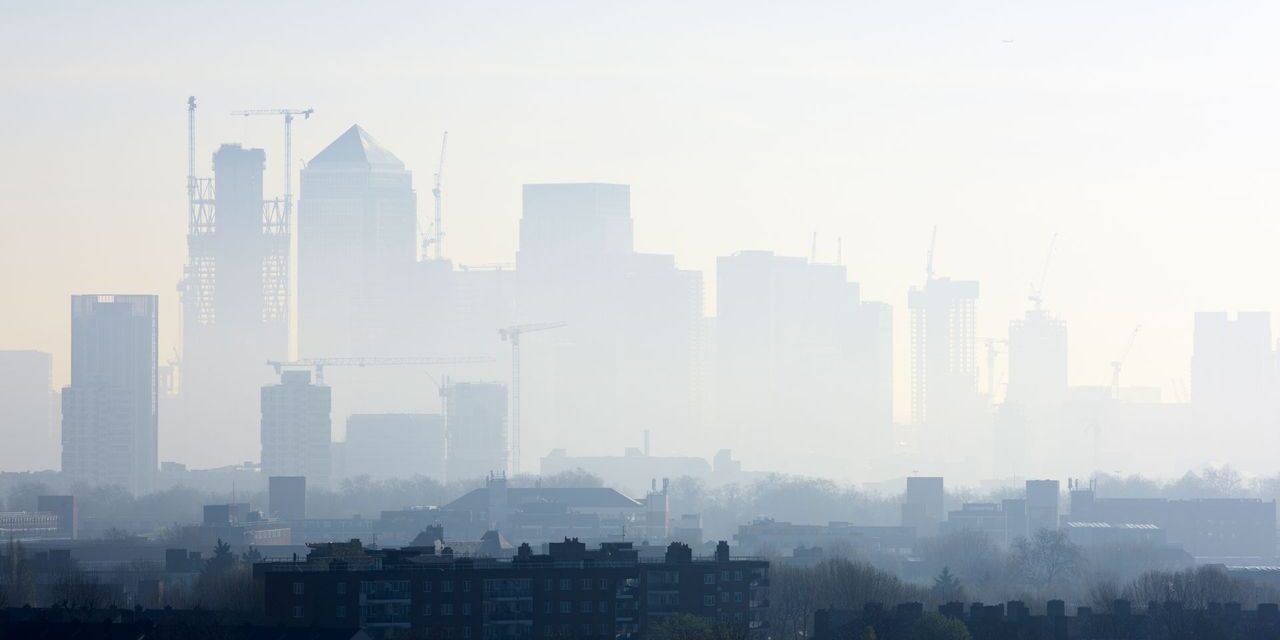
In the 1970s, California declared war not on a hostile nation, but on an insidious enemy closer to home: smog. The battle had far-reaching implications, not only shaping the state’s environmental policies but also influencing international regulations and technological advancements, bringing forth waves of transformation far beyond what anyone had initially envisaged.
This golden state, famous for its sunny beaches and Hollywood glitz, found itself in the unenviable position of being synonymous with “smog.” The toxic brew of pollutants hanging heavy over its cities, especially in Los Angeles, was reaching crisis proportions. Recognizing the threat this posed to both the public health and the state’s image, California launched an extensive anti-smog program.
Born out of this necessity was the California Clean Air Act, and with it, the California Air Resources Board (CARB). The CARB set an international precedent with its stringent regulations on emissions and fuel efficiency. These laws sparked a dramatic change in the US and subsequent international automotive industry, changing the roadmap of vehicular innovations.
Reports from the time suggest that the state’s regulations sped up the implementation of features such as catalytic converters, unleaded gasoline, and oxygenated fuel far quicker than federal policies would have demanded. Furthermore, the CARB’s standards prompted manufacturers worldwide to develop technology to reduce vehicle emissions, endangering the state’s automotive industry’s position temporarily but ultimately paving the way for a global shift towards cleaner, greener cars.
Recently, there has been increased interest in this historical war against smog, particularly in the context of California’s current environmental objectives, and the fallout from its earlier battle. Perspectives and recent articles discussing this issue on platforms such as CalMatters and the San Francisco Examiner, highlight how the state’s pioneering efforts in the 70s inspired a ripple effect globally, forming the basis of many nations’ anti-pollution policies today.
The campaign against smog also had significant implications on public awareness and changed societal attitudes towards pollution. The sight of smog-ridden cities turned environmentalism from being perceived as a fringe concern to a mainstream societal issue. This shift in collective consciousness laid the foundation for the green energy movement we witness today, a fact reinforced in recent articles found in Time Magazine and the Washington Post.
In a prescient call for collective action, then California Governor Ronald Reagan said: “Each of us must share the blame. Everyone contributes to the problem; therefore everyone must work to clean it up.”
But it was not only the automotive industry and public consciousness that saw a change. With the urgent need for air-quality research, the smog war fueled the growth of climate and environmental research centers. Today, California is home to some of the most preeminent institutions in the field of environmental sciences, a testament to the importance placed on research during these formative years.
However, California’s fight against smog is not a story of unmitigated success. Despite the progress made, the state continues to struggle with air pollution, with recent wildfires worsening the situation exponentially. As these northeastern winds fan the flames of wildfires, they also carry large quantities of particulate matter into the air, exacerbating the problem.
Despite significant reductions in pollution levels since the 1970s, California still has some of the worst air quality in the nation, according to statistics from the American Lung Association. But, as international coverage in the Guardian and the New York Times has noted, California also remains at the forefront of innovative responses to air pollution and the broader environmental crisis.
In conclusion, California’s declaration of war against smog in the 70s has had enduring and often unforeseen impacts. The battle triggered an international rethink of environmental policy, scientific innovation, and societal attitudes towards pollution. The fight continues, with the state once again leading in efforts to combat arguably the most significant existential challenge of our times — climate change.
Original Source: https://www.livescience.com/planet-earth/climate-change/california-declared-war-on-smog-in-the-1970s-the-knock-on-effects-were-huge