
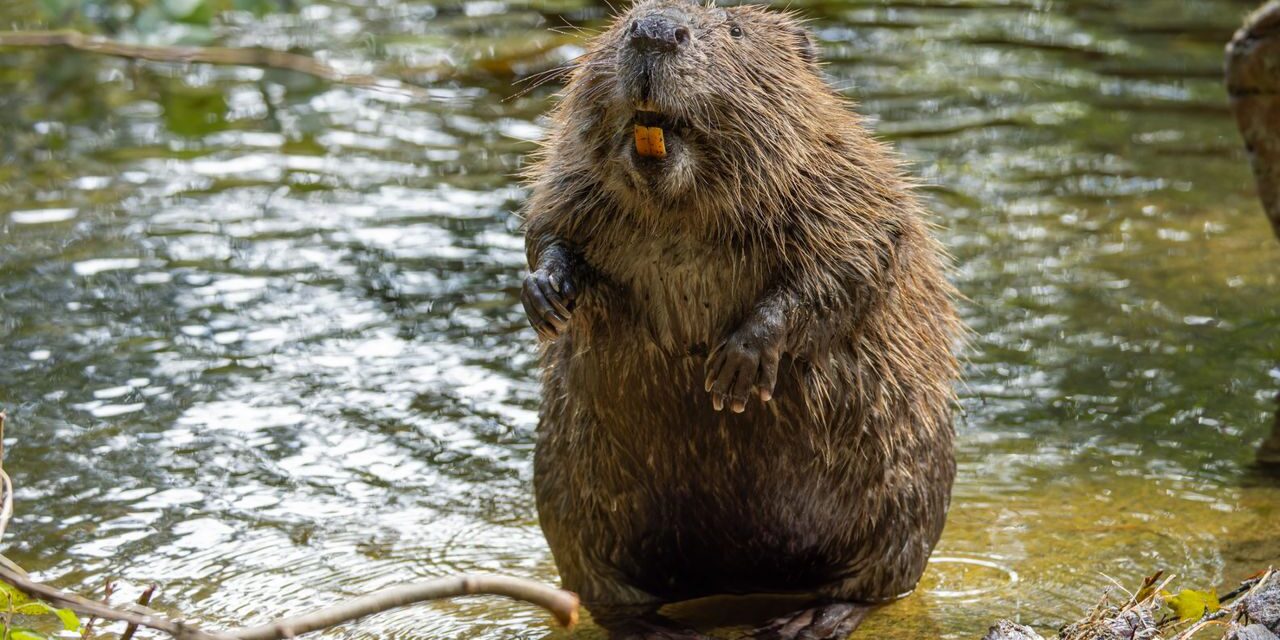
Unexpectedly, a group of natural engineers have emerged as potential allies in combating the escalating crisis of carbon emissions: Beavers. Recent studies suggest that these river-dwelling rodents may aid in the fight against climate change by creating watery environments that absorb vast quantities of carbon from the atmosphere.
Beavers, known for their dam-building skills, transform landscapes like few other animals can. By constructing dams across streams and rivers, they create extensive wetlands — areas that function as frontrunners in absorbing atmospheric carbon.
According to a recent study published in the scientific journal “Biological Conservation”, the carbon trapping potential of beaver-created wetlands is substantial. In the United Kingdom alone, the research estimates that reintroduced beavers currently trap around 200-400 tonnes of carbon per year. That amount increases as beaver populations grow and build more dams.
Reintroduction efforts are underway after centuries of decline due to hunting, which nearly led to the extinction of these creatures. Now, as their value in safeguarding our planet is recognized, innovative projects across Europe have started to reestablish beavers in the wild.
Though modest in comparison to the abundance of global emissions, beaver-influenced carbon reduction could play a crucial part in curbing devastating climate changes, given the scarcity of current effective solutions.
In addition to carbon trapping, there are other environmental benefits to the beaver’s dam-building antics. They create diverse wetlands that provide habitats for a wide range of species, enhance water quality, mitigate flooding, and boost groundwater levels, among others.
“The dams slow the water down and when water is sitting still in a pond, there’s time for the sediment to settle out and that’s what the plants will grow in,” explains Professor Richard Brazier from the University of Exeter to the BBC. “These plants photosynthesize, taking carbon out of the atmosphere, storing it in their bodies, and when they die, it gets deposited in the sediment.”
Addressing climate change requires a multifaceted approach, in which every bit of carbon reduction counts. While a single beaver dam may not seem like it could have a significant impact, the collective result of numerous beaver wetlands could be colossal.
Critics may argue that the furry engineers cause their fair share of disruption too, with their burrowing actions causing damage to forests, roads, and crops. However, proponents of beaver reintroduction assert that the value these animals add to biodiversity and climate mitigation outweigh any challenges they present.
Understanding the active role that animals and our ecosystems can play in climate change mitigation is becoming increasingly significant. Efforts to reintroduce beaver populations and the resultant improvements in water quality and biodiversity emphasize the link between restoring creation and fighting climate change.
Beavers are more than just builder rodents; they are a reminder that mitigating climate change involves actively engaging with all aspects of the Earth’s ecosystem. This revelation about beavers’ possible contribution to carbon reduction presents a beacon of hope in the fight against climate change.
As Dr. Nigel Willby from the University of Stirling mentions, “The role of beavers and other animals reminds us that solutions to many environmental issues often exist in nature.”
While the world continues to grapple with cutting emissions and adopting greener practices, the potential weapon in the climate crisis fight offered by beavers brings a message of optimism and resilience. As such, beavers symbolize the power of small actions, emphasizing that every species has a role in maintaining the health of our planet.
Original Source: https://www.livescience.com/animals/a-secret-weapon-to-fight-carbon-emissions-was-just-discovered-beavers