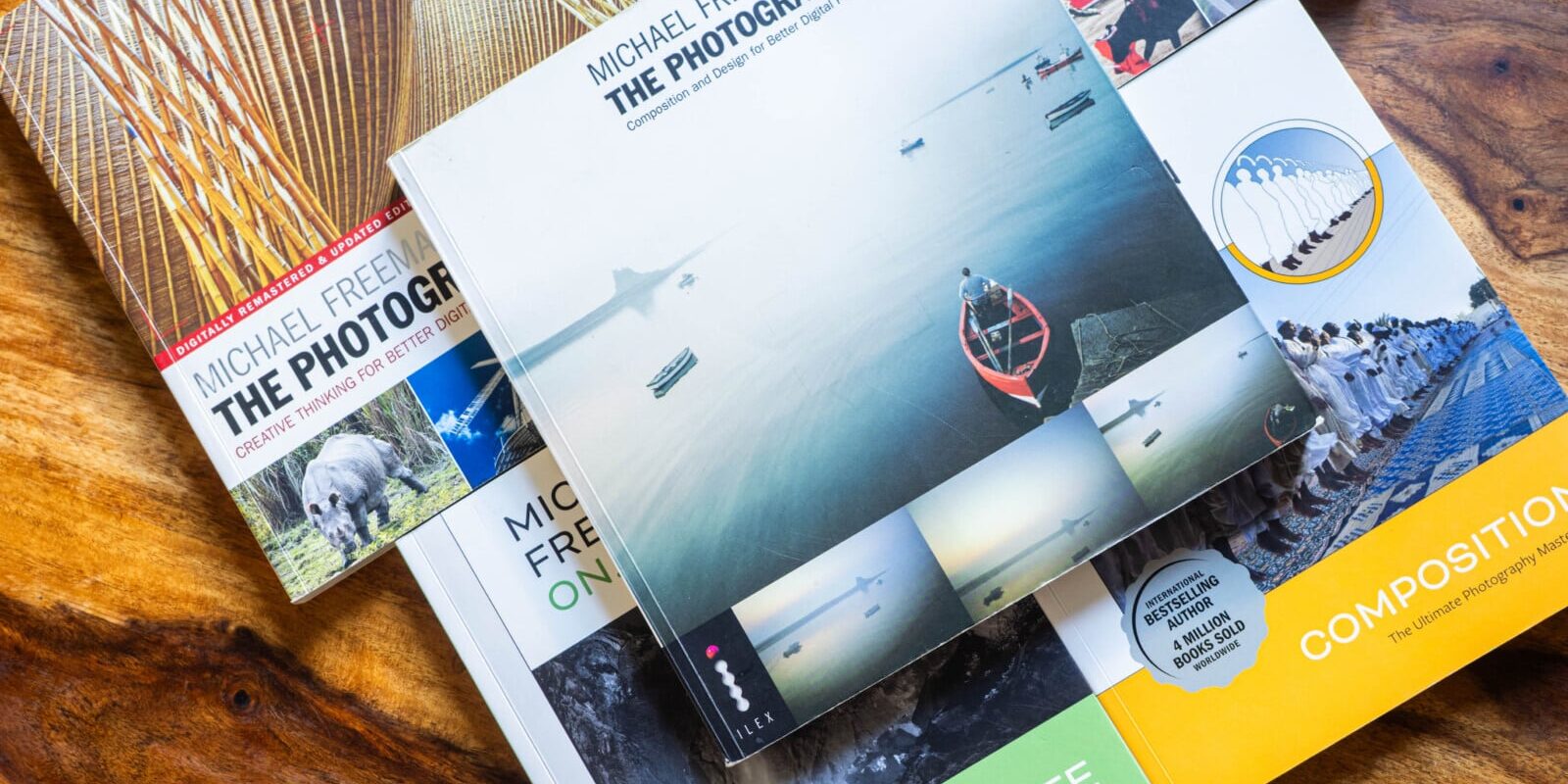
In an era where digital photography has become the norm, few put time into the traditional art of photography: understanding film, developing in a darkroom, or even studying the classic texts that have shaped the industry. The digital age, however, offers a unique opportunity to revisit these past masters, as many publications have digitized versions of popular texts and made them readily available.
Recent online discussions and articles have agreed that anyone invested in photography should delve deeper into the historical context of their craft, to foster a richer understanding and appreciation. As such, several noteworthy vintage books are making a resurgence in the digital world, vastly shared and recommended, with sites such as Bookfinder.com and AbeBooks giving easy access to elusive out-of-print classics.
One such title is ‘Camera Work: A Pictorial Guide’, a quarterly photography journal published by Alfred Stieglitz from 1903 to 1917. Regarded as one of the most significant in the field, the journal showcases a blend of art and journalism, featuring contributions that pushed the boundaries of photography at the time. This text provides insight into early 20th-century photography and its pioneers.
The ‘A Day in the Life’ series offers a glimpse into several countries and cities around the world in a single 24-hour period. The series, first published in 1984, recruited hundreds of photographers to capture the essence of a particular place in a single day. These books provide a wealth of knowledge on photographing outside one’s comfort zone, dealing with lighting, weather, and unplanned encounters.
The ‘Family of Man’, concluded by Edward Steichen, is arguably one of the most significant photo books created. Originally an exhibition at MoMA in 1955, its accompanying book, showcasing 503 photographs from 68 countries, encapsulates the shared human experience, demonstrating photography’s universality.
Arthur Goldsmith’s ‘The American Image,’ showcases photojournalism from the 1920s to 1970s. The volume provides an ideal lens through which to understand the evolution of journalism and the pivotal role of photography, making it an enriching read.
At the top of many digital lists is ‘The Decisive Moment’ by famed photographer Henri Cartier-Bresson. First published in 1952, the book and his coined term have had a lasting impact on the understanding of photojournalism and street photography.
Lastly, ‘The Negative’ and ‘The Print’, part of the Ansel Adams Photography Series, shed light on technical aspects of the craft. These texts remain relevant today with their focus on visualization and image presentation.
Despite being coined as ‘old books’, these and many other texts do not lose their significance in the digital age. They offer networks of insight about the essence and history of photography, as well as timeless lessons on technique. Most importantly, they encourage photographers to nurture a deeper connection to their craft, moving beyond the screen to understand the tactile and tangible aspects of photography.
While physical copies of these old masterpieces might be gathering dust in libraries or disappearing from the shelves, they are receiving newfound recognition online. More platforms are sharing these insightful texts either through digitized PDFs or as part of online courses. This resurgence is not just an ode to nostalgia; it is a call to today’s artists to connect the craft’s past with its future.
In conclusion, a mastery of anything involves understanding its roots. As such, these classic books are not just ‘old’ but essentials in any photographer’s library, irrespective of their familiarity with the digital age. These texts offer a wealth of knowledge, insights, and lessons, making them truly timeless. Without a doubt, they are resources to cherish, in print or on screen, but most importantly, through the lens.
Original Source: https://petapixel.com/2026/03/22/every-photographer-should-read-these-old-books/