
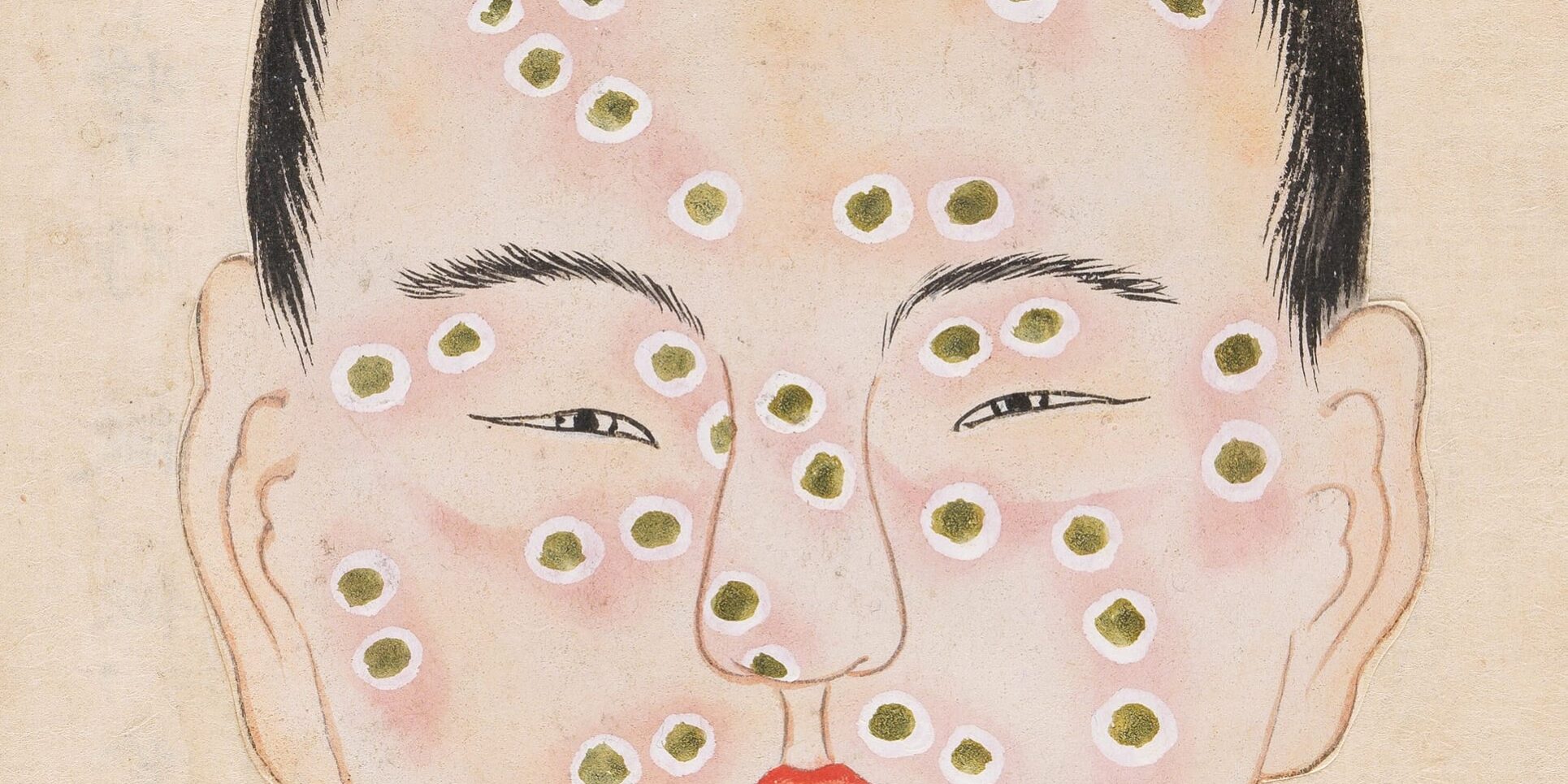
The latest turn
The recently released exhibition titled “The Book of the Human Body” is garnering attention for its comprehensive survey of anatomical inquiry over the last 2,000 years. Hosted at the National Museum of Science and Technology in Milan, the exhibit showcases a rich collection of historical texts, models, and illustrations that chronicle humanity’s evolving understanding of its own body. Visitors engage with not just anatomical diagrams but also the cultural contexts that shaped these discoveries, offering a vivid narrative about the intersection of science, art, and human curiosity.
This exhibit represents a shift in the presentation of anatomical knowledge; it doesn’t merely focus on the past but encourages a conversation about contemporary practices in anatomy and medical science. Using advanced technology, the exhibit includes interactive components that allow attendees to explore the intricacies of the human body in real-time, bridging ancient scholarship with modern-day techniques.
How the story got here
The journey of anatomical study can be traced back approximately 2,000 years, beginning with the observations made by early scholars such as Hippocrates and Galen. These figures laid the groundwork for understanding human physiology, but it wasn’t until the Renaissance that anatomical studies flourished dramatically, fueled by a revival of interest in classical texts and the advent of dissection. Pioneering anatomists like Andreas Vesalius challenged long-held beliefs, producing detailed illustrations that corrected misconceptions about human anatomy.
As the centuries progressed, the field evolved markedly. The discovery of circulation by William Harvey in the 17th century, the advent of microscopy in the 19th century, and the mapping of the human genome in the 20th century each signified monumental shifts. These milestones not only advanced medical practice but also deepened philosophical inquiries into what it means to understand the human condition. “The Book of the Human Body” encapsulates this historical tapestry, presenting artifacts that highlight both scientific rigor and the art of anatomical representation.
As we delve deeper into a new era of the medical sciences, the exhibition serves as a reminder that the quest to understand ourselves is ongoing, with roots deeply embedded in our history. Aspects of anatomy, once explored with crude instruments and limited knowledge, are now examined through surgical precision and genetic analysis.
Next expected developments
Looking forward, the dialogue initiated by “The Book of the Human Body” is expected to evolve further as advancements in biotechnology and genetic engineering take center stage. The rise of personalized medicine, where treatments and diagnostics are tailored to individual genetic profiles, is one area poised for significant growth. Researchers are increasingly exploring how anatomical anomalies at the genetic level influence health, wellness, and even behavior.
Moreover, ethical considerations regarding the use of human anatomy in research and education are likely to become more pronounced. Emerging discussions about consent and representation in anatomical studies will shape future educational practices and engage new voices in the ongoing anatomical narrative. As we navigate these advancements, the exhibit stands as a testament to humanity’s relentless pursuit of knowledge about itself, promising an exciting continuum for future discoveries in anatomical science.
Original Source: https://www.thisiscolossal.com/2026/11/the-book-of-the-human-body-taschen-anthology/