
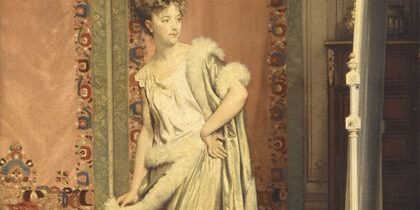
European portraiture, spanning over 300 years, serves as a fascinating lens through which to observe the evolving beauty standards of society. From flattering Renaissance depictions to modern interpretations, these images not only reflect changing ideals of attractiveness but also reveal the societal values and cultural contexts that shape them.
Background and context
The history of portrait painting in Europe can be traced back to the 15th century, thriving under the Renaissance, which emphasized humanism and individualism. Artists such as Leonardo da Vinci and Raphael immortalized figures with idealized proportions and serene expressions, creating a standard of beauty that emphasized youthfulness and idealized physical attributes.
As society transitioned into the Baroque and Rococo periods, beauty standards began to shift alongside cultural changes. Portraits from these eras often featured more elaborate clothing and accessories, reflecting the social status of the subjects. Paintings from artists like Peter Paul Rubens illustrated a preference for fuller figures, a departure from the lean aesthetics that predominated the previous era. This shift paralleled the growing appreciation for wealth and abundance.
Moving into the 19th century, the advent of Realism challenged romanticized portrayals, giving way to more authentic and diverse representations. Artists like Gustave Courbet aimed to depict subjects with a degree of rawness that highlighted natural beauty, regardless of social standing or idealized features. This focus on realism was a direct response to social changes, including the rise of the working class and women’s movements advocating for more representation.
Latest developments
In contemporary art, the standards of beauty have become more inclusive, reflecting a broader spectrum of identities and experiences. Artists today frequently challenge the traditional constructs of beauty through their work, emphasizing individuality and unique expressions over conventional attractiveness. Fashion and media have also adopted this shift, promoting body positivity and diverse representations of beauty in advertising and editorial content.
The digital age has further accelerated this evolution, with social media platforms allowing a multitude of voices to reshape the narrative surrounding beauty. Influencers and artists can showcase various forms of beauty that had been previously marginalized, encouraging acceptance and appreciation of differences, from body shapes to skin tones.
What to watch next
As we continue to navigate discussions around identity and representation, it is essential to observe how portraiture evolves alongside these dialogues. How will artists capture the current climate in which beauty standards are increasingly fluid? The intersection of technology and art will likely play a crucial role, with digital tools offering new avenues for expression.
Additionally, as society pushes towards more inclusive beauty definitions, the role of historical portraiture in contemporary discussions remains vital. Institutions and museums are increasingly revisiting classical works through a modern lens, potentially redefining and expanding our understanding of beauty standards across cultures and periods.
In examining 300 years of European portraits, we find a dynamic narrative that not only encapsulates aesthetic preferences but also mirrors the broader societal shifts and values. Understanding these artistic evolutions can enrich our perspective on the ongoing transformation of beauty standards today.
Original Source: https://www.smithsonianmag.com/smart-news/what-can-300-years-of-european-portraits-reveal-about-evolving-beauty-standards-180989931/