
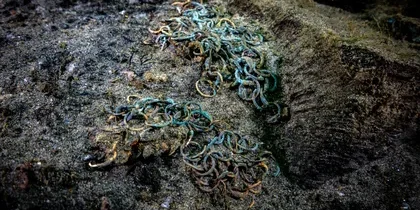
Underwater archaeologists exploring a 500-year-old shipwreck off the coast of Sweden have unearthed an unexpected treasure: what appears to be medieval chain mail, potentially belonging to German mercenaries from the 16th century. This find has reverberated throughout academic and historical circles, prompting discussions on its implications for our understanding of maritime conflict in the region.
Immediate reaction
The discovery was met with enthusiasm from historians and archaeologists alike, many of whom believe it could offer valuable insights into the role of mercenaries in Northern Europe during the late medieval period. Dr. Anna Wahlberg, a leading archaeologist on the project, stated, “This chain mail adds a new dimension to our understanding of trade and conflict in the Baltic Sea. It shows the blend of different cultures and military practices at play during this time.”
The excitement among the academic community has been mirrored in popular media, with several outlets highlighting the implications of finding such personal items from a distant past. Various blogs and historical forums have also buzzed with speculation about the lives of those who wore this armor, igniting interest in medieval history. The excitement extends beyond scholarly circles, fueling interest in local tourism related to the region’s rich history.
What triggered the move
This underwater excavation is part of a broader initiative to explore shipwrecks in the Baltic Sea, an area known for its historical significance and maritime activity. The recent breakthrough comes as part of efforts to preserve the rich maritime history of Sweden and its neighboring countries. The shipwreck was discovered in waters previously thought to be too difficult to survey effectively due to treacherous conditions.
The chain mail, along with other artifacts, was discovered during a routine exploration phase, which was intensified following recent advances in underwater technology. Methods such as high-resolution sonar mapping have made it easier to locate and analyze submerged archaeological sites. This particular site had been overlooked during earlier operations, making the successful recovery of the armor a significant achievement in archaeological methodology.
Why readers should care
The discovery of the chain mail not only enhances our understanding of the past but also invites public interest in history and archaeology. Insights into medieval warfare and the mobility of mercenaries can reshape interpretations of regional conflicts and alliances during that period. This finding sheds light on the complex tapestry of historical narratives in Scandinavia, connecting local history to larger European trends.
Furthermore, as archaeological projects increasingly leverage technology, this discovery serves as a case study for the potential of advanced research methods. The implications for future underwater excavations are considerable, promising richer insights into maritime history that can benefit both scholars and the public. In the short term, we can expect a surge in funding and support for further archaeological research initiatives, particularly those focusing on similar historical contexts.