
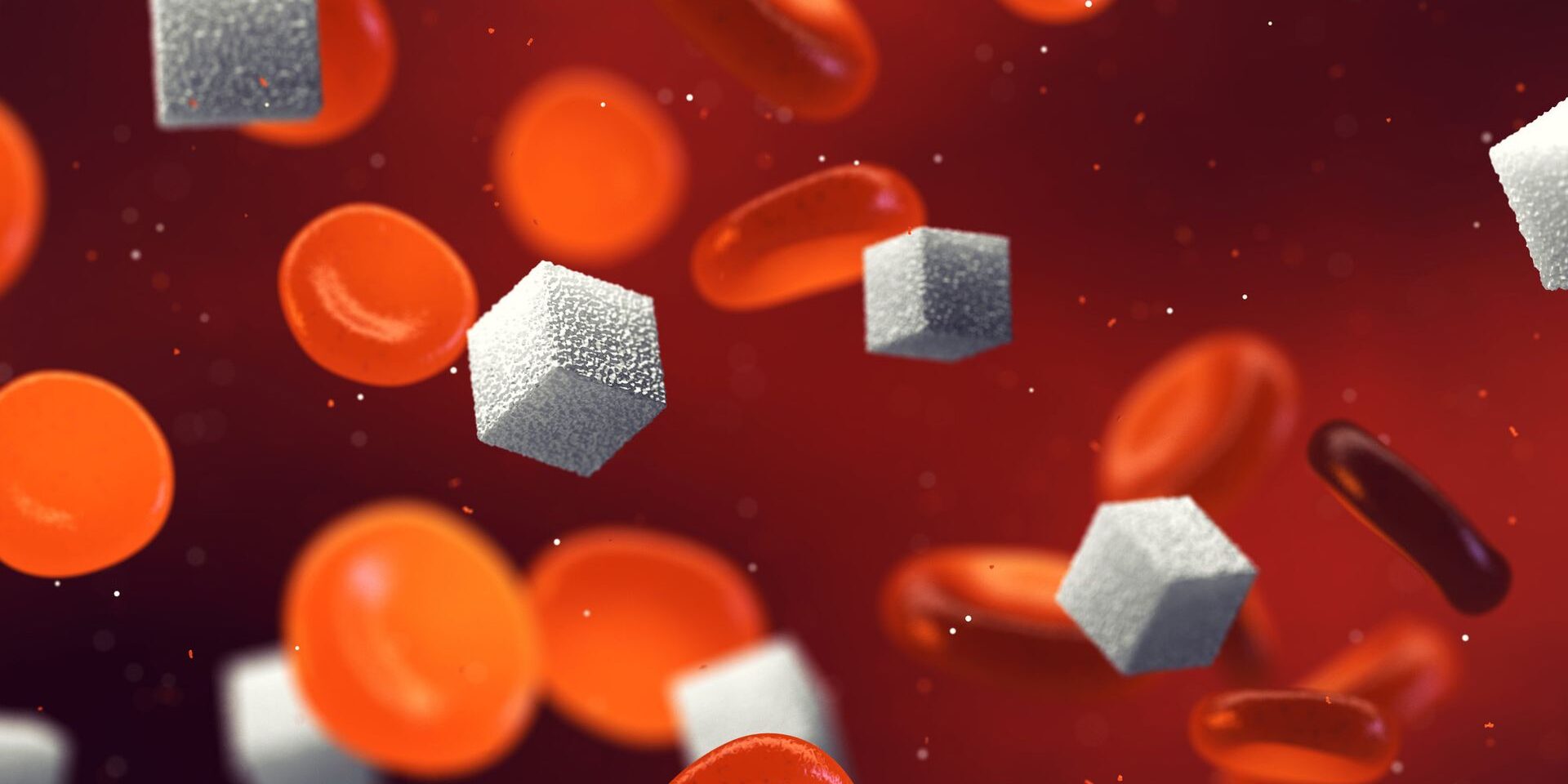
A groundbreaking advancement in protein design is paving the way for innovative therapies in diabetes management. Researchers have successfully utilized artificial intelligence to engineer a protein that can activate defective insulin receptors, offering new hope for individuals with insulin resistance and type 2 diabetes.
Latest developments
Recent studies published in leading scientific journals highlight the success of an AI system in generating a protein that interacts effectively with malfunctioning insulin receptors. The researchers behind this breakthrough tested a range of computational models to design the protein, which acts much like a newly crafted key that fits a broken lock. This engineered protein has shown promising results in laboratory settings, where it was able to restore functionality to insulin receptors that typically do not respond adequately to the hormone.
The implications of this work extend beyond mere laboratory success. Early-phase clinical trials are underway to assess the protein’s efficacy in humans. The researchers are optimistic, citing not only improved receptor activation but also a potential reduction in adverse effects associated with current diabetes treatments. As the trials progress, scientists are eager to learn how this novel treatment could reshape the landscape of diabetes care.
Background and context
Diabetes remains one of the most pressing health challenges globally, with millions affected by insulin resistance, particularly in type 2 diabetes. Traditional treatments often struggle to provide consistent results due to the complex nature of insulin signaling pathways and the body’s response to various medications. Insulin receptors, when defective, fail to stimulate glucose uptake in cells, leading to elevated blood sugar levels and a host of related complications.
The application of AI in bioscience has opened new frontiers in drug discovery and protein engineering. In this context, the recent findings represent a significant leap forward. By leveraging big data and machine learning algorithms, researchers can now simulate and assess the behavior of proteins in ways that were previously unimaginable. The ability to design proteins with specific functionality allows for targeted therapies that could enhance treatment outcomes for patients with diabetes.
What to watch next
As the research progresses into human trials, experts in the field are keenly monitoring the outcomes and potential obstacles that may arise. Questions surrounding the longevity of the protein’s effects, possible immunogenic responses, and long-term safety will be critical in evaluating its viability as a standard treatment. Additionally, the integration of AI-driven protein design into other areas of medicine could yield further breakthroughs in treating various diseases.
The intersection of artificial intelligence and protein design represents an exciting frontier, one that could revolutionize how we approach complex diseases such as diabetes. As researchers continue to fine-tune their designs and gather data from ongoing trials, the potential for this innovative therapy to alter diabetes management as we know it is significant. The fate of this promising advancement will hinge on the results of these forthcoming studies and the scientific community’s response to integrating AI into therapeutic development.