
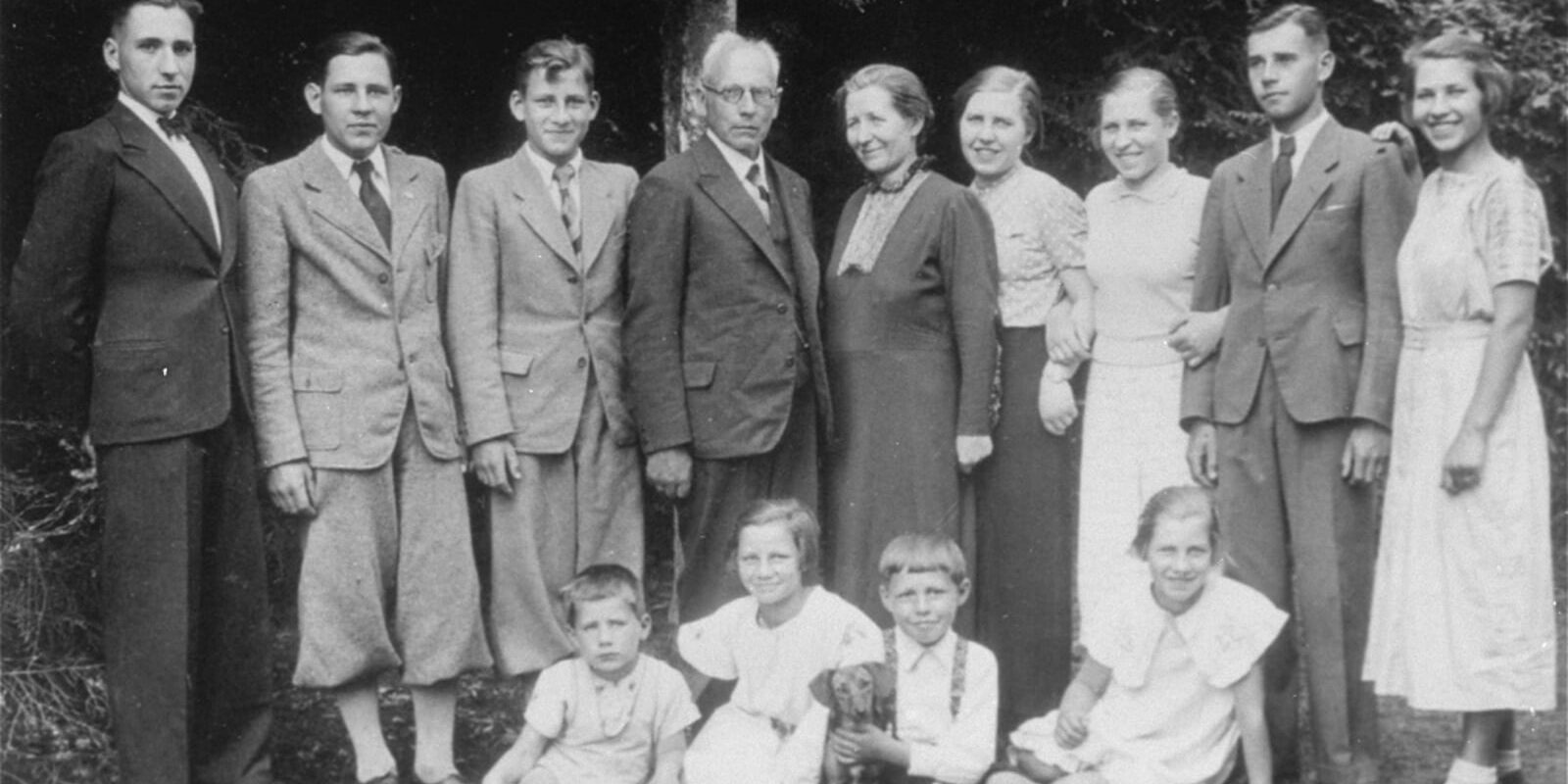
Germany has agreed to transfer ownership of a poignant photo archive that chronicles the persecution of a Jewish family during the Holocaust. This archive, which documents the lives of the Rosenberg family before and during their tragic experiences under the Nazi regime, has sparked a variety of reactions from historians, community leaders, and the public. While some see this as a significant step towards reconciliation and remembrance, others express concern over the complexities of restitution and ownership.
Immediate reaction
The decision to hand over the Rosenberg photo archive has elicited a wave of support, particularly from Jewish organizations and human rights advocates. Many view this action as a vital acknowledgment of historical injustices and a commitment to preserving memory. “This is an important moment in our struggle for recognition and justice for families who suffered during the Holocaust,” commented Esther Klein, a prominent member of a Jewish advocacy group.
Conversely, some skeptics within the academic community caution against viewing the move as a panacea for the broader issues surrounding Holocaust restitution. Critics argue that while returning specific artifacts is a commendable gesture, it does not necessarily address the ongoing systemic challenges faced by descendants of victims in reclaiming lost assets. The discourse surrounding the archive’s return has thus served to highlight the complexities of cultural property and historical reconciliation.
What triggered the move
This decision was prompted by relentless public advocacy and research efforts that revealed the significance of the Rosenberg archive. The collection was discovered in a German basement, previously unrecognized for its historical value. Scholars and family descendants united to lobby for its return, arguing that such materials are critical for understanding the historical and emotional narratives of persecution.
Germany has made considerable strides in recent years to facilitate the restitution of cultural artifacts looted during the Nazi era. The campaign to return the Rosenberg archive aligns with a broader cultural acknowledgment of the country’s tumultuous past. The government’s action appears to be part of ongoing efforts to foster dialogue about the Holocaust and the implications of its memory for contemporary society.
Why readers should care
The return of the Rosenberg photo archive is emblematic of the wider conversation regarding cultural heritage and historical accountability. As Germany continues to grapple with its past, this initiative fosters important discussions on memory, loss, and justice within the context of global human rights. Additionally, it serves as a reminder of the importance of preserving personal histories that reflect the resilience of families who endured unimaginable hardships.
In the short term, this agreement may invigorate advocacy efforts worldwide for the restitution of other displaced cultural artifacts. Scholars and the public alike may take renewed interest in the stories behind lost narratives, encouraging further research, education, and community engagement on Holocaust history. The move signifies not merely an act of return but also a step toward a more nuanced understanding of the lasting impact of historical atrocities.
Original Source: https://petapixel.com/2026/11/25/germany-agrees-to-hand-over-photo-archive-chronicling-a-familys-persecution-by-nazis/