
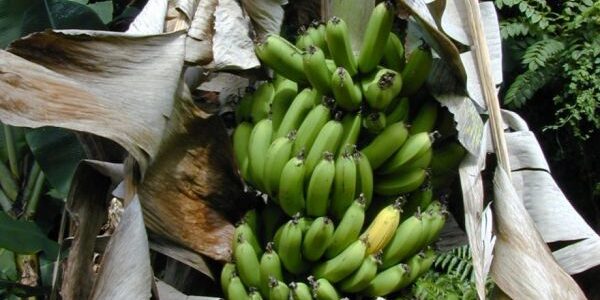
The latest turn
In a promising development for the Cavendish banana, scientists have recently unveiled a genetic modification technique that enhances the plant’s resistance to the devastating Panama disease, caused by the fungus Fusarium oxysporum. This breakthrough, achieved by researchers at the University of the Philippines, utilizes CRISPR-Cas9 technology to precisely edit the banana genome, providing it with a better defense against this lethal pathogen. The new variety, dubbed “Cavendish 2.0,” has demonstrated remarkable resilience in preliminary field tests, outpacing traditional varieties that remain vulnerable to disease.
These advancements follow years of intensive research and collaboration among global agricultural scientists, governments, and industry players aiming to save the world’s most commercially significant banana variety. Experts believe that Cavendish 2.0 holds significant potential for both smallholder farmers and large-scale banana producers, revitalizing a product that accounts for more than 50% of global banana exports.
How the story got here
The journey to protect the Cavendish banana has been tumultuous and accelerated in recent years. Initially introduced as a top export variety in the 1960s and 1970s, the Cavendish quickly became the mainstay of global banana production, supplanting the previous favorite, the Gros Michel, which was decimated by Panama disease.
In the late 1990s and early 2000s, the emergence of a new strain of Panama disease (race 4) began wreaking havoc on Cavendish plantations worldwide, leading to significant crop losses in key producing countries such as the Philippines, Ecuador, and Costa Rica. As the severity of the situation became apparent, alarm bells rang in the agricultural community, prompting immediate calls for innovative solutions.
Moreover, researchers adopted traditional breeding methods and explored various biotechnological approaches. In 2018, scientists from Australia published findings demonstrating that editing Cavendish bananas could produce a variety resistant to diseases. The combined efforts of geneticists, agricultural economists, and policymakers started shaping a multi-faceted response to preserving this crucial agricultural resource.
Next expected developments
Looking ahead, the focus will shift to large-scale field trials, regulatory approvals, and ultimately, commercial cultivation of Cavendish 2.0. The timeline for these developments remains uncertain, as regulatory bodies grapple with the implications of genetically modified organisms (GMOs) and their acceptance in consumer markets. Advocacy efforts by scientists will likely intensify to underscore the necessity of deploying modified crops to combat emerging plant diseases.
Furthermore, researchers around the globe are poised to continue exploring alternative solutions, including improved agricultural practices that reduce reliance on monocultures, and biodiversity initiatives that could offer additional layers of safeguard against disease. The activation of international agricultural partnerships will continue to gain momentum in the wake of this significant breakthrough. As stakeholders navigate genetic, environmental, and economic landscapes, the fate of the Cavendish banana hangs in the balance, with the next few years critical to determining its future within the global food system.
Original Source: https://www.neatorama.com/2026/11/01/Advances-in-Saving-the-Cavendish-Banana/