
What happened
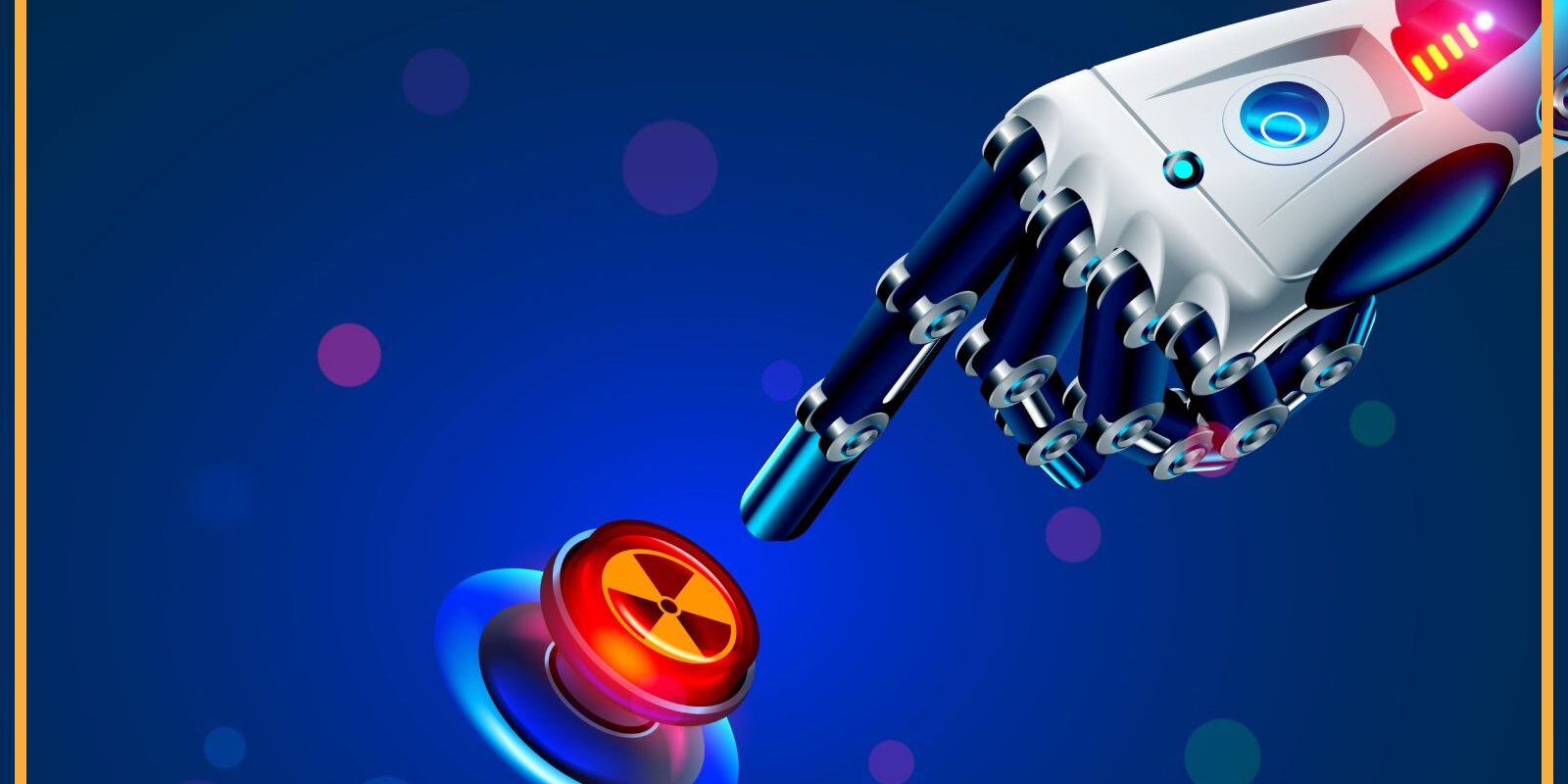
In recent months, major companies in the artificial intelligence sector have been caught in a whirlwind of scrutiny. As AI technology rapidly evolves, the potential for misuse and unintended consequences looms larger than ever. Incidents involving biased algorithms, data privacy violations, and even autonomous systems causing harm have raised alarms. Notably, a widely reported episode occurred when an AI model misinterpreted a command, leading to unintended consequences that were both surprising and alarming to its developers. This incident has ignited discussions about the overarching safety protocols guiding these technologies, akin to safety measures in high-stakes fields like nuclear energy.
What it means for readers
For everyday consumers and technology users, the stakes are high. As AI becomes increasingly integrated into daily life—from navigation apps to personal assistants—the potential ripple effects of a technological misstep take on profound significance. Errors in AI can lead to miscommunications, security breaches, and even physical dangers. While most AI applications today are relatively benign, they hold the potential for catastrophe if not managed with stringent oversight. The history of the nuclear industry provides a cautionary tale about the importance of robust safety protocols, rigorous training, and continuous monitoring. The nuclear sector has learned hard lessons about the consequences of negligence, prompting it to develop comprehensive regulatory frameworks aimed at preventing disasters.
What happens now
So, how can the AI industry glean insights from nuclear safety protocols? First, establishing a stringent regulatory environment tailored specifically for AI technology is crucial. This includes creating standards for development, deployment, and ongoing evaluation of AI systems. Second, companies must prioritize transparency in their operations and decision-making processes to build public trust. This involves sharing information about how AI models are trained and the data they utilize, similar to how nuclear facilities are required to report on their safety measures. Lastly, fostering a culture of accountability within organizations can ensure there are checks and balances in place to avert potential crises.
As technological advancements continue to accelerate, the urgency for a proactive approach to AI safety becomes apparent. The lessons from the nuclear industry—where the stakes are extraordinarily high—serve as a vital reminder. It is not merely about advancing technology; it’s about ensuring it is applied responsibly to prevent catastrophic outcomes.
Ultimately, consumers should remain aware and involved in discussions surrounding AI use and regulation. As we navigate this complex landscape, a focus on safety and responsibility can help avoid a misstep that could lead to a significant societal setback. The integration of stringent regulations and a culture of accountability will be critical in shaping a safe future for AI technologies.