The latest turn
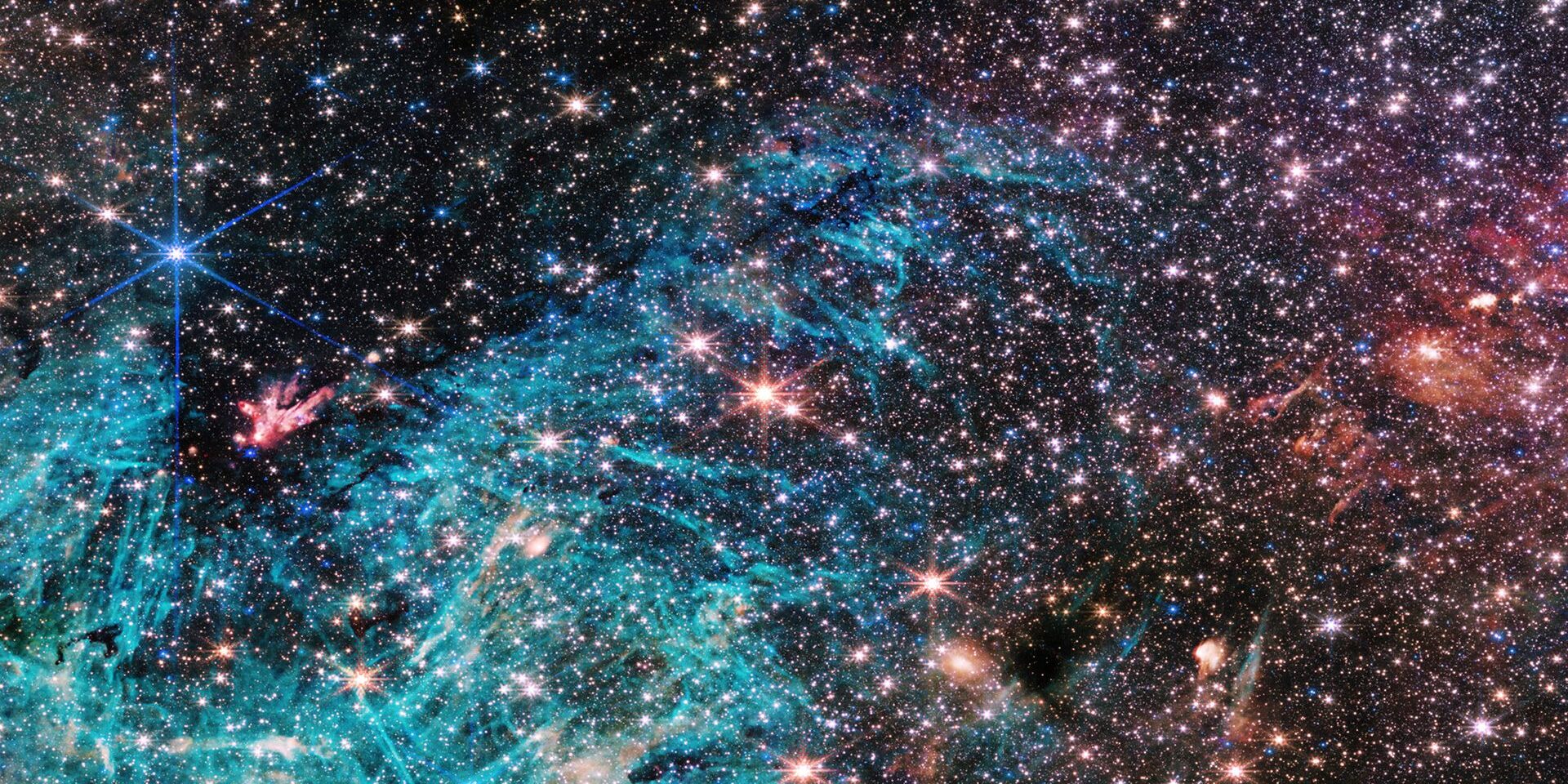
Recent observations from the James Webb Space Telescope (JWST) have revealed an intriguing and unexpected accumulation of heavy metals surrounding Sagittarius A*, the Milky Way’s supermassive black hole. Scientists announced this surprising discovery in a publication earlier this week, igniting further interest in the cosmic dynamics of our galaxy’s central region. This newfound metallicity raises questions about the processes contributing to the enrichment of this area with elements heavier than helium, and how these processes interplay with the black hole’s environment.
The JWST’s findings indicate that the concentration of metals in the vicinity of Sagittarius A* is much higher than previous models suggested. Researchers emphasize that this accumulation might be a result of ancient stellar explosions and the remnants of star formation in the area. This telescope, equipped with advanced infrared capabilities, has allowed scientists to peer deeper into the dense clouds of gas and dust that envelop the black hole, providing an unparalleled look at its surrounding materials.
How the story got here
The intrigue surrounding Sagittarius A* has been a topic of research for many years. Astronomers have long speculated about the conditions near supermassive black holes and how they influence their surroundings. Previous observations primarily focused on x-ray emissions and gravitational effects linked to the black hole. However, the JWST has shifted the narrative by enabling researchers to analyze the chemical composition of nearby cosmic structures with unprecedented clarity.
The buildup of metals around Sagittarius A* has drawn particular attention for its implications on galactic evolution. Heavy elements created in the cores of massive stars are usually expelled into space after these stars die, enriching the interstellar medium and fostering further star formation. Understanding the distribution and origin of these metals around a supermassive black hole adds a vital piece to the puzzle regarding how galaxies develop over time.
Additionally, this discovery has sparked discussions among astronomers about the various roles supermassive black holes play in the lifecycle of stars and the interstellar medium. The metals’ higher-than-expected abundance might alter existing theories on galactic dynamics and black hole interactions, pushing researchers to rethink established models.
Next expected developments
Looking forward, scientists anticipate that future analyses using the JWST, alongside existing instruments like the Very Large Telescope (VLT) and the Atacama Large Millimeter/submillimeter Array (ALMA), will provide even deeper insights into the makeup of materials surrounding Sagittarius A*. Upcoming studies are likely to focus on mapping the distribution of these metals in finer detail and exploring how they affect star formation rates and the behavior of the black hole itself.
Additionally, the discovery may lead to collaborative projects aimed at better understanding galactic nuclei across different types of galaxies, not just our own. The astronomical community is keenly aware that these findings could redefine our comprehension of the universe’s evolution.
In essence, the puzzle continues as researchers piece together the mysteries of the Milky Way’s supermassive black hole, with each new finding guiding a fresher exploration into the heart of our galaxy. As the investigation progresses, each revelation could deepen our understanding of cosmic processes that have shaped the universe as we know it.
Original Source: https://www.livescience.com/space/astronomy/james-webb-telescope-discovers-surprising-trove-of-metals-around-the-milky-ways-supermassive-black-hole