
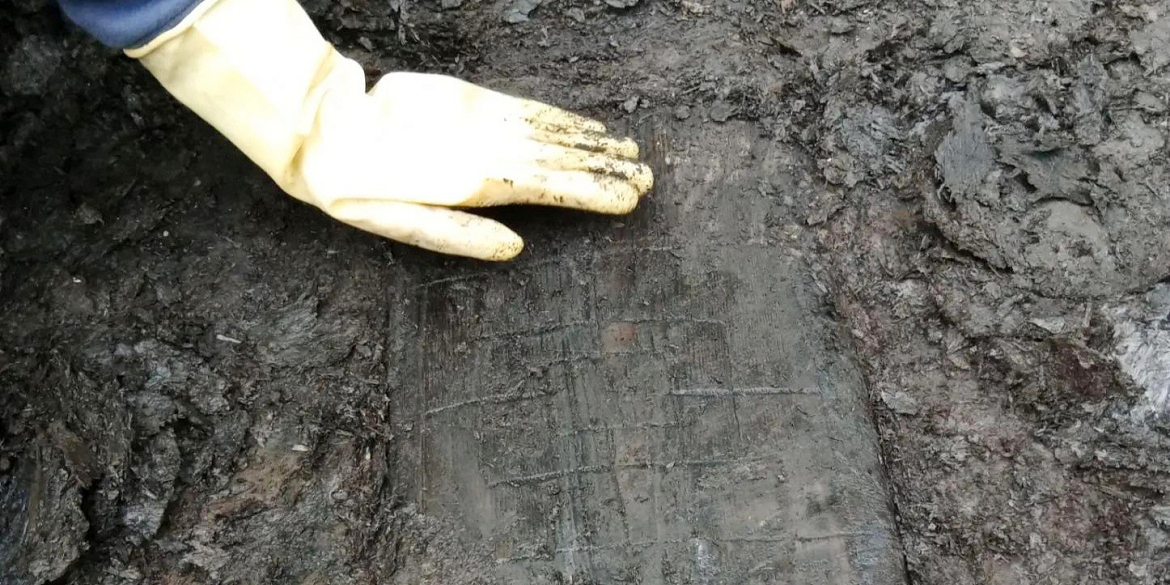
Archaeologists in Russia have unveiled a remarkable discovery: an 11th-century pizza peel that also served as a medieval game board. This unexpected dual purpose highlights the creativity and cultural practices of the era, shedding light on the daily lives and leisure activities of people living during that time.
Latest developments
This unique artifact was uncovered in the ancient city of Novgorod, a site known for its rich history and heritage. The peel, made of wood, features an interesting array of carvings that not only indicate its use for cooking but also suggest it was used for playing games similar to chess or checkers. The dual functionality of the item has intrigued historians and archaeologists alike, raising questions about how everyday objects were repurposed in the Middle Ages.
Recent analysis of the markings and wear patterns on the peel confirmed its use in both culinary and recreational settings. Researchers believe this multifunctionality reflects the resourcefulness of medieval individuals, who often made the most of limited resources. The discovery has sparked renewed interest in Novgorod’s medieval culture, prompting further excavations in hopes of finding related artifacts.
Background and context
Novgorod, one of the oldest cities in Russia, played a significant role in trade and cultural exchange during the medieval period. It was a melting pot of various influences, owing to its strategic location along key trade routes. The city was a hub for merchants, artisans, and scholars, making it a vital center for the dissemination of ideas and innovations, including culinary practices.
The pizza peel itself is a wooden paddle traditionally used to slide pizzas into an oven, but historical evidence shows it had other functions centuries ago. In medieval times, game boards were often made from everyday items. The discovery of this peel reinforces the understanding that leisure activities were an integral part of life, even in an era when daily survival was a primary concern.
Prior to this discovery, archaeologists had suspected that such multifunctional artifacts existed but lacked definitive evidence. The implications of this find could lead to a broader understanding of medieval social customs and leisure, which have often been overlooked in favor of more pressing historical events.
What to watch next
As this intriguing discovery captivates both the academic community and the public, researchers are poised to conduct further studies on the pizza peel and other potentially related findings in Novgorod. Upcoming excavations may shed more light on the social dynamics of the time, especially regarding dietary habits and community engagement in games and recreation.
The unearthing of the pizza peel highlights a growing trend in archaeology that seeks to reinterpret everyday life through the lens of artifacts. Future discoveries may expand our understanding of the interactions between food, culture, and leisure in medieval societies. As more artifacts come to light, they could radically alter our perceptions of history and the complexities within everyday life during the 11th century.
Original Source: https://www.livescience.com/archaeology/11th-century-pizza-peel-discovered-in-russia-doubled-as-a-medieval-game-board