Latest developments
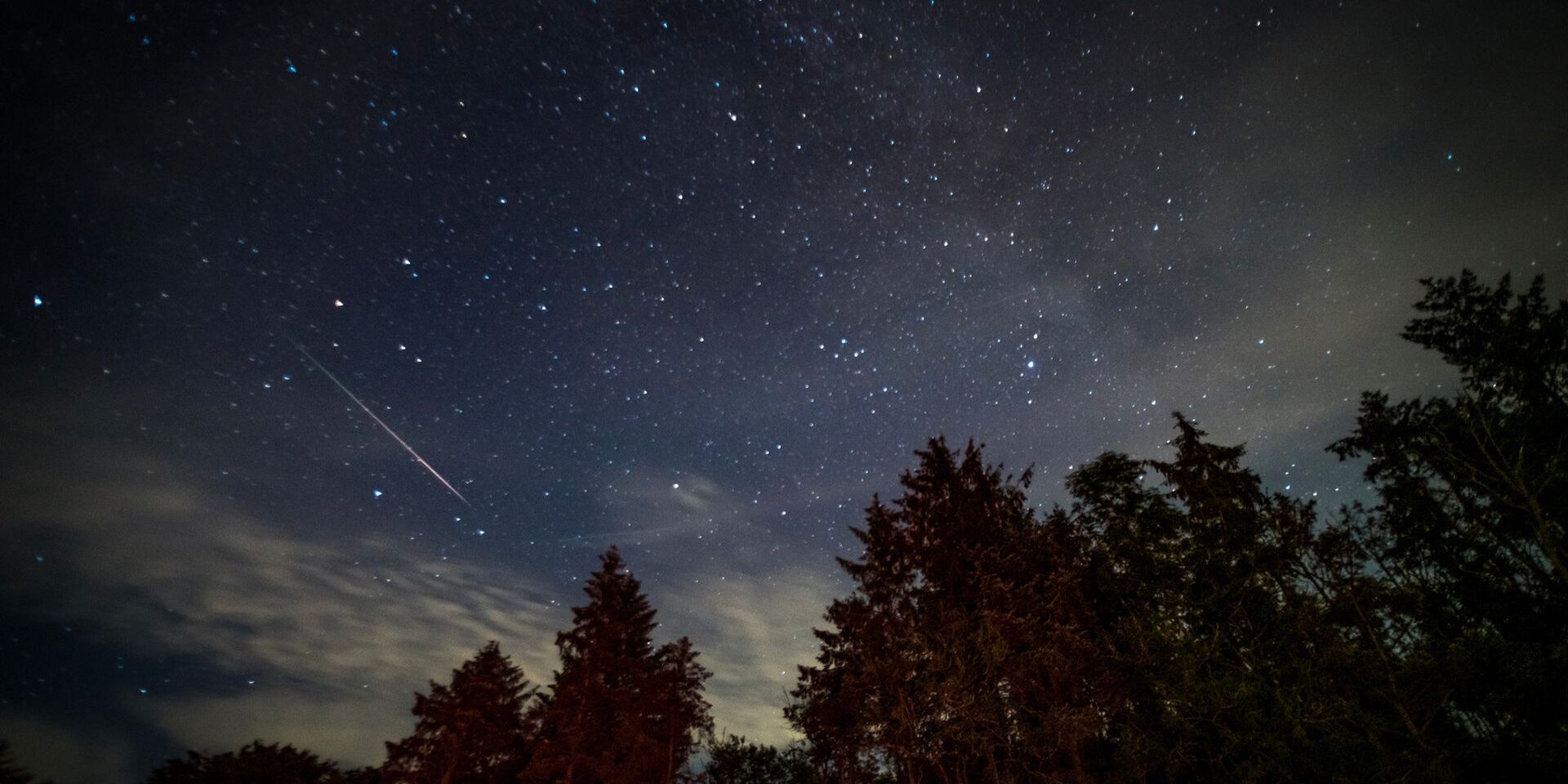
The Draconids meteor shower has officially begun, captivating stargazers around the world with its potential for breathtaking displays. Typically active in early October, the shower is renowned for its unpredictable nature, sometimes producing dozens up to hundreds of meteors per minute. This year, experts suggest that the Draconids may deliver a particularly spectacular show due to a recent outburst, prompting enthusiasts and curious observers alike to find a darkened location to witness the celestial event. The best viewing opportunities will occur on the nights of October 8 and 9, with favorable conditions reported in many regions.
Background and context
The Draconids are linked to the comet Giacobini-Zinner, which emits a stream of meteoroids as it orbits the sun approximately every 6.6 years. When the Earth passes through this trail of debris, the meteoroids enter the atmosphere and ignite, producing the visible meteors. Unlike many meteor showers, which have predictable peak rates, the Draconids can surprise observers with intense bursts. Historically, some peaks have delivered remarkable displays; the most notable instance occurred in 1933, when thousands of meteors were recorded in just one hour.
The shower is best viewed in the Northern Hemisphere, where the constellation Draco, after which it is named, resides in the sky. Observers typically look towards the north, where the constellation’s radiant point is located. The phenomenon can, however, be seen from other regions, though the view may be less intense. While the Draconids generally produce fewer meteors compared to other showers, their potential for sporadic bursts, especially following a comet’s close approach, draws interest from astronomers and the general public alike.
What to watch next
Skywatchers are encouraged to find a dark, open space free from light pollution to enhance their viewing experience. The meteors are best observed shortly after nightfall, typically between 8 PM and midnight local time, when Draco is high in the sky. For those planning to catch a glimpse of this yearly event, patience is key, as not every year produces the same volume of meteors.
With the right conditions in place, this year’s Draconids could provide an enchanting spectacle unlike anything seen in recent years. As weather forecasts indicate clear skies across much of the Northern Hemisphere, the opportunity for remarkable viewing presents itself. So grab a blanket, turn your gaze skyward, and prepare for a night of stargazing that may very well leave you in awe of the universe’s unpredictable wonders.
Original Source: https://www.livescience.com/space/meteoroids/the-draconids-an-unpredictable-shower-that-can-bring-hundreds-of-meteors-per-minute-has-begun