
Latest developments
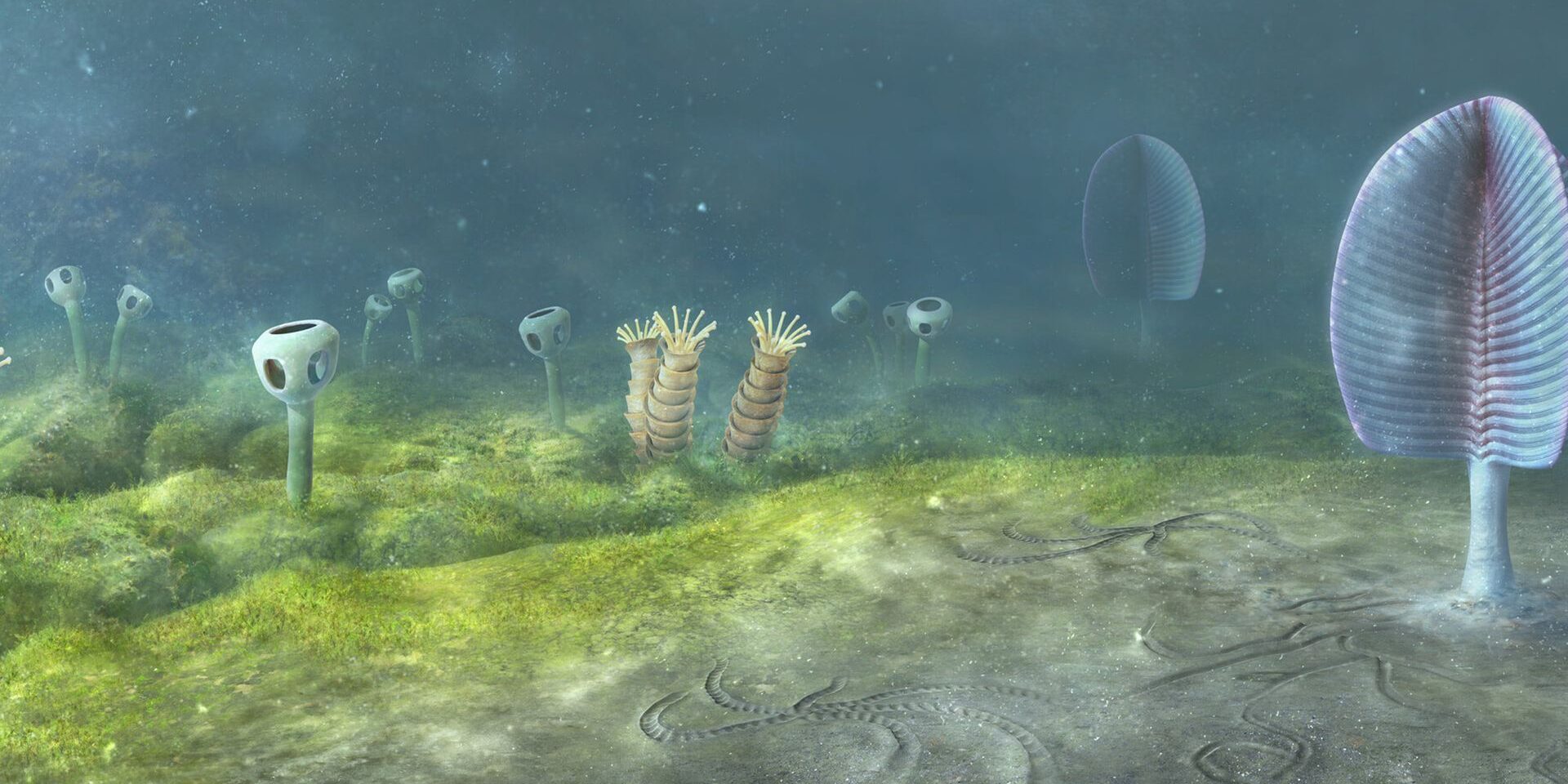
Recent research has proposed that the evolutionary origins of animals may date back 200 million years earlier than currently accepted timelines suggest. A study published in the journal *Nature* indicates new fossil evidence may push the emergence of multi-cellular animals from approximately 600 million years ago to around 800 million years ago. This pivotal shift not only alters the timeline of animal evolution but may also impact our understanding of the ecological conditions that prompted this significant biological leap.
The study, led by researchers at the University of California, Berkeley, applies advanced dating techniques to fossils found in southern China. These fossils belong to a group of ancient organisms displaying traits characteristic of early animal life. The results of this study, combined with previous genetic analyses, present a compelling case that earlier life forms and environmental factors played a critical role in the evolution of early animals.
Background and context
Understanding the origins of animal life has historically been based on fossil records and geological data. Until now, scholars have primarily relied on the Cambrian explosion, around 540 million years ago, as the defining moment when most major animal groups emerged. Prior studies suggested that this was preceded by a smaller evolutionary buildup during the Ediacaran period. However, determining the exact timeline of early animal evolution has proven challenging, as fossil findings can be sparse and difficult to interpret.
The previous timeline established a significant evolutionary gap, with evidence suggesting that the first macroscopic animals emerged soon after the appearance of single-celled organisms. Researchers have constantly debated the biological and environmental conditions that fostered this transition from unicellular to multicellular life. Paleontologists have long believed that these developments were influenced by changes in ocean chemistry and climate, providing the necessary conditions for early animal life to thrive.
This latest study aligns with emerging theories suggesting that more complex life forms may have evolved independently of previous assumptions, potentially co-existing with microbial life forms much earlier than originally thought. These findings have significant implications for our understanding of the history of life on Earth and challenge pre-existing paradigms regarding the development of multicellularity.
What to watch next
The implications of this study encourage further exploration into the evolutionary lineage of early animals and their environments. Future research may focus on expanding fossil recovery efforts in diverse geographical locations to uncover further evidence. Additionally, scientists could delve deeper into genetic studies of existing species to better understand their evolutionary history and relationships.
Furthermore, experts anticipate a greater focus on reconstructing ancient ecosystems to unravel how these early animals interacted with their surroundings. Such studies could illuminate the dynamics of early life, potentially answering critical questions about biodiversity’s origins. As this research gains traction, scientists, researchers, and enthusiasts alike may witness a paradigm shift in the understanding of life’s complexity and its roots in the evolutionary timeline.
As these new findings challenge previously held beliefs, the scientific community is poised to re-evaluate the history of animal evolution, thus showcasing the dynamic nature of paleontological research.
Original Source: https://www.livescience.com/planet-earth/evolution/animals-may-have-evolved-200-million-years-earlier-than-previously-thought-new-study-suggests