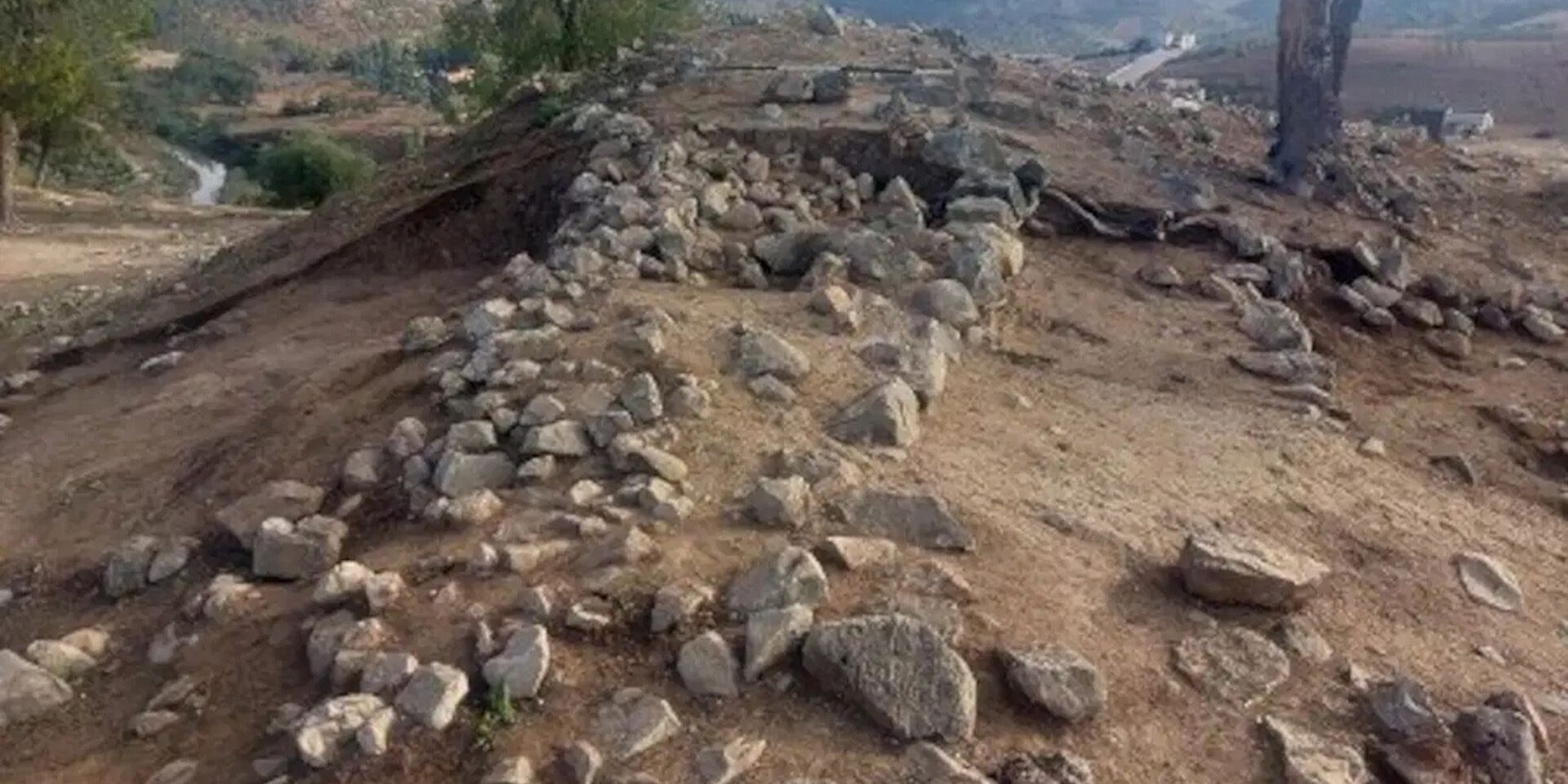
A remarkable archaeological find in Africa has unveiled the continent’s oldest known defensive wall, predating similar structures in other parts of the world, including Egypt. Estimated to be around 4,000 years old, this ancient fortification offers insights into the complexities of early urban society and warfare in the region.
Latest developments
The discovery was made in a remote area of modern-day Sudan, where researchers have been investigating the remnants of ancient civilizations. The wall covers an extensive area, indicating that it was part of a significant settlement that likely engaged in trade, agriculture, and possibly conflict. Initial excavations have revealed not only the wall itself but also pottery artifacts and evidence of habitation, providing a glimpse into the daily lives of the communities that built it.
Researchers from various institutions collaborated on the excavation, using advanced dating techniques to ascertain the wall’s age. Their findings highlight the wall’s construction as a sophisticated engineering feat of its time, featuring robust materials designed for longevity and protection. The discovery has been met with enthusiasm in the archaeological community, as it challenges previous notions of urban development in Africa and provides a new framework for understanding societal structures in ancient times.
Background and context
The history of defensive structures in Africa has often been overshadowed by monumental sites such as the Great Pyramids of Giza. Historically, the narrative has tended to focus on Egypt, sometimes neglecting the advancements and developments occurring concurrently in other areas of the continent. However, this recent find in Sudan underscores a vibrant cultural landscape, suggesting that complex societies were flourishing far beyond the Nile Valley.
Ancient walls generally served multiple purposes, including protection against invasions and as symbols of power. They were often built in response to a variety of threats, be it from rival communities or external forces. The construction of this wall in Sudan reflects socio-political dynamics that characterized the region thousands of years ago, hinting at intricate power relationships and the existence of organized defense systems.
What to watch next
As research continues on this significant find, historians and archaeologists alike will be keenly observing how this discovery reshapes the understanding of ancient African civilizations and their engineering capabilities. Further excavations could reveal additional components of the settlement, including more artifacts that can provide context about the culture and lifestyle of the people who built the wall.
Moreover, the study of this wall may open avenues for comparative research with other ancient fortifications worldwide, enriching the global narrative of human development. As scholars delve deeper into this region’s history, there may be new revelations about trade networks, diplomatic relationships, and how societies responded to threats, ultimately illuminating a pivotal chapter in Africa’s rich historical tapestry.
Original Source: https://www.livescience.com/archaeology/africas-oldest-known-defensive-wall-outside-egypt-discovered-and-its-4-000-years-old