
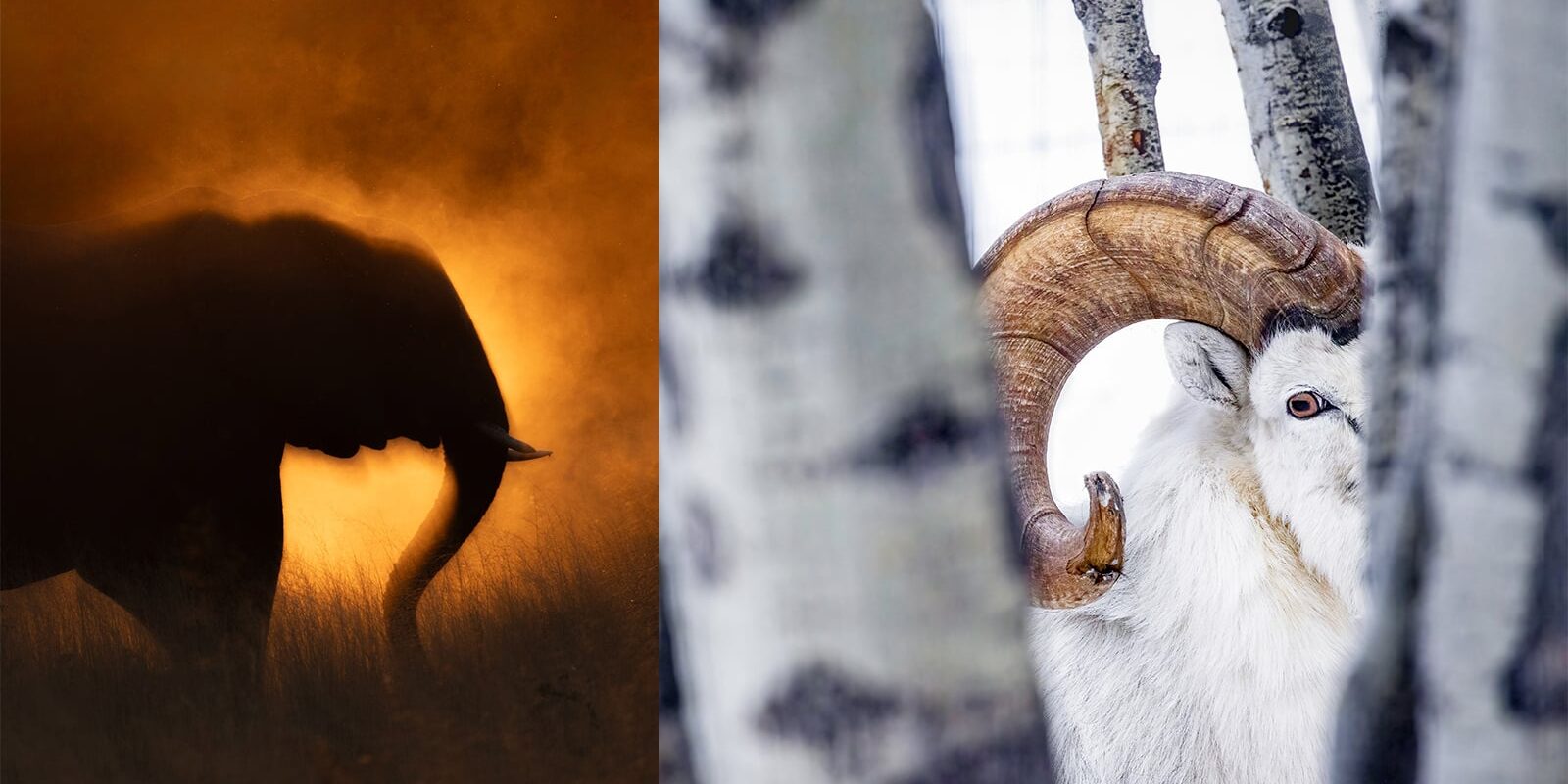
Recent studies in visual psychology are uncovering the unique power that stunning images of nature hold over our minds, suggesting that rather than providing clear answers, these images often prompt deeper questions about our existence and environment. As researchers delve into the interplay of aesthetics and cognition, they’re revealing a new layer of appreciation for photographs that pull us into the natural world.
What happened
In a world increasingly dominated by rapid and straightforward information, an intriguing shift has emerged in visual arts and photography. A growing body of research indicates that captivating nature images evoke a contemplative response, encouraging viewers to reflect on the mysteries of life instead of simply appreciating the visual beauty. Many graphic artists and photographers are embracing this phenomenon, intentionally framing their work to inspire inquiry rather than offering complete narratives. For instance, photographs capturing fog-draped forests or star-studded skies often remain ambiguous, presenting an image that ignites curiosity about the unseen ecosystems and celestial phenomena at play.
Why it matters
This trend is particularly relevant in our contemporary digital landscape, where quick consumption typically reigns supreme. Images that inspire mystery challenge the viewer to engage at a deeper cognitive level, allowing for a more profound connection to nature and the environment. This engagement could foster a sense of stewardship, as people who ponder the unknown aspects of nature might be more motivated to protect it. Many educators and conservationists are now advocating for the use of enigmatic visuals in outreach and educational programs, highlighting how such images can serve as powerful tools for raising environmental awareness and prompting conversations about ecological complexity and conservation efforts.
What comes next
As this fascination with mystery in nature imagery develops, it will be interesting to observe how artists and researchers continue to explore this relationship. Future exhibitions and digital platforms could harness this potential, inviting audiences not merely to observe but to interact and share their reflections. The art world may see an emerging genre that champions the unanswered questions inherent in nature, further intertwining visual art with human inquiry and environmental consciousness. In the coming months, look for more exhibits that showcase this concept, as well as potential collaborations between artists, scientists, and educators aimed at enriching our understanding of nature through visual storytelling. The ongoing dialogue between art and environmental perception will remain a focal point, promising to inspire a deeper appreciation and more active engagement with the narratives hidden in nature’s grandeur.
Original Source: https://petapixel.com/2026/09/28/the-magic-of-mystery-why-great-images-of-nature-ask-more-questions-than-they-answer/