
Immediate reaction
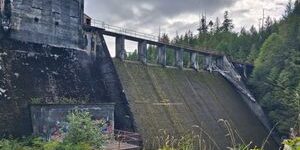
The recent announcement regarding the Connell Lake Dam in Ketchikan, Alaska, has stirred considerable unease among local residents and environmental advocates. Many are concerned about the implications of proposed changes to the dam’s management and operations, which were revealed in a public meeting last week. Various stakeholders, including local fishermen, conservationists, and tribal organizations, voiced their apprehensions, citing potential impacts on fish habitats and water quality.
Residents expressed worries that altering the dam’s flow could disrupt the delicate ecosystem that supports salmon runs, a vital resource for both the community’s way of life and the regional economy. The outcry reflects a broader sentiment that the voices of local communities must be prioritized in decisions that directly affect their environment and livelihoods.
What triggered the move
The impetus behind the proposed changes originates from ongoing assessments by the Alaska Department of Fish and Game, alongside federal agencies focused on environmental stewardship. As part of their regulatory review, officials indicate the need to manage water levels and flow rates more effectively to mitigate problems resulting from sediment buildup and aging infrastructure.
Technical evaluations suggest that optimizing the dam’s operations could enhance water management practices, potentially benefiting fish rearing habitats during critical spawning seasons. However, the challenge lies in balancing these scientific considerations with the community’s traditions and ecological concerns. The divergent goals have fueled the debate on how to best navigate the intricacies of resource management in a region rich in biodiversity yet reliant on the economic opportunities derived from these natural resources.
Why readers should care
The situation at Connell Lake Dam underlines a critical intersection of environmental policy, community values, and economic priorities. For Ketchikan residents and broader Alaskan communities, the dam is not just a piece of infrastructure; it symbolizes the essence of their interwoven relationship with nature. The outcomes of this discourse have the potential to influence future regulatory frameworks concerning water management across the state.
As stakeholders continue to navigate these uncertain waters, the likely short-term impact may involve escalating tensions between governmental authorities and local citizens advocating for sustainable practices. It will be crucial for state and federal agencies to engage with the community proactively to address concerns and incorporate local insights into decision-making processes. The discussions surrounding Connell Lake Dam may ultimately serve as a litmus test for how effectively Alaska balances its rich natural resources with the needs of its communities.
Original Source: https://www.atlasobscura.com/places/connell-lake-dam