
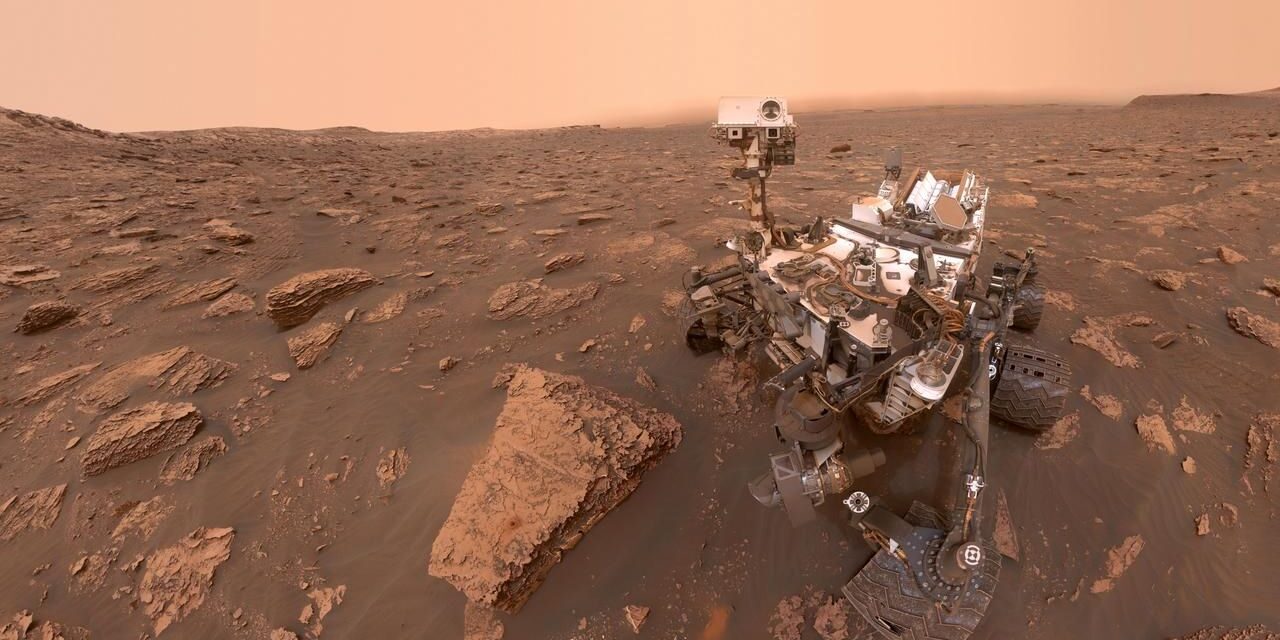
NASA’s Curiosity rover has been exploring the Martian surface for over 5,000 days, providing a wealth of images that have captivated scientists and the public alike. These stunning photos illustrate the complexity and beauty of Mars, influencing our understanding of the planet’s history and potential for life.
What happened
Since its landing in August 2012, Curiosity has traversed various terrains, capturing breathtaking photographs that serve multiple purposes. From panoramic landscapes to close-ups of intriguing geological features, each image contributes to a broader narrative of Mars’s environmental conditions and its capacity to support life.
Among the top ten photos taken by Curiosity, notable highlights include the breathtaking view of Mount Sharp—a 5.5-kilometer-high mountain at the center of Gale Crater. This photograph illustrates rock formations that have formed over billions of years, showcasing the planet’s complex geological history. Another iconic image is the “Selfie” taken by Curiosity, which shows the rover in a Martian landscape, emphasizing the exploration journey in a visually engaging manner.
The rover has also captured images of intriguing phenomena such as Martian dust devils and the stunning sunset over the Martian horizon, revealing the dynamic nature of the planet’s atmosphere. These visual records not only enhance public interest but also provide researchers with invaluable data on Martian weather and climate patterns.
What it means for readers
Curiosity’s photos serve a dual purpose: they engage the general public while providing critical scientific insights. For casual readers, these pictures ignite curiosity and inspire interest in space exploration and science education. They illustrate how humanity’s reach has extended beyond Earth, paving the way for future exploration missions.
Additionally, for educators and students, these images can be powerful teaching tools. They can be incorporated into lessons on geology, environmental science, and astronomy, helping to contextualize Earth’s place within the solar system. The visual data can also assist in developing critical thinking by prompting discussions about planetary exploration and extraterrestrial life.
What happens now
As Curiosity continues its mission, the rover will keep sending back images that deepen our understanding of Mars. Future missions are already in the planning stages, which anticipate the arrival of new rovers and landers. These upcoming missions aim to explore regions Curiosity has not yet reached, potentially identifying signs of past life and the planet’s resources.
Readers can stay connected to this exhilarating journey by following NASA’s updates and participating in citizen science projects that seek to analyze Martian data. The insights gained from Curiosity’s exploration will not only augment our understanding of Mars but may also prepare us for human exploration in the near future.
In summary, Curiosity’s images encapsulate the thrill of exploration and discovery. They offer viewers a glimpse into a world vastly different yet familiar, reminding us of the boundless possibilities that lie beyond our own planet.
Original Source: https://www.livescience.com/space/mars/alien-sunsets-stone-spiderwebs-and-mysterious-doors-curiositys-top-10-photos-after-5-000-days-on-mars