
Latest developments
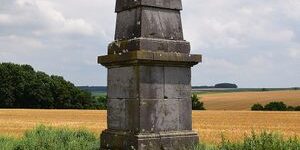
Recently, the Pyramide de Verlée has gained attention not only for its intriguing architectural style but also for its role in local cultural heritage discussions. Efforts are currently underway to elevate its profile among both residents and tourists. Local authorities have initiated preservation campaigns that emphasize the structure’s historical significance, coinciding with an uptick in interest from local historians and the wider community. Plans for guided tours and educational workshops aimed at children and adults alike are in the works, offering insights into the pyramid’s unique design and its symbolic meaning within the context of the region.
Background and context
The Pyramide de Verlée, an enigmatic structure located in Havelange, Belgium, is a lesser-known yet compelling feature of the Belgian landscape. Constructed in the early 19th century, this pyramid is part of a larger trend of neoclassical architecture that swept across Europe during that period. It was built as a mausoleum for the family of François Damas, a local aristocrat, and has intrigued both locals and visitors over the years with its unique design and rich history.
Though not as prominent as other historical landmarks, the pyramid has emerged as a point of interest for those eager to explore the lesser-trodden paths of Belgian heritage. Standing atop a hill, it provides stunning views of the surrounding countryside, which adds to its allure. The structure’s distinctive triangular shape and the intricate masonry work reflect the craftsmanship of the time. Furthermore, there are legends surrounding the site, including tales of hidden passages and secret meetings, which enhance its mystique.
Despite facing issues with neglect and exposure over the years, the Pyramide de Verlée has remained a subject of fascination. In recent decades, conservation efforts have been sporadic, but the renewed push for preservation marks a potentially transformative chapter in the pyramid’s history.
What to watch next
As the initiatives to revitalize interest in the Pyramide de Verlée unfold, community engagement will be crucial. Local groups are expected to hold public meetings to discuss the future of the site and gather feedback on proposed activities. Additionally, the involvement of schools in educational programs related to the pyramid may foster a sense of local pride and encourage younger generations to connect with their heritage.
Another factor to monitor will be the response from tourist agencies. If the Pyramide de Verlée becomes part of a broader marketing strategy for Havelange, it may attract visitors looking for unique cultural experiences outside the bustling cities of Belgium. Stories and folklore tied to the pyramid may also surface through collaborative efforts between historians and local artists, further enhancing its cultural significance.
As Havelange embraces the Pyramide de Verlée, it reflects a broader trend of valuing and preserving local heritage amid the rapid pace of modernization. The coming months will be pivotal in determining the pyramid’s place in the region’s cultural narrative and its potential as a tourist destination.
Original Source: https://www.atlasobscura.com/places/pyramide-de-verlee