
What happened
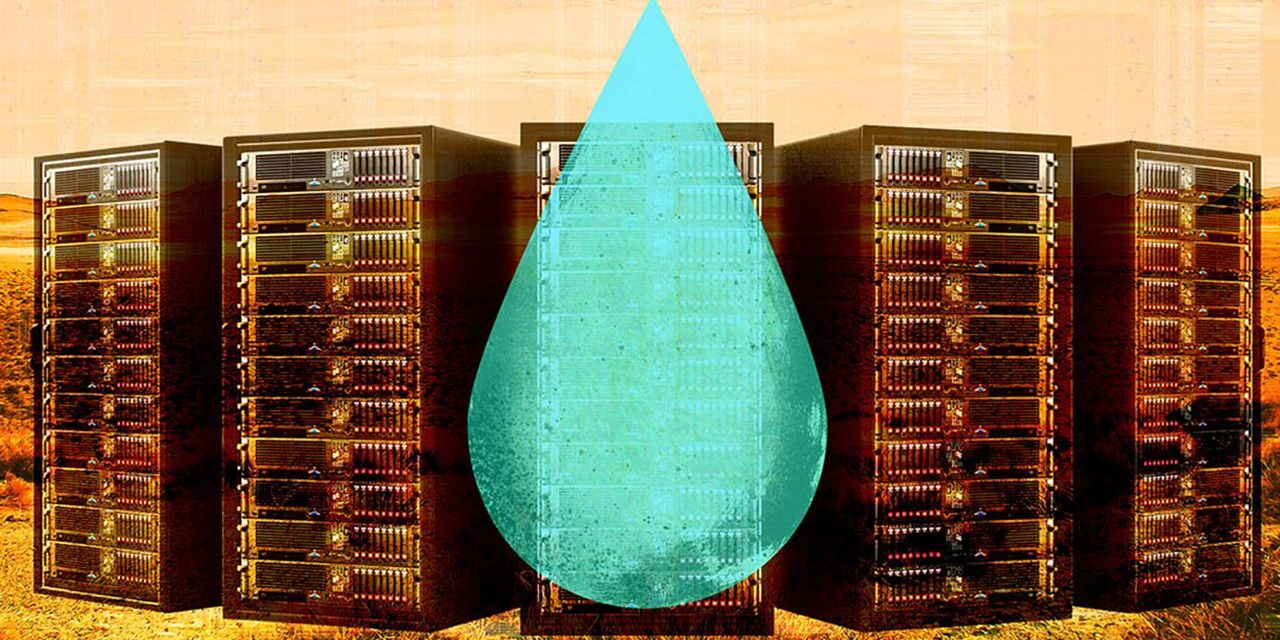
As AI technology gains traction—impacting sectors ranging from healthcare to finance—the environmental implications of its growth are becoming increasingly apparent. One of the lesser-discussed aspects is the significant water use associated with AI’s computational needs, particularly in data centers. Reports indicate that these facilities, which house the servers that power AI applications, can consume millions of gallons of water annually for cooling systems. For instance, according to a study from the University of California, data centers could potentially consume more water than some small cities.
The link between water use and electricity generation further complicates the matter. In many regions, the energy that fuels data centers is produced using water-intensive methods, particularly fossil fuels and nuclear power. This not only affects local water resources but also raises concerns about the sustainability of the electricity grid as AI usage skyrockets.
What it means for readers
The environmental implications of AI’s water consumption may not seem immediate or relevant to everyone, but they hold significant consequences for both rural and urban communities. As regions strive to balance water resources and energy production, increases in water usage by data centers could lead to water shortages, affecting drinking supplies and agricultural needs.
Moreover, the reliance on traditional electricity sources exacerbates the problem, as these methods are not only water-intensive but also add to carbon emissions—directly countering efforts to combat climate change. Thus, the efficiency and sustainability of how we power AI technologies is a pressing concern that stakeholders, including everyday consumers, need to consider.
What happens now
Shifting from traditional fossil fuel power to renewable energy sources such as solar and wind presents a promising solution to mitigate AI’s water usage. Renewable energy methods often require little to no water during operation, which could help alleviate some of the pressure on local water sources. Data centers powered by solar or wind energy could dramatically lower their water footprint while also reducing carbon emissions.
This transition isn’t solely the responsibility of tech companies; consumers can play a role as well. Supporting renewable energy initiatives and advocating for sustainable practices within the tech industry can help create a demand for cleaner energy solutions. Policymakers also have a vital role in shaping incentives for a quicker transition to renewables, making them more accessible and mainstream.
Ultimately, addressing AI’s water use is crucial as technology continues to evolve and expand. While the challenge is significant, the solutions lie within our reach, and collective efforts toward renewable energy adoption can create a more sustainable future. Understanding and acting on these issues is a practical takeaway for readers who care about the health of our planet and society at large.