
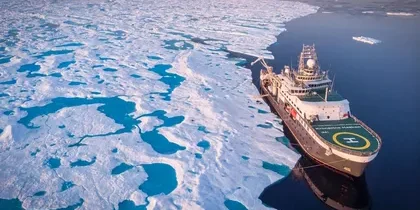
Recent research indicates that the Arctic Ocean may have crossed a pivotal tipping point, a development that could have dire implications for marine food webs and exacerbate climate change. According to a study published in a leading environmental journal, scientists observed a rapid decline in sea ice coverage and a corresponding rise in ocean temperatures, totaling increases that surpass historical records. This alarming trend points not only to a transformed Arctic ecosystem but also signals potential destabilization of global climate patterns.
What happened
The observed changes in the Arctic were documented through a combination of satellite data and predictive climate modeling. Over the last few years, the extent of sea ice during summer months has dwindled, resulting in increased sunlight absorption by the ocean surface, which in turn raises water temperatures. Researchers found that the Arctic is warming at more than twice the global average rate, an alarming statistic that reflects the severity of the ongoing climate crisis.
As the ice diminishes, the habitat for vital marine species such as plankton and fish is severely affected. Smaller fish, which serve as a primary food source for marine mammals like seals and polar bears, are particularly at risk. Such shifts not only threaten biodiversity but also disturb the intricate balance of marine ecosystems, where even slight changes can cascade into broader impacts.
Why it matters
The implications of these changes extend far beyond the Arctic region. A disrupted food web can lead to a significant decline in fish populations, which are integral to both the local economies of Indigenous peoples and the global fishing industry. More critically, the loss of sea ice contributes to rising sea levels and alters oceanic circulation patterns, further fueling climate change.
Moreover, thawing Arctic ice releases trapped methane, a greenhouse gas far more potent than carbon dioxide. This process could create a feedback loop that exacerbates warming, making it increasingly difficult to predict future climate trajectories. As marine biodiversity declines, scientists warn that the health of ocean systems worldwide hangs in the balance.
What comes next
Looking ahead, immediate actions and further research are essential to mitigate the unfolding crisis. Scientists urge policymakers to prioritize the prevention of additional climate change exacerbation while investing in studies to better understand these shifting dynamics. Monitoring programs that track temperature and ice changes in real-time will be pivotal for early intervention.
As governments around the world convene to address climate action, the situation in the Arctic will be a focal point of discussion. The hope is that increased awareness of this tipping point can galvanize global efforts to reduce carbon emissions and protect vulnerable marine life.
In the coming months, stakeholders in various sectors, including environmental organizations and fishing communities, will be closely watching for new developments. Continued research and a concerted global initiative could help avert further destabilization of both the Arctic ecosystem and the global climate.