
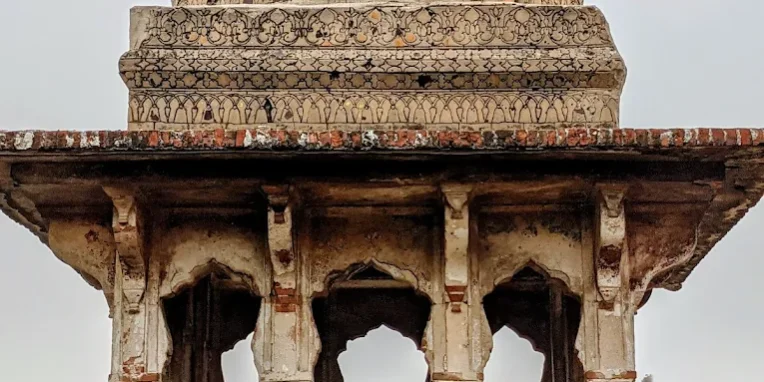
The preservation of the Tomb of Dai Anga in Lahore has taken a significant leap forward with the allocation of new restoration funds announced by the Punjab Archaeology Department. This development is part of a broader initiative aimed at conserving historically significant sites across the province, highlighting the importance of cultural heritage in Pakistan’s urban landscape.
What happened
The Tomb of Dai Anga, an early Mughal-era mausoleum located in Lahore, has long been in a state of disrepair. The recent announcement includes a budgetary allocation to initiate comprehensive restoration work, which is expected to address both structural integrity and aesthetic aspects of the site. This tomb, built in the 17th century for the wet nurse of Emperor Shah Jahan, is not only a burial site but also a reflection of the architecture and cultural practices of its time.
The restoration project will focus on cleaning the intricate frescoes, stabilizing the structure, and enhancing the surrounding landscape to create an environment that is both respectful of the site’s historical significance and accessible to visitors. A timeline for the project has not yet been specified, as initial phases involve detailed surveys and planning.
Why it matters
The Tomb of Dai Anga holds considerable historical value, representing a rich narrative from the Mughal era when art and architecture flourished in the Indian subcontinent. Such sites are crucial for understanding the socio-political context of the time and for appreciating the artistic expressions that have shaped Pakistani culture.
Moreover, the restoration initiative signals a growing recognition of the need to preserve national heritage amidst rapid urban development. Many historical structures in Lahore and throughout Pakistan face neglect due to modernization and urbanization pressures, making this proactive approach essential for maintaining a tangible connection to the past.
In addition, tourism plays a pivotal role in the local economy. By enhancing attractions like the Tomb of Dai Anga, authorities aim to bolster cultural tourism, which can generate revenue and contribute to the community’s well-being. This resonates with the broader agenda of promoting sustainable tourism that respects and protects historical landmarks.
What comes next
The immediate outlook for the Tomb of Dai Anga is promising as preparations for restoration are underway. Stakeholders, including local historians and cultural enthusiasts, are expected to play an active role in the planning process, ensuring that the restoration work aligns with historical accuracy and conservation principles. Additionally, the success of this project may set a precedent for future initiatives aimed at preserving other endangered sites in Pakistan.
As further details emerge, attention will be on community engagement in the restoration process and the potential for educational programs that can accompany the restored site. This may serve to enrich public understanding of Mughal culture, drawing not only tourists but also scholars and students interested in the rich heritage of Lahore and the broader South Asian region.
Original Source: https://www.atlasobscura.com/places/tomb-of-dai-anga