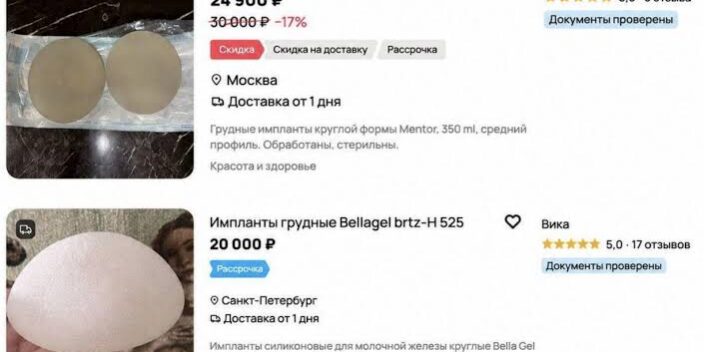
A striking trend has emerged in Russia where an increasing number of women are taking to online marketplaces to sell their used breast implants. This practice, once considered taboo, is gaining traction as digital platforms provide anonymity and a growing acceptance of the practice among potential buyers and sellers alike.
What happened
The phenomenon first surfaced in Russian social media groups and marketplaces, where women who have undergone breast augmentation procedures began listing their used implants for sale. Many are motivated by the financial benefits, as the resale of these implants can yield significant sums, sometimes reaching several hundred dollars. Some sellers have opted to remove their implants due to personal choice, health concerns, or a shift in aesthetic preferences, and instead of discarding the implants, they have turned them into potential sources of income.
In recent weeks, this trend has garnered media attention both locally and internationally, with various news outlets covering the prevalence of such transactions. According to reports, dedicated forums and Facebook groups have emerged where women exchange stories, advice, and advice on how to navigate the process of selling and buying implants.
Why it matters
This growing trend highlights a significant shift in attitudes towards body image and consumer culture in modern Russia. Traditionally, discussions about cosmetic procedures have been steeped in stigma. However, as women increasingly embrace bodily autonomy and challenge societal norms, the acceptance of resale markets for items like breast implants signifies a broader cultural transition.
Moreover, from an environmental perspective, the sale of used implants raises questions about sustainability and waste in the cosmetic surgery industry. By extending the lifecycle of medical devices, these women contribute to a dialogue on recycling and reusing, which resonates with the growing global emphasis on sustainable practices.
On a local level, this trend may also reflect economic realities. Many women are finding themselves in financially challenging situations, and selling unwanted items—implants included—becomes a pragmatic solution to alleviate financial burdens. Furthermore, this marketplace offers an alternative for women who may be considering augmentation but are deterred by the cost of new implants.
What comes next
As this trend continues to grow, regulatory authorities in Russia may feel compelled to step in. Concerns over safety and hygiene could lead to stricter oversight of such transactions, particularly as medical devices like breast implants come with health risks if not handled correctly. The conversation around the legality and ethics of selling used medical implants is likely to gain momentum, prompting both buyers and sellers to navigate a complex landscape.
In the interim, the immediate outlook suggests that the resale market for used breast implants may expand further, especially as digital platforms adapt to accommodate the trend. The intersection of consumerism, body image, and economic necessity will remain a focal point, potentially inciting wider discussions on cosmetic surgery practices within Russian society and beyond. Observers will be watching closely for any regulatory responses or new developments in this burgeoning marketplace.