What happened
This summer, a team of archaeologists in Scotland uncovered remarkable evidence of ancient burial practices that date back roughly 2,000 years. Excavations at a site in the Scottish Borders revealed a unique method of body preparation involving the removal of the brain and the crafting of tools from the deceased’s arm bones. This discovery offers new insights into the customs and beliefs of early Scottish communities.
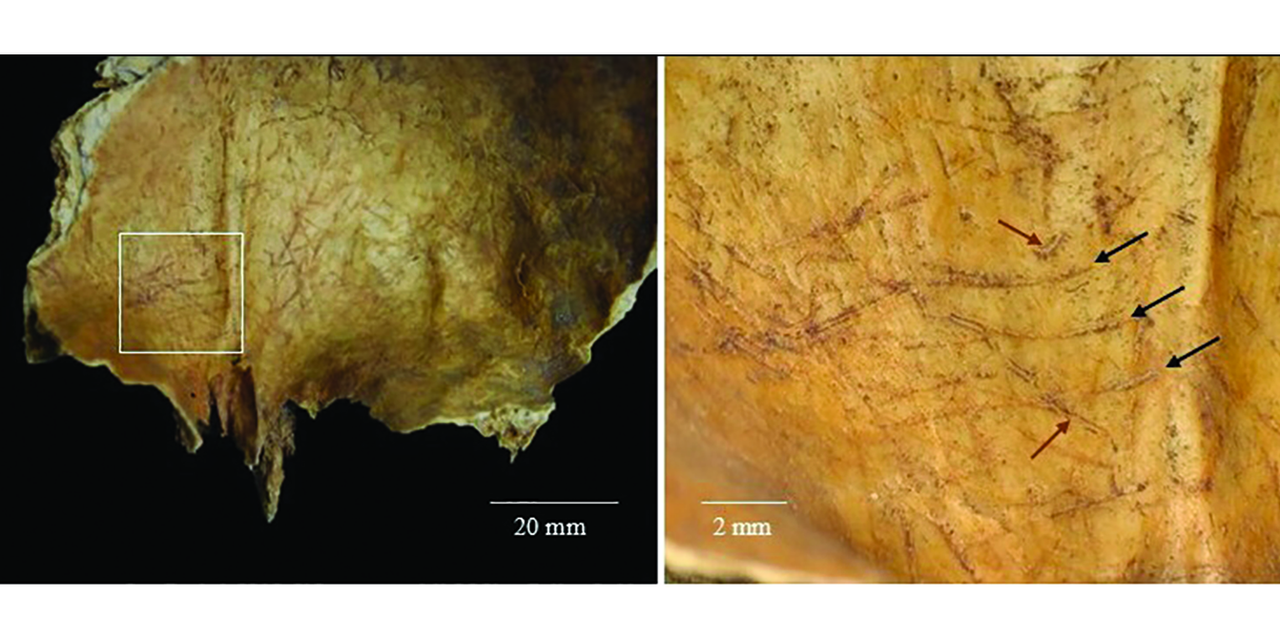
The remains, part of a burial mound thought to belong to a member of the Iron Age community, challenged long-held assumptions about prehistoric funerary traditions in northern Europe. Investigators reported that the brain had been deliberately excised, a practice not commonly associated with the mortuary customs of the time. Following this, the humerus and radius bones were fashioned into a range of tools, suggesting that the deceased may have held a significant status within their community.
What it means for readers
This discovery reshapes our understanding of social structures and beliefs in Iron Age Scotland. The process of removing the brain could indicate various cultural beliefs, potentially relating to views on the afterlife or the innate connection between the body and the tools used by an individual. The creation of tools from human remains hints at complex rituals that demonstrate a respect for the dead and their perceived utility beyond life.
Furthermore, these findings suggest that the Iron Age Scottish people possessed advanced craft skills and a deep understanding of materials, which they adapted for both practical and ritualistic purposes. The implications extend beyond Scotland, offering a glimpse into the interconnectedness of burial practices among prehistoric communities across Europe. It prompts a reevaluation of how we think about mortality and memory, particularly in societies where survival relied on resourcefulness.
What happens now
The ongoing analysis of these remains has the potential to unveil further details about the lives and beliefs of Iron Age populations. Scientists are currently using advanced techniques, including radiocarbon dating and isotopic analysis, to gain a clearer picture of diet, health, and environmental adaptations of these communities.
As more artifacts are examined, archaeologists anticipate drawing connections between burial customs and settlement patterns, expanding our understanding of the social and cultural dynamics at play in ancient Scotland. The knowledge gained from these findings may inspire future excavations and studies that further illuminate this enigmatic period in human history.
For readers, the takeaway from this archaeological discovery is significant: it reveals how modern interpretations of the past can shift dramatically based on new evidence. By looking anew at ancient practices, we deepen our understanding of cultural identity, human relationships, and the diverse methods used to commemorate the dead throughout history.
Original Source: https://www.livescience.com/archaeology/2-000-years-ago-in-scotland-people-removed-a-corpses-brain-and-fashioned-the-arm-bones-into-tools