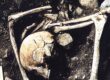

A recent exhibition at the Museum of Natural History highlights a unique intersection of art and science, featuring intricate embroidery that incorporates fossilized materials. This groundbreaking approach seeks to convey the narrative of nature’s history while challenging traditional forms of artistic expression.
Background and context
The concept of embedding fossils within textiles is not entirely new. For centuries, artisans have sought inspiration from the natural world, using materials like shells, plants, and minerals in their work. However, the use of actual fossils in embroidery is a creative approach that marries paleontology with contemporary art. This practice provides a tangible connection to the Earth’s geological past, allowing viewers to appreciate both the aesthetic and scientific significance of these ancient life forms.
Historically, artists have employed materials that carry environmental significance, including recycled items and organic substances, as a means of storytelling. The combination of fossilized remains—bones, shells, and plant impressions—with the delicate craft of embroidery represents a fusion of disciplines that invites the audience to reflect on the planet’s ecological history. This artistic endeavor not only celebrates nature’s beauty but also serves as a poignant reminder of the fragility of ecosystems.
Latest developments
The current exhibition, titled “Stitches in Time,” showcases works by several artists renowned for their innovative techniques, pushing the boundaries of embroidery beyond mere ornamentation. Displayed pieces feature detailed representations of prehistoric creatures interwoven with vibrant threads, creating striking images that provoke thought regarding extinction and the passage of time. The artists have painstakingly sourced fossils and combined them with colorful threads, all while maintaining the integrity of the organic materials.
As the exhibition tours major cities, it has spurred discussions about sustainability in art, with viewers reflecting on how contemporary artists can use historical materials responsibly. Workshops are also being held in conjunction with the exhibition, teaching attendees how to create their own fabric art inspired by fossils, furthering the connection between art and ecology.
What to watch next
Looking ahead, the crossover between fossil science and textile arts may inspire more exhibitions and collaborative projects, potentially leading to a broader movement that integrates ecology into creative practices. Such initiatives could pave the way for environmentally conscious art that not only beautifies but also educates viewers about their responsibility toward nature. Further developments could include academic discussions or papers exploring the implications of this artistic trend on both art conservation and environmental awareness.
As artists continue to explore this fascinating intersection, society faces an opportunity to engage in meaningful dialogue about heritage, sustainability, and creativity. The blend of the ancient with the contemporary, woven together with a delicate thread of purpose, invites audiences to look at the future of art in the context of our shared ecological past.
Original Source: https://www.fubiz.net/en/2023/01/09/fossils-woven-on-a-bed-of-embroidery-2/