
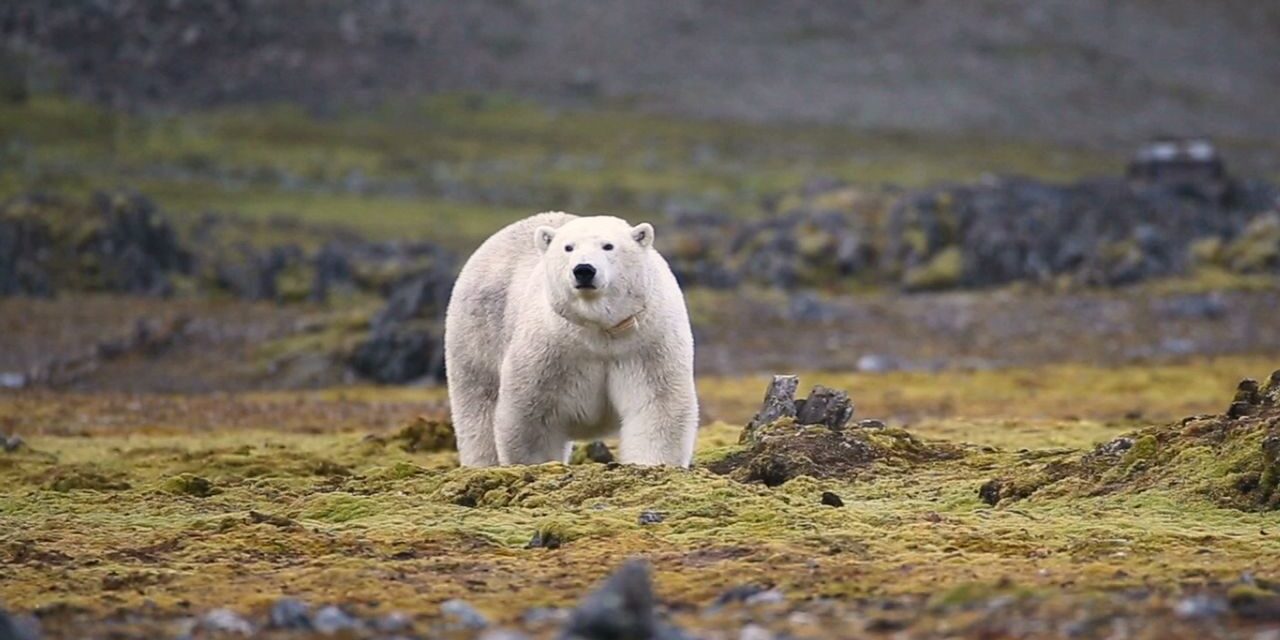
As climate change continues to reshape the Arctic landscape, some polar bears are showing remarkable adaptability to their quickly melting habitats. While this resilience may offer a glimmer of hope for the iconic species, questions remain about whether these changes can secure their long-term survival.
Background and context
Polar bears (Ursus maritimus) are considered a vulnerable species due primarily to their dependence on sea ice for hunting seals, their primary food source. The Arctic has been undergoing dramatic transformations due to climate change, with sea ice extent shrinking significantly over the past few decades. These changes have led to longer fasting periods for polar bears, decreased access to food, and increased competition for resources.
Traditionally, these apex predators rely on stable sea ice platforms to catch seals. However, as summer temperatures rise, the melting of ice is shortening hunting seasons and forcing bears to swim longer distances. According to reports from the National Snow and Ice Data Center, the Arctic sea ice extent reached record lows in 2021 and has only slightly rebounded since then, emphasizing the challenges that polar bears face.
Latest developments
Recent studies indicate that some polar bear populations in areas like the Beaufort Sea are beginning to adapt their hunting strategies. Researchers have observed a shift towards opportunistic foraging behavior, where bears are scavenging for other food sources, such as bird eggs and carcasses. This flexibility in diet suggests a potential resilience to the changing Arctic environment.
Moreover, a multi-year study in Svalbard, Norway, has provided further insights into these adaptive behaviors. Scientists have found that some bears are altering their movement patterns to maximize their foraging success. These adaptations, while promising, still come with significant risks. For instance, foraging on land exposes polar bears to new dangers, such as increased encounters with humans and road traffic.
Despite these adaptations, the overarching threat remains the loss of their natural habitat. A recent report from the Intergovernmental Panel on Climate Change (IPCC) warns that if current warming trends continue, the summer sea ice in the Arctic could disappear entirely by mid-century, presenting a dire outlook for polar bears and the ecosystem they inhabit.
What to watch next
As polar bears navigate the challenges posed by their changing environment, ongoing research will play a crucial role in understanding their adaptability. Scientists are tracking these changes to assess whether the observed behavioral shifts can sustain populations in the long term. Additionally, conservation strategies focusing on habitat protection and reduction of greenhouse gas emissions will be essential in mitigating the impacts of climate change on polar bears.
Efforts such as the Arctic National Wildlife Refuge’s management plans and initiatives to create marine protected areas are steps toward preserving essential habitats. The effectiveness of these measures will ultimately shape the future for polar bears as they face the ongoing uncertainties of a warming world. As we observe these developments, the question remains: Will the adaptability of some bears be sufficient to ensure the survival of the species as a whole?