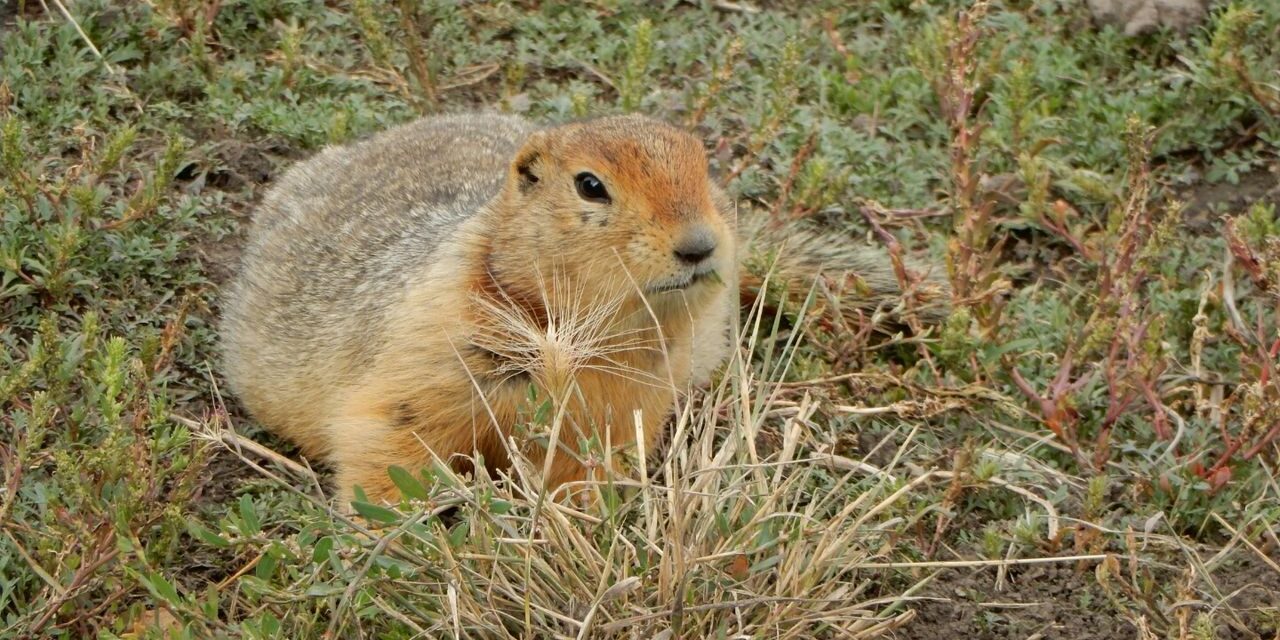
Recent findings from the Arctic permafrost have uncovered a remarkable trove of ancient DNA preserved within squirrel droppings, offering insights into the ecosystems that existed thousands of years ago. This groundbreaking discovery includes genetic material from long-extinct species such as mammoths, bison, horses, and big cats, showcasing the vital role that small mammals have played in the preservation of ecological history.
What happened
Researchers from the University of Alberta, Canada, made the significant discovery while analyzing coprolites—fossilized droppings—found in the permafrost of the Siberian region. These droppings, which date back approximately 50,000 years, were examined using advanced DNA sequencing techniques. The results revealed not only a diverse array of plant life consumed by the squirrels but also genetic material from various large mammals that roamed the landscape during the late Pleistocene epoch.
This unprecedented find highlights the squirrels’ unique feeding habits and environmental interactions, confirming their roles as both consumers and environmental stewards within these ancient ecosystems. The research underscores the potential for coprolite analysis in contributing to our understanding of past biodiversity and survival strategies in changing climates.
Why it matters
The significance of this discovery extends beyond the mere novelty of ancient DNA; it raises important questions about climate change, extinction, and biodiversity. As the world grapples with ongoing environmental changes, understanding past ecosystems can provide crucial insights into how species adapt—or fail to adapt—to shifts in their habitats.
The findings may assist scientists in tracking evolutionary patterns and ecological relationships among species that lived tens of thousands of years ago, offering clues about which traits contributed to their survival. This knowledge is essential as we face contemporary biodiversity loss driven by human activity, habitat destruction, and climate shifts.
What comes next
Looking ahead, researchers plan to conduct further studies on additional coprolites and sediments from various Arctic sites to build a more comprehensive picture of ancient ecosystems. By comparing DNA from these droppings with modern genetic data, scientists hope to shed light on how species responded to historical climate fluctuations.
Moreover, this research may pave the way for conservation efforts aimed at protecting existing wildlife through a deeper understanding of their historical cousins and the conditions that foster biodiversity. As this field of molecular paleontology evolves, the continual examination of preserved biological materials promises to unveil more secrets from the distant past, ultimately allowing us to better understand our present and shape our future environments.
Original Source: https://www.livescience.com/animals/ancient-squirrel-poop-from-arctic-permafrost-contains-dna-from-mammoths-bison-horses-and-big-cats