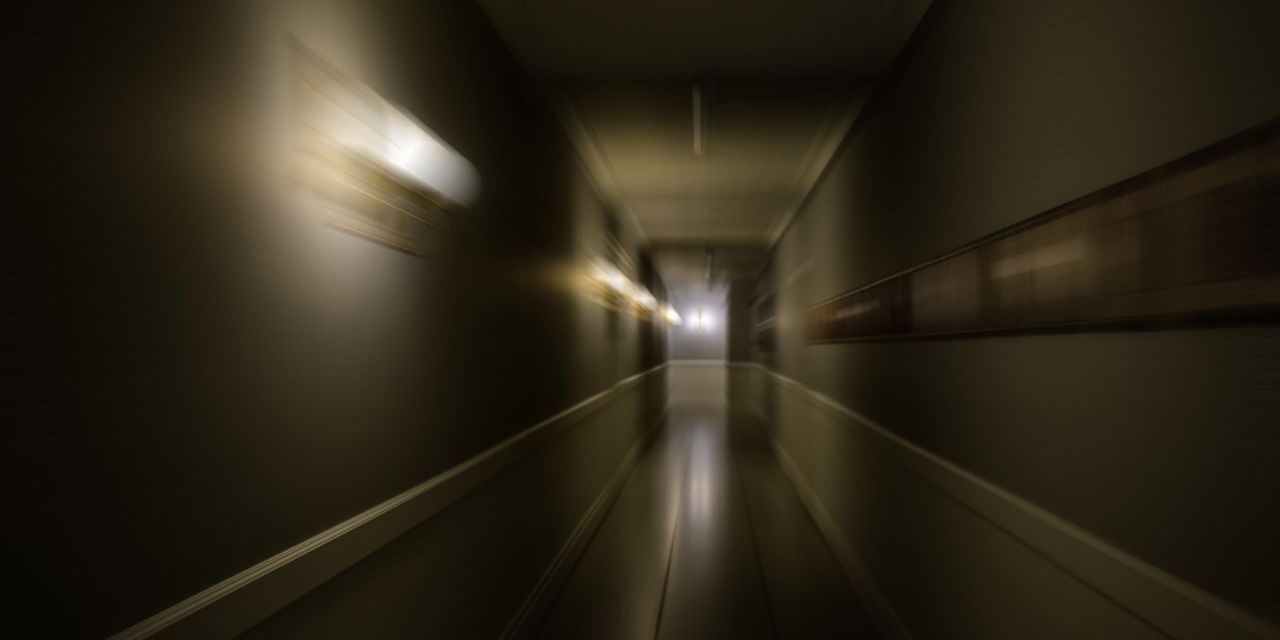
The exploration of paranormal experiences has gained new traction, especially following recent studies that suggest certain individuals may be neurologically predisposed to perceiving ghostly phenomena. According to Dr. Elaine Foster, a clinical psychologist specializing in cognitive behavior, these experiences may not merely stem from folklore or imagination but are rooted in our brain’s wiring and psychological makeup.
What happened
In a recent interview, Dr. Foster discussed findings from her latest research, which show that people who report encountering ghosts often have specific psychological traits. The study evaluated participants from diverse backgrounds, splitting them into groups based on their belief in the supernatural. The results indicated higher instances of sensory processing sensitivity and emotional responsiveness among those claiming paranormal experiences.
These characteristics, which can intensify environmental stimuli, might lead individuals to perceive subtle cues that others might miss. For instance, fleeting shadows, changes in temperature, or even sounds can instigate strong feelings of presence or recognition. Dr. Foster elaborated that while many dismiss these experiences as mere superstition, her findings underscore a nuanced interplay between our mental state and our interpretation of ambiguous stimuli.
Why it matters
The implications of these findings extend beyond understanding ghost sightings. They probe into the broader context of human perception and cognition. The popular fascination with the paranormal often overlooks the psychological dimensions of belief. This new research invites a critical examination of how mental health, personality traits, and even cultural background shape our experiences of the world around us.
Moreover, exploring why some individuals report ghost sightings more frequently than others could enhance therapeutic approaches in psychology. If certain emotional and cognitive frameworks predispose people to such experiences, mental health professionals can develop strategies to address irrational fears and anxieties surrounding these phenomena. Dr. Foster argues that acknowledging the significance of these experiences is essential in destigmatizing mental health discussions, allowing those who feel isolated by their strange encounters to seek help.
What comes next
The ongoing study will include longitudinal analyses of participants, tracking their experiences over time. Researchers are eager to observe whether enhanced sensory perception continues to correlate with reported paranormal encounters, or if a psychological shift over years alters these experiences. Dr. Foster advocates for interdisciplinary collaboration, encouraging psychologists, neuroscientists, and cultural researchers to unite in exploring the rich tapestry of human experiences.
As the field of the paranormal adapts to scientific scrutiny, the next expected developments will likely focus on the blend of ancient beliefs and modern psychology, paving the way for more comprehensive understanding. Enthusiasts and skeptics alike will watch closely as further research potentially uncovers more about the neural pathways that inform our encounters with the unexplained. Whether these studies will confirm, challenge, or deepen existing beliefs about ghosts remains to be seen, but one certainty is that the dialogue surrounding such experiences is far from over.