
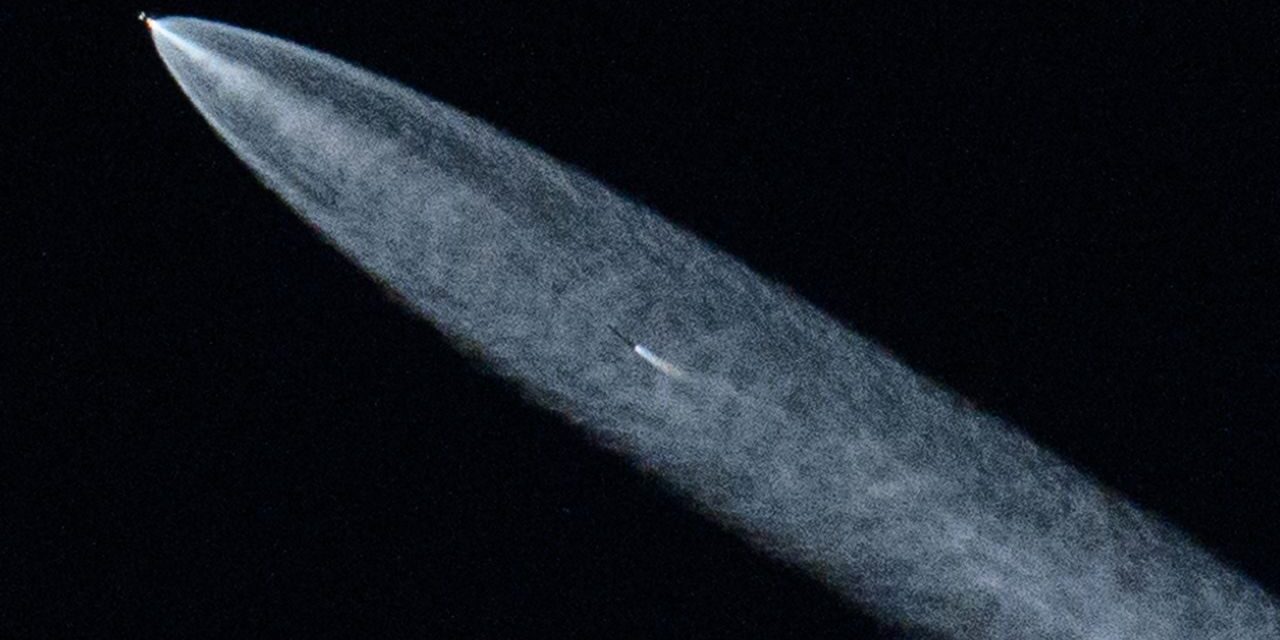
A recent report has suggested that a spent SpaceX rocket stage, originally launched in 2021, could collide with the Moon’s Einstein crater this summer. This prediction has garnered substantial attention from the public and space industry experts alike, raising questions about the implications of human-made debris in space and its potential effects on celestial bodies.
Immediate reaction
Since the news broke, discussions have erupted across social media platforms and traditional news outlets. Many space enthusiasts are captivated by the idea of a rocket crashing into the Moon, sparking a wave of memes and speculation about the event’s technical aspects. However, industry professionals are expressing concern regarding the long-term impacts of space debris on lunar exploration and celestial environments.
NASA and other space agencies have weighed in on the situation, emphasizing the importance of sustainable practices in space operations. The thought of an uncontrollable object crashing onto the Moon has led to calls for stricter regulations governing the decommissioning of space hardware. Experts argue that as more private companies enter the space race, the risk of such occurrences could increase, thereby necessitating a comprehensive framework for managing space traffic.
What triggered the move
The specific rocket involved, the Falcon 9, performed a launch for the National Oceanic and Atmospheric Administration in 2021. Following the mission, the second stage of the rocket was meant to re-enter Earth’s atmosphere and burn up. However, that plan faltered due to various orbital mechanics factors, leading the stage to drift into a trajectory that could see it strike the Moon.
Such situations are not entirely unprecedented. An earlier prediction by NASA indicated that an abandoned Chinese rocket also crashed into the Moon in 2022. These events highlight the growing challenge of managing space debris, particularly as the number of launches from both private and governmental organizations steadily increases, making unsustainable space practices a pressing concern.
Why readers should care
This looming event could serve as a wake-up call for policymakers and agencies concerned with the future of space exploration. The impending impact of the Falcon 9 rocket brings to the forefront the pressing issue of space debris and its ramifications. As the number of satellite launches continues to grow, the risk of collisions, non-functioning satellites, and rocket debris becoming crash hazards in orbit presents a significant threat to both current and future missions.
For casual observers, the thought of a rocket tumbling toward the Moon is an exciting spectacle, offering a sensational narrative that blends exploration with unpredictability. However, for the scientific community, the incident underscores the critical need for implementing sustainable practices in space. As humanity ventures further into the cosmos, ensuring responsible use of space will be vital to preserving celestial bodies, not just for research but for potential future settlements.
In the short term, the likelihood of the Falcon 9 landing on the Moon’s surface will no doubt contribute to a renewed dialogue about space debris management. The increasing frequency of such occurrences could initiate discussions on developing international regulations aimed at promoting safe and sustainable exploration practices.
Original Source: https://www.livescience.com/space/space-exploration/used-spacex-rocket-could-crash-into-the-moons-einstein-crater-this-summer-report-predicts