
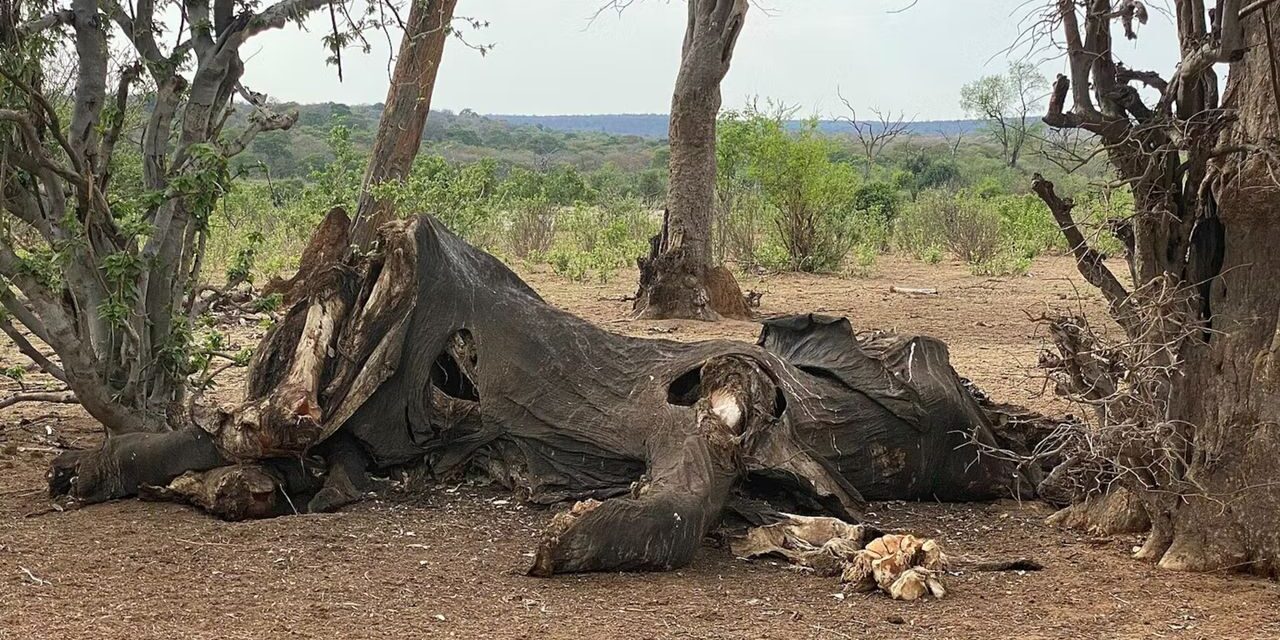
Recent research suggests that our human ancestors, dating back 1.8 million years, not only hunted but also butchered and consumed elephants. This behavior may have played a critical role in shaping the evolution of our large brains.
What happened
Archaeological findings in Africa indicate that early hominins engaged in complex scavenging and hunting practices. Evidence points to the use of tools for butchering large animals, specifically elephants. These findings include cut marks on elephant bones and the presence of stone tools. The practice of consuming such heavy-duty prey required advanced cognitive functions, social cooperation, and a keen understanding of the environment.
This activity had significant implications for nutrition. Elephants provided a substantial food source, rich in fats and proteins, which are essential for brain development. The caloric intake derived from this dietary shift is thought to have supported the growth and expansion of brain size in early humans, offering a probable link between hunting behavior and cognitive evolution.
What it means for readers
The ramifications of this research extend beyond historical curiosity; they challenge our understanding of human evolution. This study indicates that the shift from plant-based diets to meat consumption may have been pivotal in the development of modern human cognitive traits. The act of hunting and butchering large game reflects not only physical evolution but also a leap in social structures, communication, and tool-making abilities.
For current readers, this information sheds light on the complex interplay between diet and human development. It suggests that nutrition has always played a crucial role in shaping human society, with possible parallels to modern discussions about nutrition’s impact on brain health and cognitive abilities.
What happens now
As research continues, further excavations and studies are expected to provide more insights into the lifestyles of early hominins. Future investigations may unearth more evidence linking diet to cognitive evolution, possibly identifying other species that played similar roles in the diets of our ancestors.
Moreover, understanding these ancient practices could influence contemporary discussions on the significance of diet in human health. As modern society grapples with nutrition-related issues, the lessons from our ancestors can inspire innovative approaches to diet and lifestyle that prioritize brain health.
In conclusion, the revelation that early humans butchered and consumed elephants reshapes our understanding of human evolution, emphasizing the critical role of diet in the development of cognition. This knowledge encourages ongoing exploration of our relationship with food and its lasting implications on health and society today.