
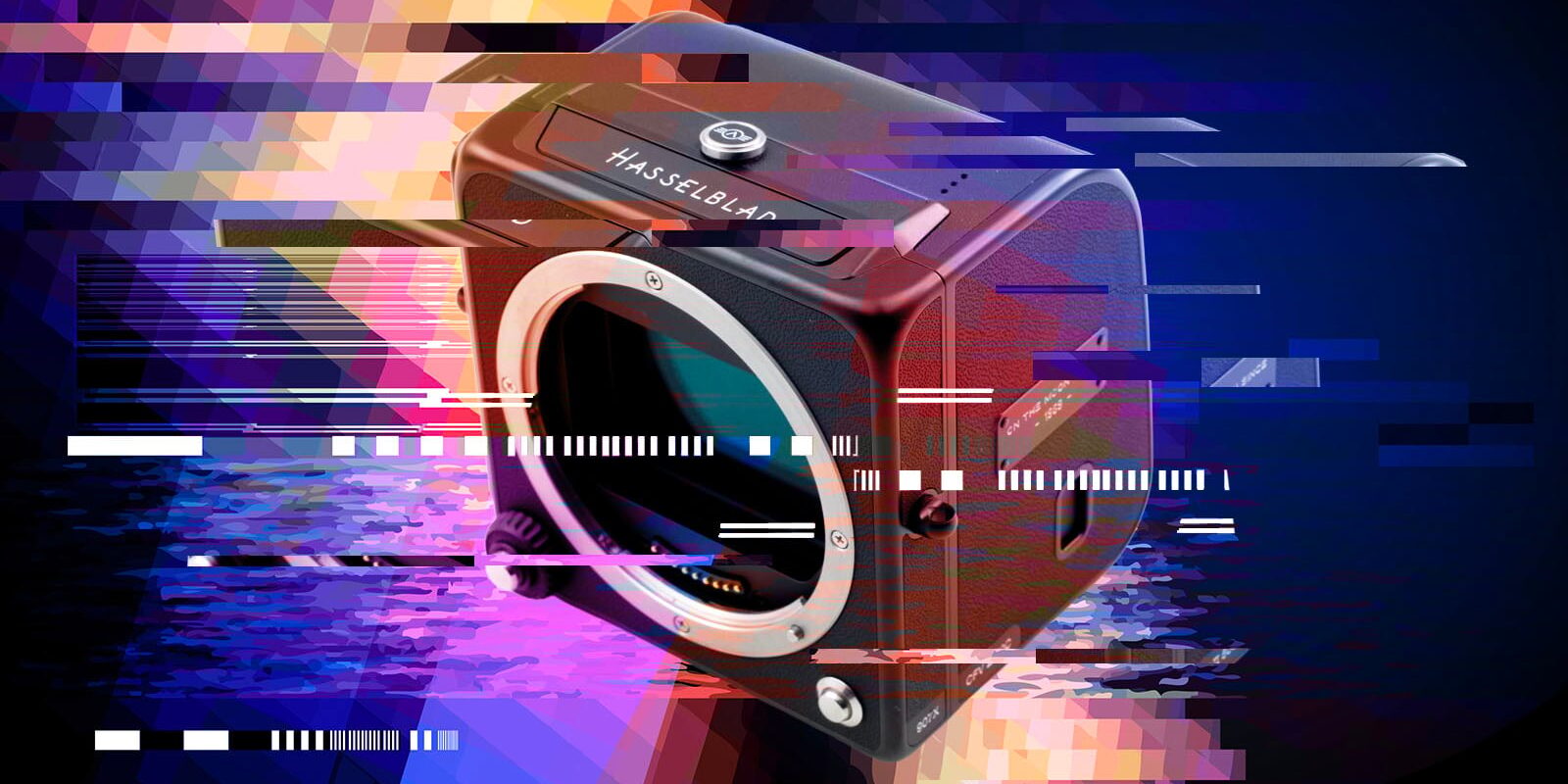
In a curious experiment, I recently purchased a camera on eBay, fully aware that the listing was likely a scam. While this decision might seem reckless at first glance, it raises important questions about online marketplaces, consumer behavior, and the ethics of such transactions.
Key details
The camera in question was advertised at an unusually low price, significantly below market value. This price point immediately raised red flags, suggesting a potential fraud. The seller’s profile featured minimal feedback, and the listing itself contained several grammatical errors and vague descriptions. Despite these warning signs, I decided to proceed with the purchase, motivated by a desire to explore the darker corners of e-commerce and to see how such scams operate.
Upon completion of the transaction, I awaited the camera’s arrival, intrigued by the possibility of either receiving a bargain or becoming another victim of online fraud. Fortunately, eBay offers buyer protection, which added a layer of reassurance. If the camera arrived in poor condition—or worse, not at all—I could seek a refund.
Why this matters
The rise of online shopping platforms has undeniably transformed consumer behavior, democratizing access to goods while also opening the floodgates to fraud. In 2021 alone, the Federal Trade Commission reported that consumers lost over $5.8 billion to scams, with online purchase scams being a significant contributor. This trend challenges buyers to stay vigilant and informs them about the potential risks when shopping online.
My eBay purchase underscores the balancing act consumers face between finding good deals and protecting themselves from fraudulent listings. The implications are particularly critical for less experienced shoppers who may not recognize the warning signs. As technology improves, fraudsters become increasingly sophisticated, deploying tactics that can easily deceive even well-informed buyers.
Broader picture
This experiment serves as a microcosm of a broader societal issue. With the increasing shift towards digital commerce, the conversation around online consumer safety is more pertinent than ever. Major platforms, including eBay, have implemented various measures to combat these scams, from enhanced seller verification processes to user education initiatives. However, these efforts must continually evolve to keep up with the ingenuity of scammers.
As I awaited my camera, I reflected on my experience not just as an isolated incident but as part of a larger narrative surrounding digital trust and commerce. Whether I ended up with a camera or not, the transaction itself highlights the importance of consumer skepticism and awareness in an age defined by online transactions.
Ultimately, engaging in such risky purchases out of curiosity might provide insights into the resilience of online platforms against fraud. As consumers, we must advocate for transparency and improved safety measures while being cautious of deals that seem too good to be true. Each purchase made online becomes a tiny act of faith in the system, whether it leads to reward or risk.
Original Source: https://petapixel.com/2026/04/12/out-of-curiosity-i-bought-a-camera-on-ebay-knowing-it-was-likely-a-scam/