
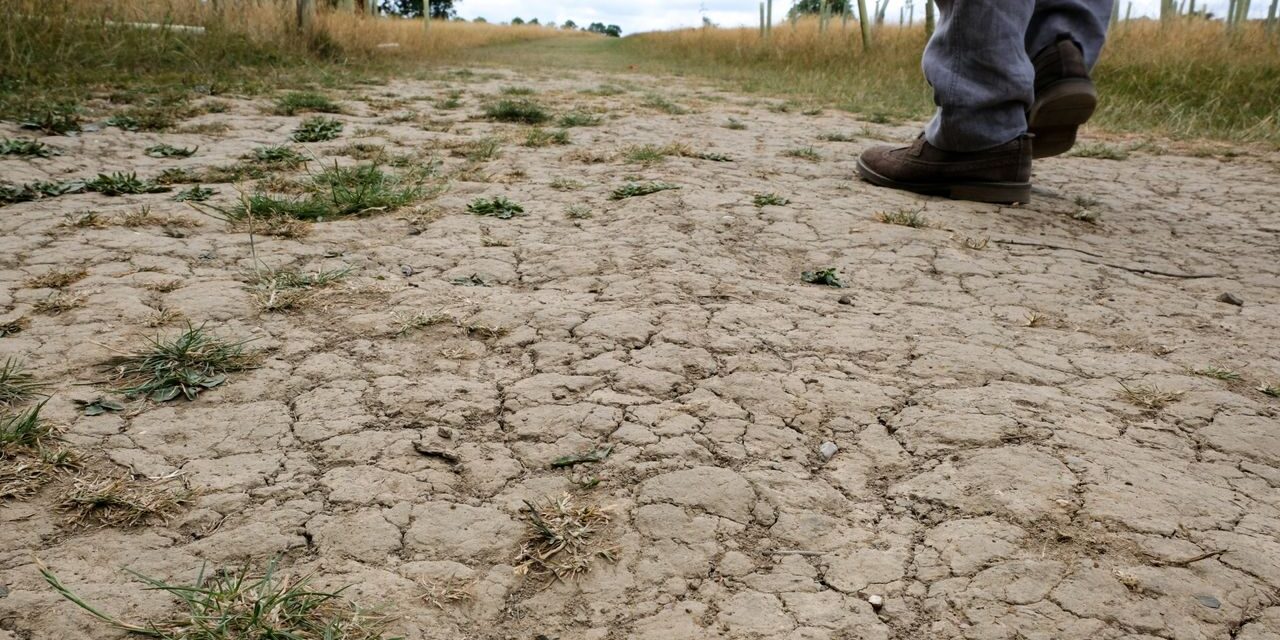
As the effects of climate change continue to intensify, droughts are becoming an increasingly common global concern. Now, new research suggests that these conditions could unwittingly fuel the surge of antibiotic-resistant superbugs, a longstanding global health hazard that raises significant ethical and policy concerns.
Antibiotic resistance is a naturally occurring phenomenon wherein bacteria mutate and acquire the ability to resist the effects of antibiotic drugs, often due to their misuse or overuse. However, this unanticipated climate link could heighten the urgency to control superbug proliferation.
A study published in the journal “Environment International” has provided preliminary evidence of this unsettling climate-health twining. It highlights how drought-stressed ecosystems potentially facilitate the spread of antibiotic resistance, a secondary but no less detrimental effect of prolonged water scarcity.
The researchers leveraged pulsed-field gel electrophoresis, a genetic fingerprinting technique, to analyze E. coli samples isolated from rivers in Malaysia during both drought and non-drought conditions. Their findings showed that the prevalence rate and diversity of antibiotic-resistant strains were astonishingly higher during drought years.
While the exact causal chain remains uncertain, two major theories are being explored in academia to explain this phenomenon. Firstly, drought conditions often lead to lower water volumes which can significantly increase the concentration of antibiotic residues and resistant bacteria present in water bodies. This increases the likelihood of resistance genes being shared between bacterial communities, thus breeding drug-resistant strains.
Secondly, moisture stress alters the soil microbiome. This ultimately leads to a change in bacterial community structure favouring those that possess resistance genes – another pathway illuminating how drought can foster antibiotic resistance.
These findings warrant attention as climate models predict an escalation in drought severity across many regions of the world alongside current intensification of climate change effects. This will inadvertently enlarge the scope for antibiotic resistance, presenting further barriers to controlling its rise.
The health implications are substantial. Antibiotic resistance already underpins numerous health crises, including deaths due to untreatable infections. The World Health Organization regards this menace as one of the top ten public health threats we face nowadays. Any process, including climate variations, that escalates the evolution of superbugs, therefore, poses a direct threat to human health.
In addition, these findings could have socioeconomic implications, particularly for developing countries where the dual plague of emerging climate extreme events and weak healthcare infrastructures are prevalent. The surge in drought-driven antibiotic resistance might potentially stretch their already strained medical resources.
While this research is in its early phase and further studies are needed to cement the connection between emerging climate extremes and superbug resilience, these results underscore the complex and far-reaching impacts of climate change beyond environmental degradation.
Unraveling this nexus holds significant implications for policy-making. Conventional strategies to curb antibiotic resistance have hitherto mostly focused on reducing antibiotic misuse. However, this new evidence points towards the need to embrace wider frames of action, including tackling climate change and improving water management.
Ultimately, the research underlines the urgency of concerted, multifaceted efforts to mitigate both antibiotic resistance and climate change. The fight against the proliferation of superbugs requires not only responsible use of antibiotics but also environmental stewardship to mitigate the exacerbating effects of climate change.
This nexus further emphasizes that climate change is not just an environmental issue, but a broader socio-economic and public health concern. Comprehensive and integrated solutions that factor in these intersecting challenges will, therefore, be critical in our collective fight against climate change and its diverse ramifications.
Original Source: https://www.livescience.com/planet-earth/drought-could-fuel-the-rise-of-antibiotic-superbugs-as-climate-change-worsens-new-research-suggests