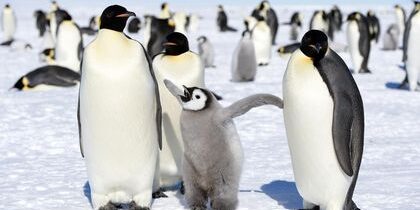
In a significant conservation development, the International Union for Conservation of Nature (IUCN) has officially classified the Emperor Penguin as an endangered species due to their rapidly declining populations and the ongoing loss of their Antarctic habitat. This classification highlights the pressing need for comprehensive measures to protect these iconic birds as the effects of climate change intensify.
What happened
The IUCN’s Red List of Threatened Species updated its status on Emperor Penguins following alarming research findings that indicate a drop in their numbers caused by the melting of sea ice in Antarctica. These birds rely on stable ice for breeding and raising their young, but rising global temperatures have led to a significant reduction in their icy habitat. Observations show that several colonies are experiencing dramatic declines in breeding success, with predictions indicating that if current trends continue, Emperor Penguins could face extinction by the end of the century.
Why it matters
The Emperor Penguin is not just a symbol of the Antarctic; it serves as an indicator of the health of marine ecosystems. Its unique breeding cycle and dependence on sea ice illustrate the broader impacts of climate change on biodiversity. The loss of this species would not only signify an ecological tragedy but would also disrupt the entire food web, affecting other wildlife that share the same habitat. Furthermore, the plight of the Emperor Penguin exemplifies the urgent environmental challenges we face globally, drawing attention to the need for systemic change in our approach to climate policy and conservation efforts.
What comes next
The immediate outlook for Emperor Penguins remains grim, yet there is a push from various conservation organizations and scientists to implement effective strategies aimed at mitigating climate change impacts. Conservationists are advocating for the establishment of protected areas, improved regulations on greenhouse gas emissions, and more research to understand and address the specific needs of these penguins. Public awareness campaigns will be critical in rallying support, as individual actions and systemic policy changes can ultimately help safeguard these majestic birds for future generations.
As the world watches the fate of the Emperor Penguin unfold, ongoing assessments will be essential to track their populations and the health of their habitats. The coming years will prove crucial, not only for the survival of this species but also as a gauge of humanity’s commitment to preserving our planet in the face of climate chaos.
Original Source: https://www.smithsonianmag.com/smart-news/as-their-antarctic-habitat-melts-away-emperor-penguins-are-now-considered-an-endangered-species-180988520/