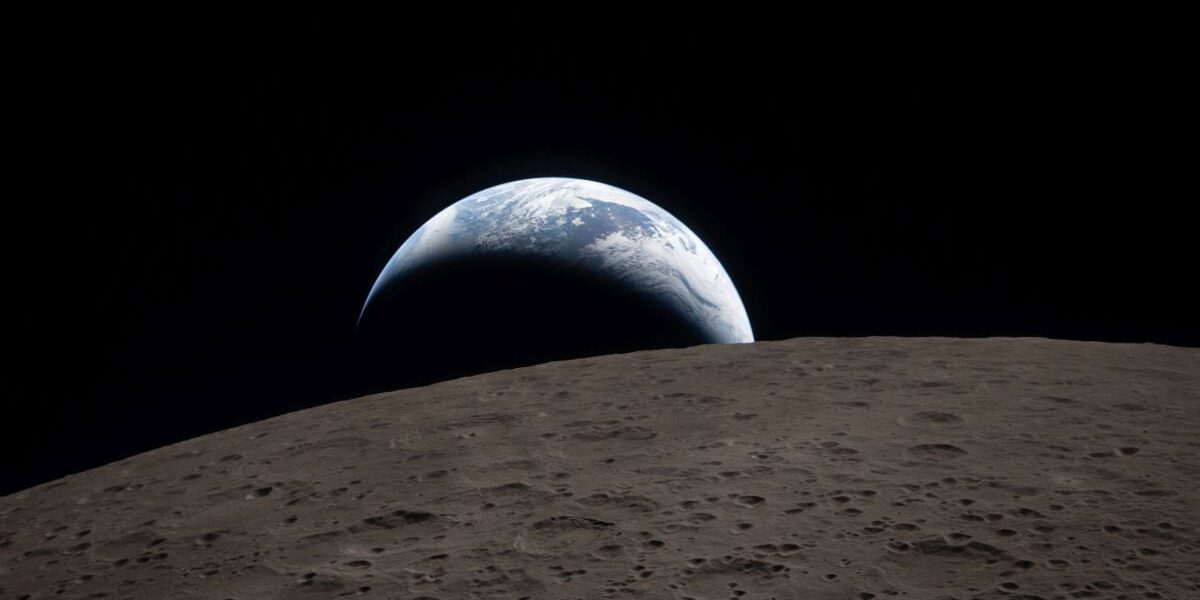
The Artemis II crew has successfully captured stunning images from the far side of the Moon, marking a significant milestone in NASA’s ongoing lunar exploration efforts. This landmark achievement illustrates the capabilities of human spaceflight and the technological advances that enable such intricate missions.
Key details
Launched as part of the Artemis program, Artemis II represents the first crewed mission intended to orbit the Moon since the Apollo era. The crew of four astronauts, including mission commander Reid Wiseman and pilot Victor Glover, have taken high-resolution photographs that showcase not only the lunar surface but also the unique vantage point of the far side, which is seldom seen from Earth.
These images provide detailed insights into the Moon’s topography, allowing scientists to study the geographical features and geological history of an area that has largely remained unexplored. As the spacecraft moved through orbit, the crew documented crucial data alongside capturing breathtaking visuals, enriching our understanding of the Moon’s composition and potential resources.
Why this matters
The ability to photograph and analyze the far side of the Moon carries practical implications for future lunar missions. The far side, hidden from direct view from Earth, harbors potential sites for future exploration and even habitation. The information gained from this mission could aid in identifying ideal locations for scientific study, resource extraction, and potentially the establishment of a lunar base.
Moreover, these images serve to rekindle public interest in space exploration, highlighting the mission’s role in advancing human knowledge and technological progress. This engagement is vital for garnering support for future initiatives in space exploration, including missions to Mars and beyond.
Broader picture
The Artemis II mission signals a shift in the narrative of space exploration, moving beyond the purely scientific to encompass collaborative ventures and international partnerships. By demonstrating success in human spaceflight, it paves the way for worldwide involvement in space research. As countries and private entities increasingly participate, we may see a new era where lunar exploration becomes a shared goal.
Furthermore, insights gained from missions like Artemis II could serve as a stepping stone toward preparing for long-duration missions to Mars. The technologies, strategies, and experiences learned from deployment around the Moon will be invaluable in informing how we approach interplanetary travel.
In conclusion, the images sent back by the Artemis II crew are not merely stunning visual art; they represent a significant leap forward in our quest to explore the cosmos. The mission reinforces the importance of lunar exploration as a foundation for future endeavors and illustrates the pioneering spirit of human exploration in the 21st century. As we look ahead, the findings from this mission will likely influence planning and strategy for the next steps in our journey to deeper space.
Original Source: https://www.sciencealert.com/the-artemis-ii-crew-has-sent-back-stunning-images-from-the-far-side-of-the-moon