
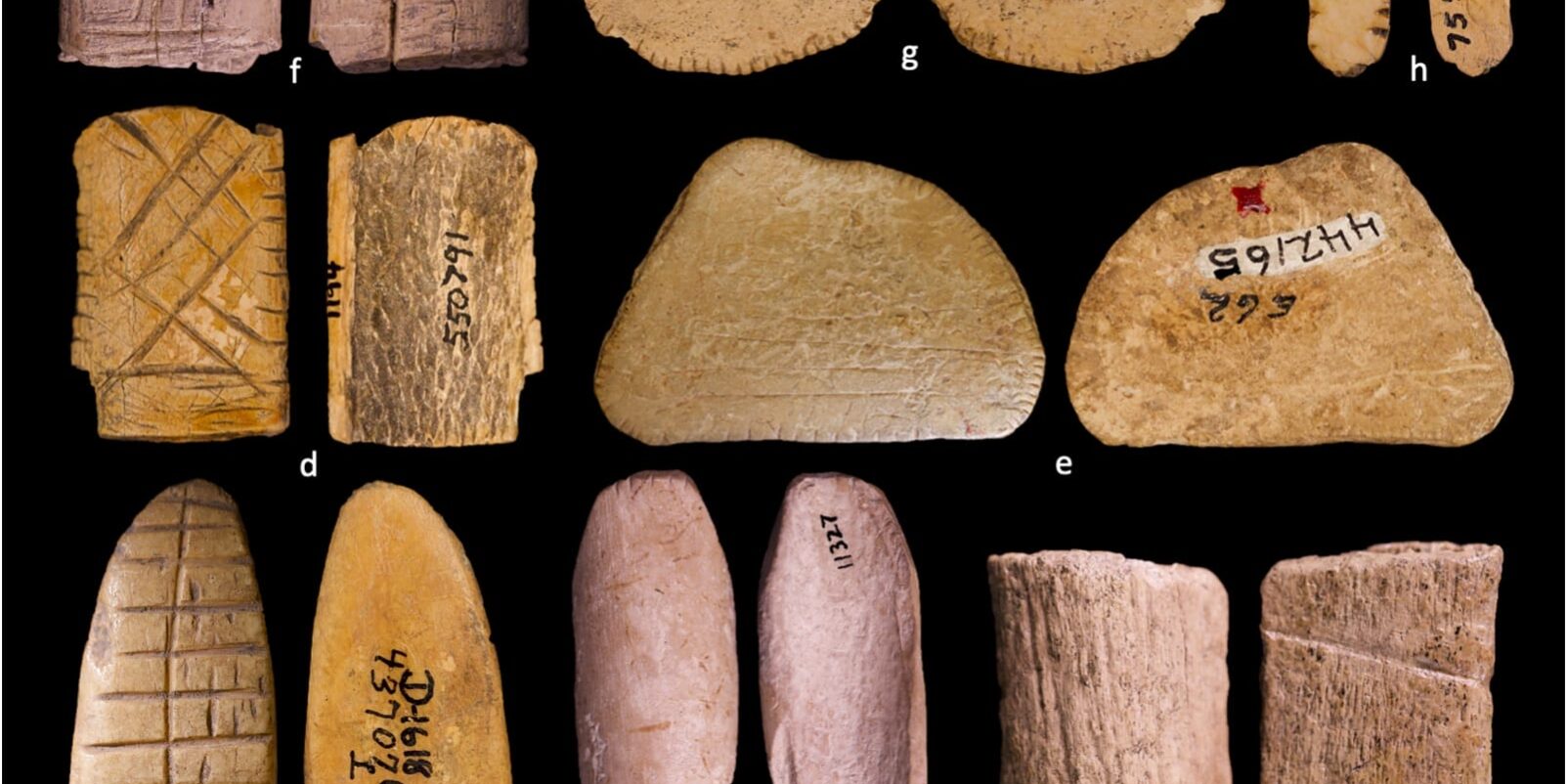
Archaeological recent research has uncovered ancient gaming materials that suggest Native Americans were enjoying games of chance using handcrafted dice as far back as 12,000 years ago. This revelation, shedding new light on the rich cultural history of indigenous tribes, has recently created quite a stir in both academic circles and online communities.
The discovery was made during excavations at numerous archaeological sites across the American southwest. The Evidence found, antler dice and gaming sticks, demonstrates an advanced understanding of not only games strategy, but also the creation and use of tools and symbols.
These ancient dice were carved from the antlers of deer and other game animals, shaped into oblong forms with notches and patterns etched into the surface. Meanwhile, the gaming sticks were discovered alongside the dice, long, slender artifacts adorned with intricate, intentional markings.
“We know that games of chance have been a part of human society virtually since the beginning,” explained Sarah Drayson, an archaeologist with the University of Nevada. “These discoveries provide fascinating insights into how Native American cultures embraced this concept thousands of years before the advent of modern, structured gaming.”
Unlike the dice used in those modern games, which are virtually universally cube-shaped, those found at these sites were roughly cylindrical, with markings indicating possible scoring or ranking systems. Similarly, the gaming sticks bore evidence of wear and tear, implying frequent use and perhaps some ceremonial significance.
Drayson further elaborates, “The dice and gaming sticks likely served multiple purposes within these ancient communities. It’s plausible that they were a means of entertainment, a way to pass the time, but they also held social and possibly spiritual significance.”
According to Drayson, marking carved into the dice could have had symbolic meaning, while the games themselves may have helped to establish social hierarchies or been used in ritualistic contexts. This confirms that games and gambling were not just pastimes for these native tribes, but deeply ingrained aspects of their culture.
The evidence tells us that these tribes were not the sole practitioners of these recreational activities. Similar artifacts have been discovered in other parts of the world, hinting at an interconnected network of ancient gaming practices proficient at dice-carving.
A 5000-year-old backgammon set found in what is now southern Iran is one of the earliest known examples of ancient dice. Inuit communities in Alaska have been found with dies dating back millennia, and early Polynesian settlers in New Zealand devised astragali, knucklebones cast to produce random results, some 3000 years ago.
What makes the recent finds in the Americas so significant, however, is just how old they are. A staggering 12,000 years old, these artifacts predate virtually all others found to date, bringing into the focus the wealth and depth of indigenous cultural history.
News of the discovery has been met with fervent interest online, with social media users expressing their fascination at these revelations. Academic journals and archaeological websites have been buzzing with informed discussion, and even mainstream media outlets have picked up the story, underscoring the broad appeal and wider implications of these findings.
This research offers a potent reminder that recreational activities have deep historical roots, with games of chance serving as critical components of human society. For the indigenous tribes of the American southwest, the dice and gaming sticks bear witness to their rich cultural legacy.
As we grasp the intertwined histories of play and ceremony, we come to understand more fully both the ingenuity of our ancestors and the timeless allure of chance and strategy. Whether you are rolling dice in an extravagant Las Vegas casino or in an ancient pit-house dwelling, the thrill of the game is a feeling that transcends the ages.
Original Source: https://www.thisiscolossal.com/2026/04/ice-age-native-american-ancient-dice-games-archaeology/