Beloved by fans around the world, the reality TV show Shark Tank has given countless entrepreneurs the chance to present their ideas to an array of successful business tycoons. While many of these product pitches have secured funding and have gone on to become successful businesses, not all have been so lucky. We delved into the Shark Tank archives and unearthed 20 product pitches made on the show that did not convince the Sharks to invest.
The show’s premise revolves around hopeful entrepreneurs pitching their business or invention to a panel of ‘Sharks’, industry titans with the power and funds to potentially transform an idea into a successful venture. This high-pressure format, however, does not always guarantee success.
Some missed opportunities include the Ionic Ear, an invention by Darrin Johnson in Season 1, which proposed a surgically implanted Bluetooth device. The Sharks were not sold mainly due to the product’s invasive nature. Another dud was a pet food cover from Lisa Lloyd pitched in the same season. Her product intended to prevent pets from overeating, but was met with lukewarm reception from the panel due to inadequate market research.
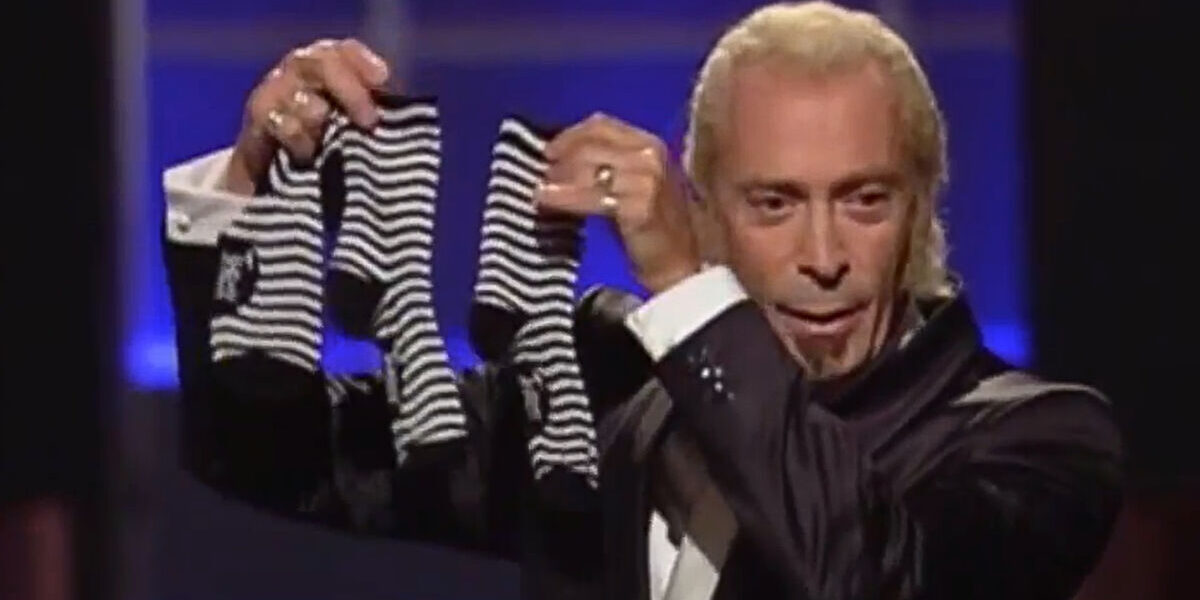
In Season 2, MaryEllen Simon pitched her Throx: socks sold in sets of threes to solve the age-old problem of losing socks. The Sharks found the idea unremarkable and did not invest. Similarly, Copa Di Vino, a single-serving wine in a cup pitched by James Martin, sounded reasonable but was deemed a risky investment due to a saturated wine market and high production costs. Martin was, however, offered a deal for his patented plastic glass, but he declined.
More recently in Season 5, Michael J. Desanti’s Funbites was a food cutter that turned meals into fun shapes for kids. However, the Sharks turned him down, citing the product’s limited market appeal.
One of the most memorable pitches comes from Season 6, when inventors of the skinny mirror, Belinda Jasmine, tried to convince the Sharks that their product – a slightly distorted mirror that makes users look thinner – was a worthwhile investment. The Sharks unanimously dismissed the pitch, citing ethical issues as the main reason.
There’s also NoPhone from Season 7, a tech-free piece of plastic shaped like a smartphone intended to cure tech addiction. The Sharks didn’t buy into it, doubting its profitability and questioning the practicality of the concept.
In Season 8, entrepreneur Jason Woods brought before the Sharks his motorized surfboard, Kymera. Although the product was innovative, the Sharks didn’t bite largely because of the high price point and limited market.
More recent flops include Life Lift Vortex Bed from Season 10, which promised to whisk sleeping homeowners to safety in the event of a flood, but failed to lure the sharks due to its impracticality, and Unbuckle Me from Season 11, a gadget designed to make unbuckling car seat belts easier, but couldn’t resonate enough with the Sharks.
While these pitches didn’t convince the Sharks to shell out their hard-earned money, they sure left a lasting impression. They serve as a reminder that even though every good idea may not necessarily translate into a lucrative business, Shark Tank remains a unique platform that promotes the spirit of entrepreneurship and innovation in front of an international audience.
As the Sharks often emphasize, it takes more than just a unique idea; to secure an investment, pitches must demonstrate market viability, the capability of scaling and the potential of returning profit. Failures on Shark Tank aren’t merely missed opportunities; they’re a testimony to the demanding, yet rewarding, process of entrepreneurial innovation.
Original Source: https://www.boredpanda.com/shark-tank-poll/