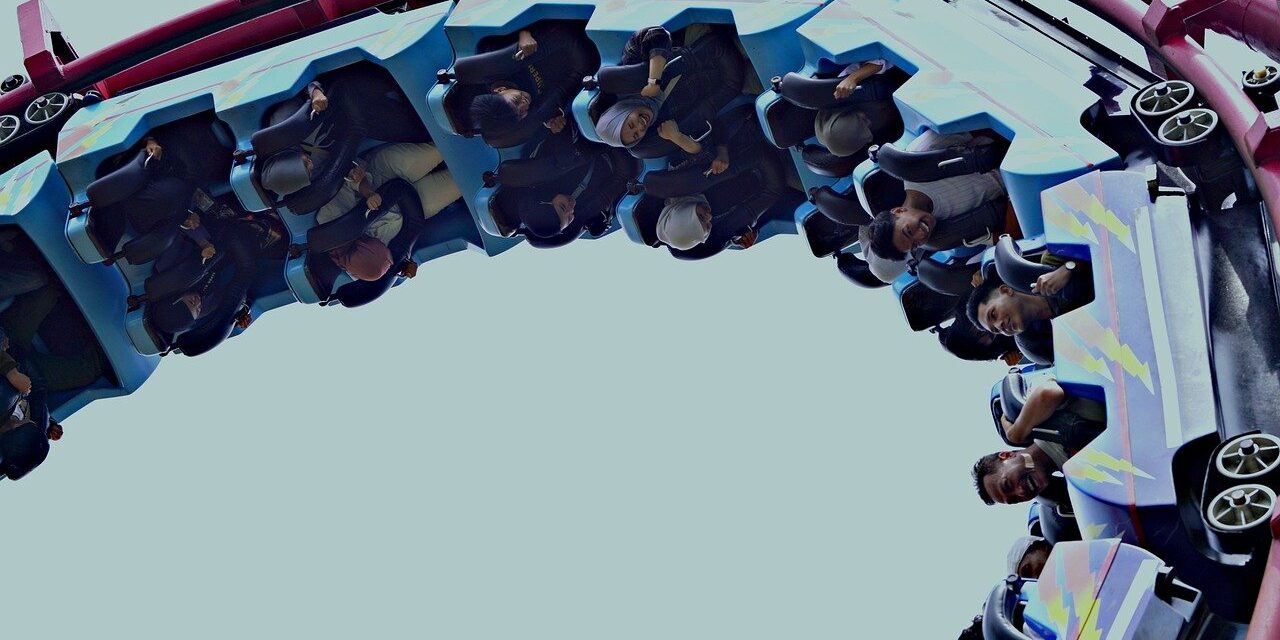
A festive day out turned to dread as a middle-aged man encountered a life-threatening brain haemorrhage minutes after tripping off a high-speed roller coaster at a well-known theme park. Recent reports indicate his current medical condition is stable, yet critical.
The man, Mr. Scott Simmons, a 48-year-old accountant from Milwaukee, was rushed to the hospital on Tuesday night after he collapsed minutes after alighting from a ride called ‘Dive Bomber’. His disoriented leaning and lack of responsiveness triggered alert among his family and park staff.
The park’s emergency medical team promptly attended to Mr. Simmons. Upon witnessing his symptoms such as slurred speech, a severe headache, and loss of coordination, the team suspected strong likelihood of a stroke or brain haemorrhage. The urgency of his medical condition necessitated immediate hospitalization prompting an emergent transfer to the nearest healthcare facility.
Upon arrival at the hospital, tests confirmed that Mr. Simmons had suffered a subarachnoid haemorrhage – a severe type of stroke – triggered by a ruptured blood vessel in his brain. He was subsequently placed in the Intensive Care Unit (ICU) for continuous monitoring and treatment.
Roller coaster rides’ potential to incur health risks has been a controversial topic for years. They are associated with intense physical forces that can case blood pressure spikes, rapid heart rate, or changes in gravitational forces (G-force). Experts suggest these abrupt changes may have led to the rupture of pre-existing weak vessels in Mr. Simmons’ brain.
Speaking on the issue, Dr. Sarah Lawson, a neurologist with the Milwaukee Medical Center, explains, “The sharp increase and decrease in G-force experienced during such rides can cause irregular blood flow in the brain. This might result in a ruptured blood vessel, especially in those who have pre-existing cerebral aneurysms.”
Post this incident, the theme park’s safety protocols and practices have come under scrutiny. The park management maintains that the ‘Dive Bomber’ passed all its inspections, complies with all necessary standards and regulations, and they follow a rigorous daily inspection routine to ensure their rides’ safety.
Upon the incident, they stated, “Our thoughts are with Mr. Simmons and his family at this difficult time. The safety and health of our visitors are our top priority. We are conducting an internal review and will cooperate fully with any external investigations.”
Parallelly, online discussions exploded with varying sympathies and resolutions. On popular platforms like Twitter and Facebook, users prayed for Mr. Simmons’ recovery and hoped for stricter inspection regulations. Some also shared experiences of feeling dizzy or faint after similar high-speed thrill rides.
The incident has sparked renewed debate about the potential health risks associated with high-intensity amusement park rides. It is crucial now, more than ever, to raise public awareness about understanding our thresholds and recognizing when to step back. All thrill-seekers should adhere to health and safety guidelines, and it becomes exceedingly vital for those with pre-existing health conditions.
While roller coasters remain a chief attraction at amusement parks, they may impose health risks for some individuals. The event underscores the need for medical check-ups before partaking in physically intense activities, especially for individuals with preexisting health conditions and those of middle to old age. The incident involving Mr. Simmons is a grave reminder to us all about amusement park safety.