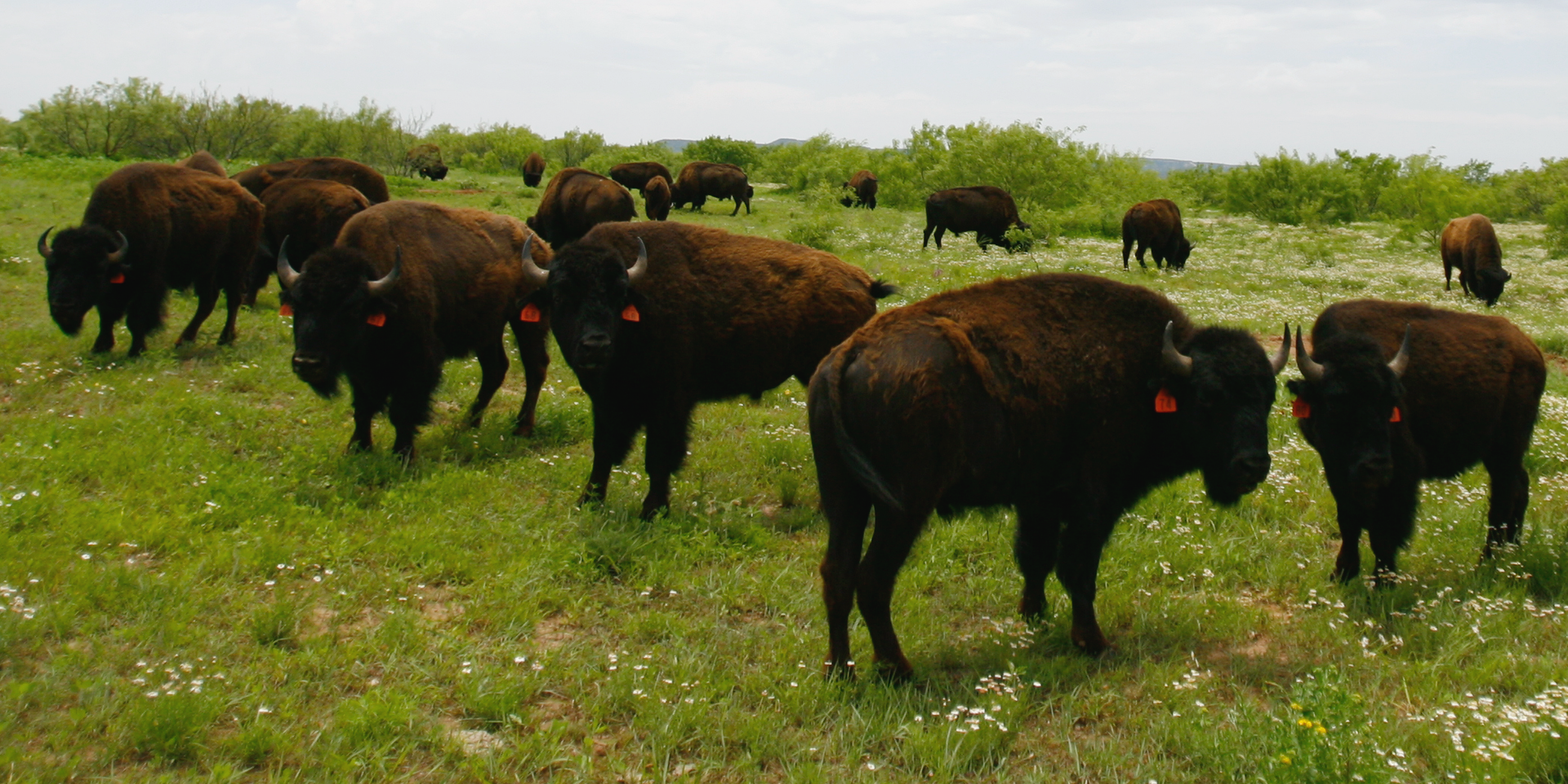
Recent research has uncovered that Indigenous peoples in Texas used a unique cliff to herd bison off for approximately 3,000 years. This practice not only highlights the ingenuity of ancient hunting methods but also serves as an important reminder of the intricate relationship between humans and wildlife throughout history.
Key details
The study focused on the Bison Jump, a natural rock formation in the Texas Panhandle that served as a strategic hunting site for Indigenous groups. Archaeologists unearthed tools and animal remains at the site, confirming that hunters would drive large herds of bison toward the cliff’s edge, effectively forcing them to plunge into the ravine below. The remains indicated a deliberate and sophisticated hunting strategy, which would have been vital for the survival of these communities.
This method of hunting is reminiscent of similar practices seen in other parts of North America, where cliffs and natural formations were used to create traps for large game. The implications of this research extend beyond the specific site in Texas, shedding light on the adaptive strategies employed by Indigenous peoples in various environments.
Why this matters
The findings are significant not only for their cultural implications but also for modern conservation efforts. Understanding how Indigenous communities interacted with bison populations can inform contemporary wildlife management strategies. Historically, bison were crucial for the sustenance of Native American tribes, providing food, clothing, and materials for shelter. By examining these ancient practices, researchers can better appreciate the sustainable methods employed by Indigenous communities long before modern ecological principles were established.
Moreover, the study invites broader discussions about the rights of Indigenous peoples and their historical connection to the land. For many tribes, the bison is not merely a source of sustenance; it holds deep spiritual significance. Recognizing these connections can enrich current conversations about land use, conservation, and the rights of Indigenous populations in modern America.
Broader picture
This research serves as a powerful reminder of the complexities of human-wildlife interactions throughout history. As contemporary society continues to grapple with biodiversity loss and habitat encroachment, insights derived from ancient practices offer valuable perspectives on sustainable living and coexistence with nature.
Furthermore, as public interest in Indigenous histories and cultural practices grows, studies like this one challenge oversimplified narratives often found in mainstream history. They underscore the need for a nuanced understanding of past communities and their practices, emphasizing respect for Indigenous knowledge systems that have emerged over millennia.
In essence, the Bison Jump study not only illuminates a unique aspect of Texas’s Indigenous heritage but also resonates with broader themes of sustainability, cultural preservation, and the need for respectful engagement with Native American histories. As we look to the future, these ancient practices might inform new ways of balancing human development with the stewardship of the natural world.