
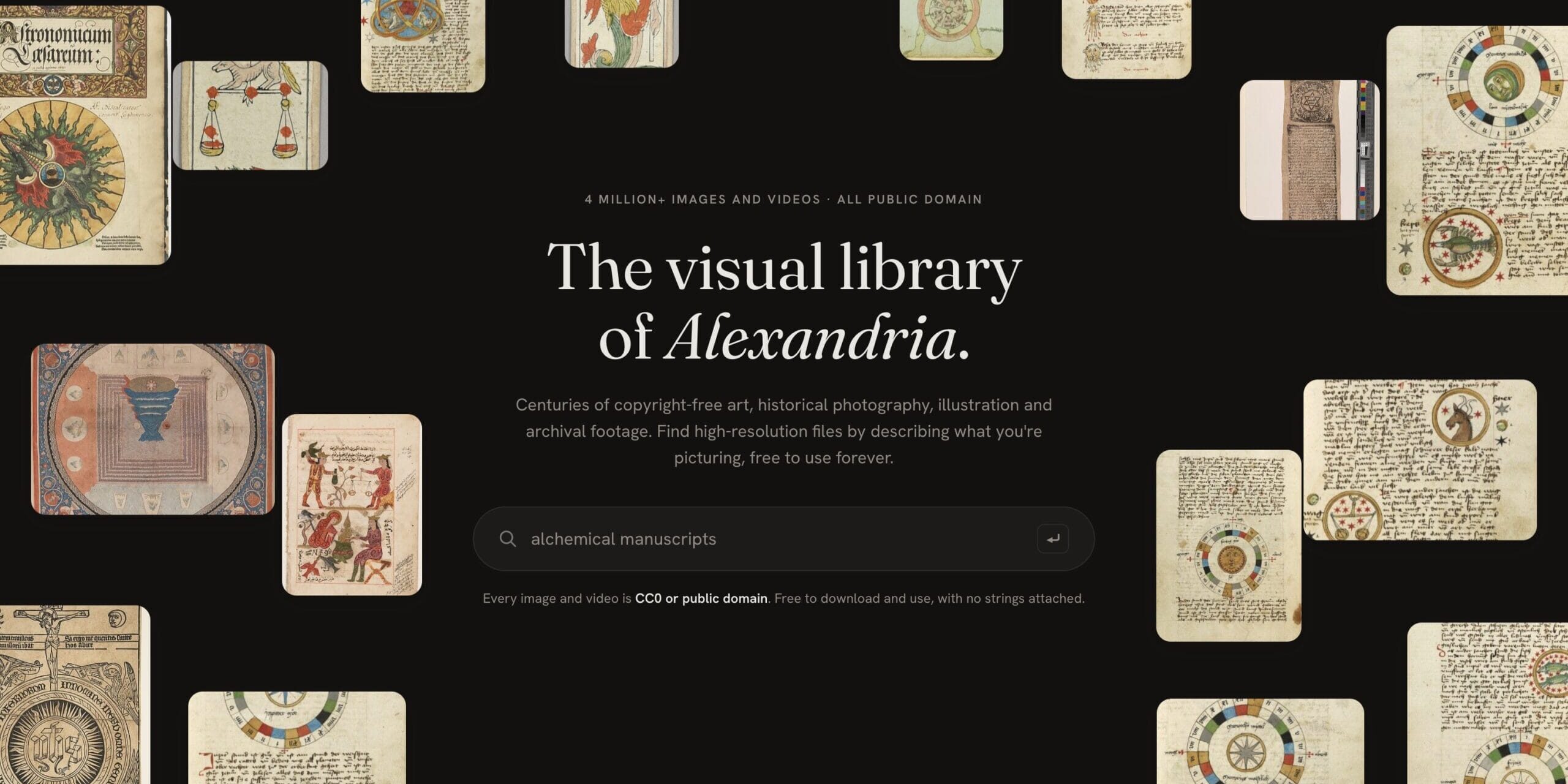
The release of over 4 million public domain images by Arkivism has sparked significant interest across various sectors, including the arts, education, and technology. As discussions intensify about the ethical implications of artificial intelligence (AI) in creative fields, many have welcomed Arkivism’s initiative as an antidote to the growing challenges posed by AI-generated content. The response has largely been positive, reflecting a collective desire for accessible resources that honor creativity while promoting inclusivity.
Immediate reaction
Shortly after Arkivism’s announcement, artists, educators, and researchers took to social media platforms to express their enthusiasm. Many see this extensive collection as a valuable tool for innovation and inspiration. “This is a game changer,” commented a visual arts professor on Twitter, highlighting how easy access to a diverse array of images can enhance learning and creativity. Online communities have already begun sharing links to Arkivism, alongside discussions about potential projects that can benefit from these resources.
The accessibility of these images also addresses critical concerns surrounding the fairness and diversity of AI-generated content. Many users argue that AI tends to replicate existing biases found in training datasets, which can lead to narrow representations of culture and creativity. By providing a vast selection of public domain images, Arkivism aims to democratize access to visual resources, allowing users to create without the limitations often imposed by copyright issues.
What triggered the move
Arkivism’s decision to make such an extensive collection available comes at a time when AI’s influence is markedly shifting the creative landscape. The rise of generative AI tools has led to a proliferation of content that, while innovative, raises questions about authenticity and ownership. Arkivism’s response appears to be a direct acknowledgment of these concerns, prioritizing transparency in creative processes and encouraging original works grounded in historical imagery.
Furthermore, there is a growing desire among the public and professionals for alternatives to AI tools that rely on proprietary datasets. Arkivism’s initiative serves as a reminder that a wealth of resources already exists, ready to inspire new narratives and creative expressions. The decision has been met with support from institutions dedicated to preserving cultural heritage, who see it as a way to engage more people in the importance of public domain works.
Why readers should care
Understanding Arkivism’s initiative matters because it underscores the ongoing conversation surrounding creativity in an increasingly digital world. Access to such a large body of public domain images is not merely about convenience; it reflects a broader cultural movement towards open resources that foster innovation without the constraints of modern copyright laws. For educators, this could mean enhanced lesson planning materials, while for independent artists, it may serve as a springboard for new projects that explore themes and techniques drawn from history.
In the short term, the impact of Arkivism’s move may inspire a surge in creative projects, educational initiatives, and collaborative works. As public domain images become more widely utilized, they will likely lead to a renaissance of visual culture that prioritizes inclusivity and accessibility. By embracing this transformative approach, Arkivism shows a path forward in navigating the complexities of creativity amid the rise of AI.
Original Source: https://www.thisiscolossal.com/2026/11/arkivism-public-domain-search/