
The latest turn
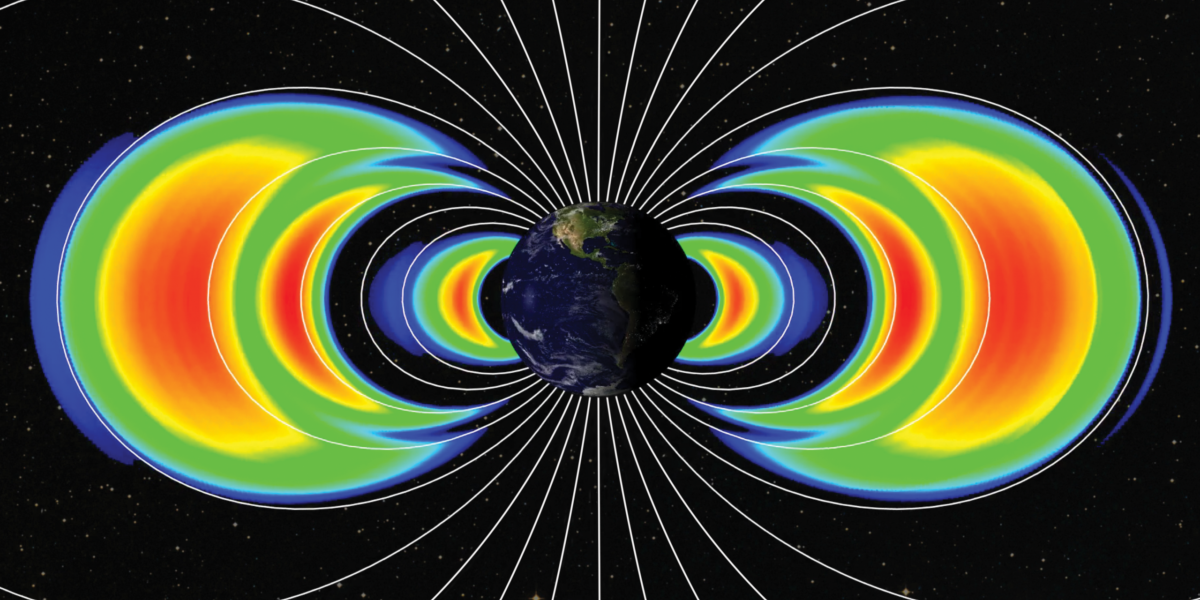
Recent observations from NASA’s Van Allen Probes have revealed that the Earth’s radiation belts may not be as impenetrable as previously believed. Scientists detected unusual fluctuations in high-energy electrons beyond the expected boundaries of these belts, suggesting a dynamic interaction with solar winds and cosmic rays. This unexpected finding has prompted a reevaluation of how Earth’s magnetic fields interact with radiation from outer space, raising questions about the protective capabilities of our planet’s natural shield.
Researchers are also exploring the implications of these findings for space travel and satellite operations. As humanity ventures further into space, understanding the variability and potential breaches in the radiation belts becomes increasingly critical. The data gathered from the Van Allen Probes will enable scientists to refine their predictive models concerning radiation exposure for astronauts and spacecraft.
How the story got here
The journey to this revelation began with the launch of NASA’s Van Allen Probes in 2012, which were specifically tasked with studying Earth’s radiation belts. For decades, these belts were thought to offer a protective barrier, absorbing or deflecting harmful solar and cosmic radiation. Traditionally, the consensus was that these belts contained stable levels of radiation that changed only in response to intense solar events, such as solar flares.
However, new data has shown that even during relatively calm periods in solar activity, fluctuations in high-energy particles occur, which can lead to variations in radiation levels within and beyond the belts. The research indicates that interactions with the solar wind can disrupt the conventional understanding, and the energy gained from these interactions can allow particles to penetrate further than expected.
These insights not only challenge existing models of planetary protection but also suggest that we need to consider more complex interactions at play in the near-Earth environment. The revelations may also reshape our views on how other planets with magnetic fields respond to similar cosmic threats.
Next expected developments
In light of these findings, scientists anticipate a series of follow-up studies to probe deeper into the dynamics of Earth’s radiation environment. Future investigations will focus on collecting more data to assess the long-term behavior of the radiation belts under varying space weather conditions. Enhanced satellite missions could be on the horizon to further investigate these anomalies.
Moreover, with the upcoming Artemis missions slated to bring humans back to the Moon and eventual Mars exploration endeavors, understanding the robustness of Earth’s radiation belts is critical for developing effective safety protocols. Experts are also keen to expand their research to determine how other celestial environments may respond under similar circumstances.
As scientists gather more insights, one can expect collaborative international efforts to address how these new findings will impact current space exploration initiatives, paving the way for innovative technological advancements in radiation shielding and astronaut safety. The unfolding narrative is likely to reshape not only our understanding of Earth’s protective mechanisms but also the future of human presence among the stars.
Original Source: https://www.sciencealert.com/earths-supposedly-impenetrable-radiation-barrier-has-been-breached