
Key details
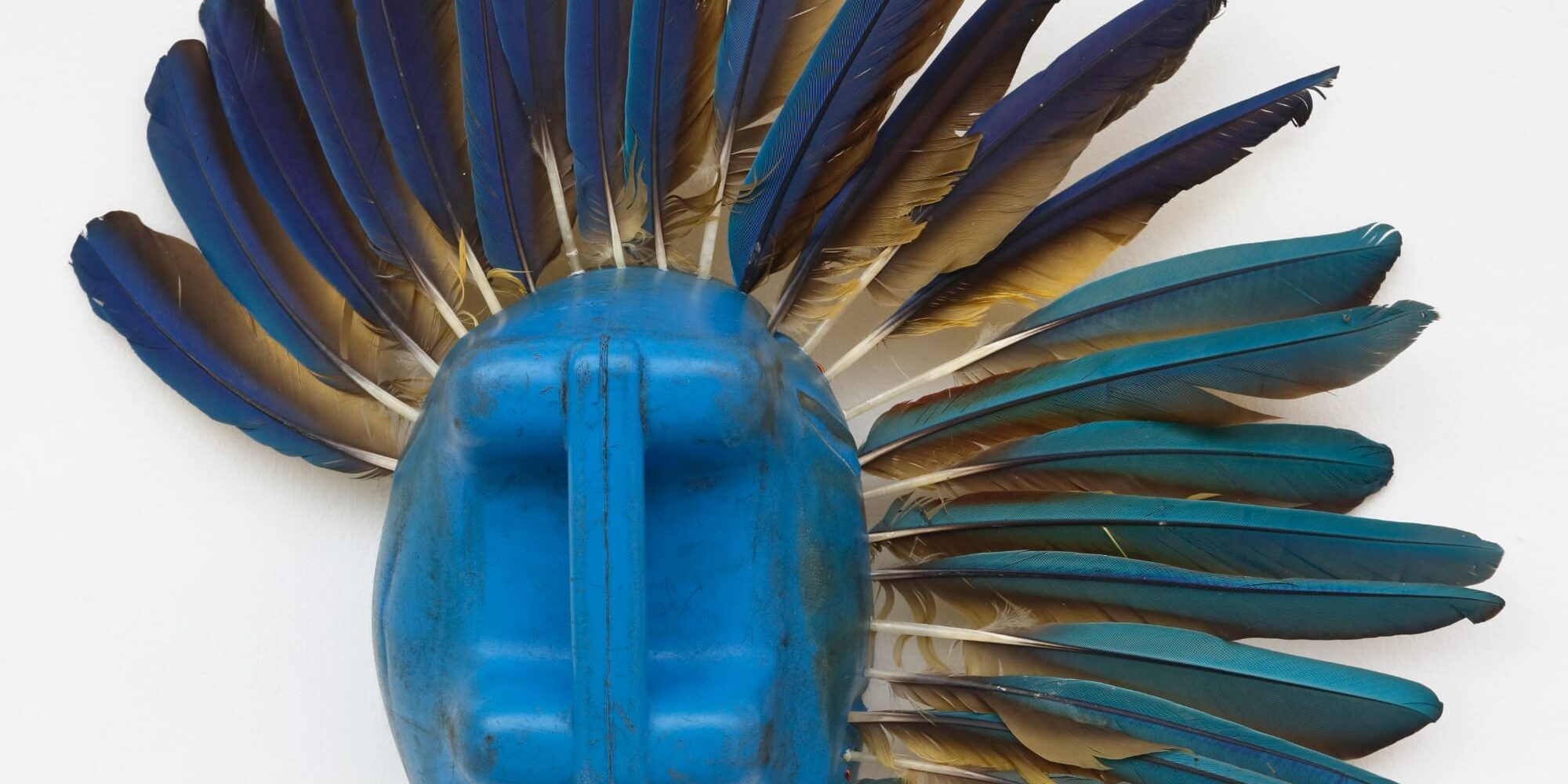
Romuald Hazoumè, a prominent contemporary artist from Benin, has recently unveiled a remarkable collection of found object masks that serve as a poignant commentary on societal issues. Utilizing materials sourced from everyday life, Hazoumè transforms discarded items into profound artistic statements. His masks, rooted in African traditions, are not merely artifacts but dynamic pieces that engage with themes of identity, colonial history, and resilience. This collection exemplifies Hazoumè’s signature style, melding artistry with cultural critique through a unique process of recycling and upcycling.
Each mask—crafted from an array of materials such as used car parts, plastic bottles, and fabric remnants—reflects a specific story or social issue. Hazoumè’s work resonates with viewers on multiple levels, encouraging them to consider the historical and emotional implications of the materials employed. The masks not only showcase an aesthetic appeal but also invite reflection on consumption and waste in contemporary society.
Why this matters
This artistic endeavor is noteworthy for its innovative approach to both art and environmental awareness. Hazoumè’s use of found objects challenges the conventional boundaries of artistry, prompting a reconsideration of value in the materials around us. The masks stand as a metaphor for transformation and resilience, suggesting that beauty and meaning can arise from what is often deemed worthless.
In an era where discussions about sustainability are paramount, Hazoumè’s work urges viewers to rethink their relationship with the material world. The masks serve as visual reminders of the potential for renewal and regeneration, particularly in the context of African cultures that have historically faced exploitation and marginalization. This not only reinforces the artist’s critical commentary on colonial legacies but also offers a hopeful vision of communal strength and adaptability.
Broader picture
Hazoumè’s found object masks resonate within broader contemporary conversations about environmentalism and cultural identity. The art world has increasingly recognized the significance of works that not only capture aesthetic beauty but also convey deeper social narratives. Hazoumè occupies a vital space in this discourse, where art becomes a vehicle for raising awareness about pressing global issues.
Moreover, his work aligns with a growing movement among artists who utilize found materials to address themes of consumerism and waste management. This resonates with audiences who are becoming more conscious of their consumption habits and their impact on the planet. As public interest in sustainability and ethical consumption rises, works like Hazoumè’s challenge us to confront uncomfortable truths while inspiring action and change.
In conclusion, Romuald Hazoumè’s found object masks embody a transformative artistic vision that blends cultural heritage with contemporary relevance. By repurposing materials into poignant statements of resilience, he invites a dialogue that stretches beyond the art world to encompass broader societal concerns. The masks serve not just as art objects but as catalysts for reflection on our shared environment and collective history, urging us toward a more compassionate and conscientious engagement with the world around us.
Original Source: https://www.thisiscolossal.com/2026/10/romuald-hazoume-plastic-jug-mask-sculptures/