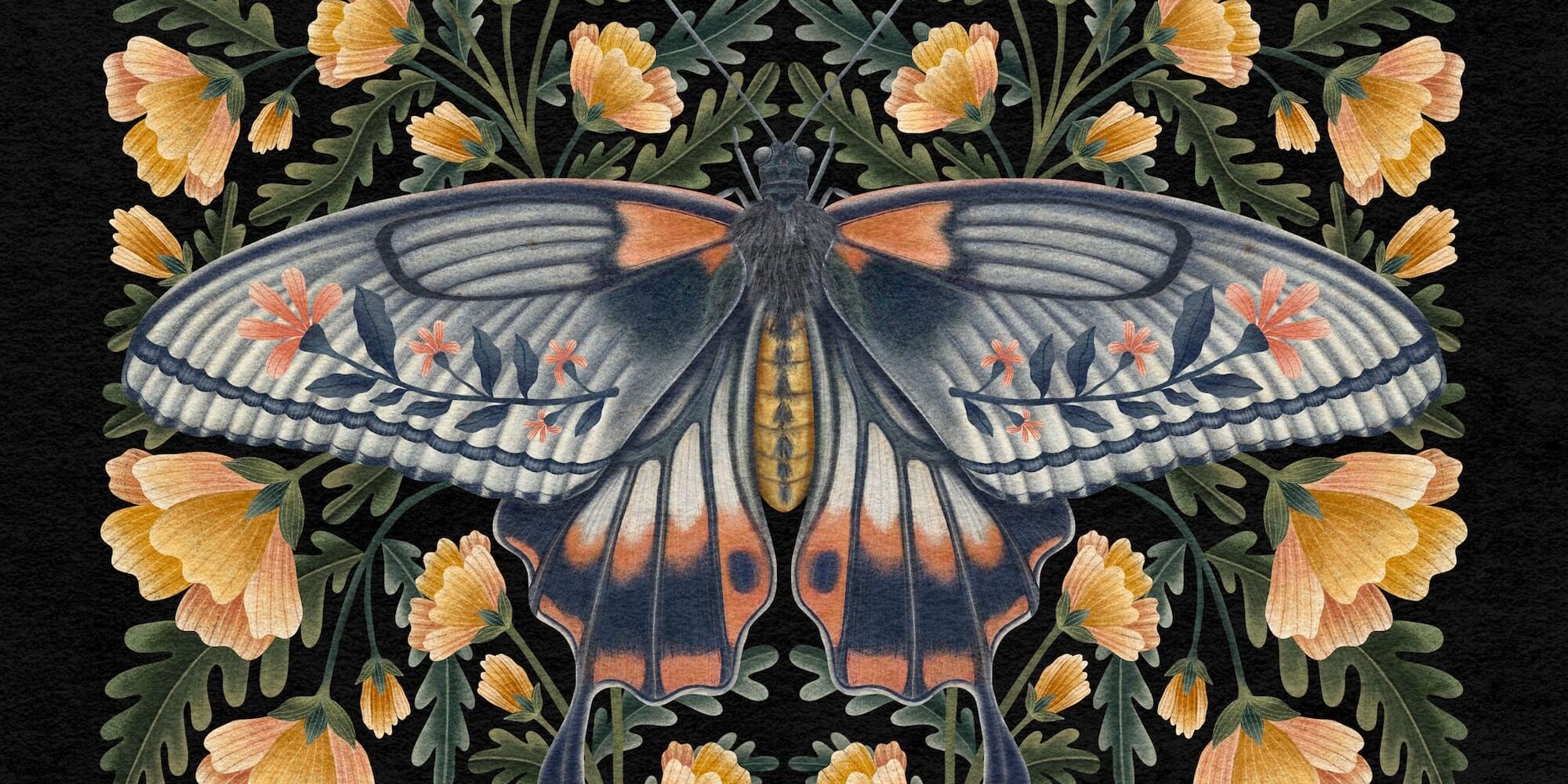
In a refreshing blend of nostalgia and artistic expression, Rebecca Zwanzig’s latest collection of digital illustrations has started gaining significant attention across art circles and online communities. Her work, infused with motifs from various art history eras, has resonated deeply with audiences, sparking discussions around the intersection of past and present artistic ideals. The response has been overwhelmingly positive, showcasing a renewed appreciation for illustrative art in a digital age.
Immediate reaction
Upon the release of Zwanzig’s latest pieces, social media platforms erupted with admiration, leading to her work being shared widely among art enthusiasts and critics alike. Art bloggers have drafted reviews praising her innovative use of color and composition, drawing parallels between her illustrations and revered works from the Renaissance to the Romantic period. The immediacy of the online response suggests that her illustrations have not only captured the aesthetic sensibilities of the public but have also prompted an introspective dialogue about how visual narratives evolve in contemporary society.
What triggered the move
Zwanzig’s foray into digital illustrations is marked by her strategic incorporation of historical references. By weaving iconic elements from classical art into her creations, she invites viewers to engage with the art world on a deeper level. This direction follows a broader trend in the art industry where many creators are embracing digital mediums and exploring themes that echo historical contexts. It appears the move was partly inspired by a desire to evoke shared memories and experiences, making art more relatable and accessible to a diverse audience.
Why readers should care
The significance of Zwanzig’s work extends beyond aesthetics; it stirs conversations about cultural history and the role of digital technology in shaping artistic landscapes. For collectors, art investors, and casual admirers, her illustrations provide an opportunity to experience the richness of art history through a modern lens. The blend of past and present invites reflection on how nostalgia influences contemporary expression and challenges the perception that traditional art forms are dwindling in relevance. As digital art continues to thrive, understanding such intersections will be crucial for both the industry and its audience.
In the short term, the impact of Zwanzig’s illustrations is poised to encourage similar artistic endeavors, potentially inspiring a wave of digital creators to explore historical subjects. As the public follows her trajectory, we may see an increase in art that melds past influences with modern techniques, further promoting engagement with art history among new generations. The excitement surrounding her work suggests a revival not only of interest in illustrative art but also in the means by which artists draw inspiration and tell stories in our digital era.
Original Source: https://www.thisiscolossal.com/2026/10/rebecca-zwanzig-digital-flowers-illustrations/