
Background and context
The Amazon rainforest, with its dense foliage and rich biodiversity, has long been a battleground in the fight against malaria. Efforts to combat the disease intensified in the early 2000s, especially around large infrastructure projects such as dams. One notable example is the Belo Monte Dam in Brazil, which started operations in 2016. Initial reports suggested that widespread malaria cases in this region had drastically reduced during the construction phases due to improved housing and vector control initiatives.
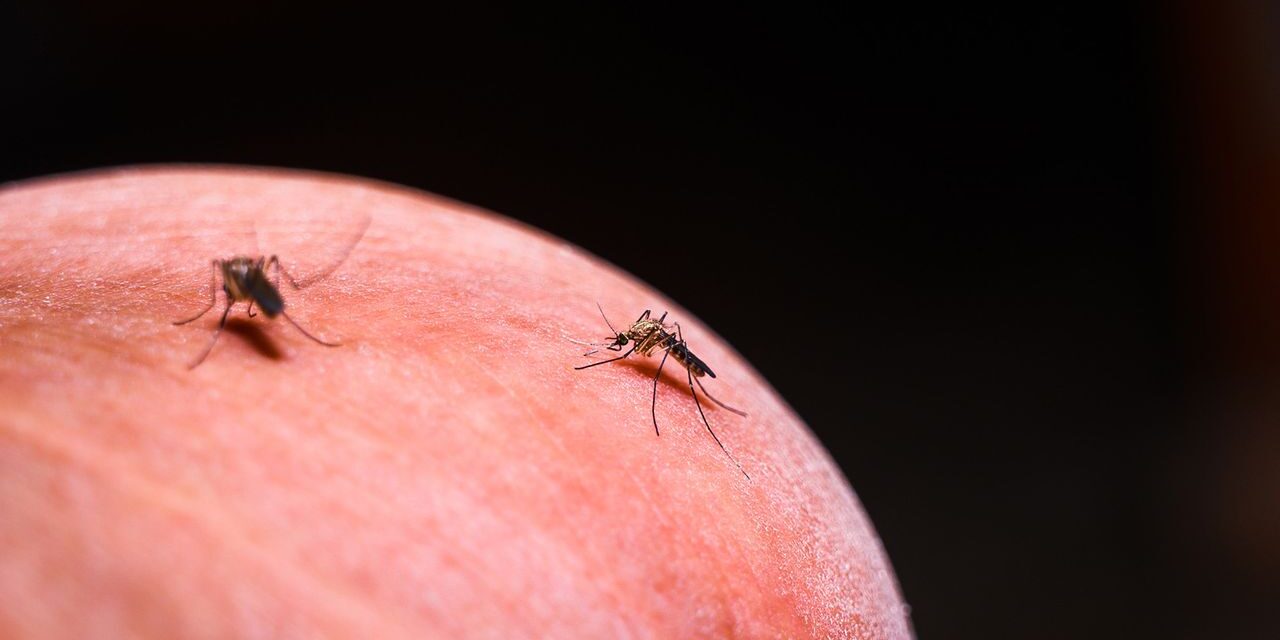
Malaria, primarily transmitted by the Anopheles mosquito, had been a significant health concern in Brazil, especially in remote areas where public health infrastructure is often lacking. However, the presence of the dam created both opportunities and challenges. It altered the local ecosystem by creating stagnant water bodies, which can serve as breeding grounds for mosquitoes. Concurrently, the influx of workers and migrants to the area during the dam’s construction had raised concerns about increasing malaria transmission.
Latest developments
Recent research findings indicate a disturbing resurgence of malaria in the vicinity of the Belo Monte Dam. Data collected over the past year show a stark increase in confirmed malaria cases, raising alarms among epidemiologists and public health officials. Researchers have identified several factors contributing to the outbreak, including environmental changes linked to the dam’s operations.
Ecosystem alterations have led to a proliferation of mosquito populations, fueled by standing water from the dam and related construction activities. Furthermore, deforestation in the region not only disrupts habitats but often displaces both wildlife and human populations, creating conditions conducive to malaria transmission. Health experts are emphasizing the importance of monitoring these environmental shifts to understand their potential impact on disease vectors.
Another key factor is the movement of people within and into this area. The influx of workers, many of whom come from regions with low immunity to malaria, along with the local population’s changing immunity profile, has generated a perfect storm for parasite transmission. As these dynamics play out, health authorities are increasingly challenged to conduct effective interventions.
What to watch next
As health officials scramble to address the resurgence, the situation calls for renewed public health strategies focused on vector control, education, and community engagement. Monitoring malaria trends will be vital to gauge the effectiveness of response measures.
Looking ahead, experts urge for detailed studies to refine understanding of how infrastructure development impacts health, particularly in vulnerable ecosystems. Policymakers must prioritize maintaining a balance between economic development and public health safeguarding. As the situation evolves, cooperation between local and international health organizations will be crucial in implementing effective measures and preventing further malaria outbreaks.
The situation around the Belo Monte Dam serves as a stark reminder of the complexities surrounding large infrastructure projects and their potential unintended consequences on public health. Addressing malaria resurgence requires an interdisciplinary approach to both health and environmental management, aiming to find long-term solutions to this age-old disease in a rapidly changing world.