What happened
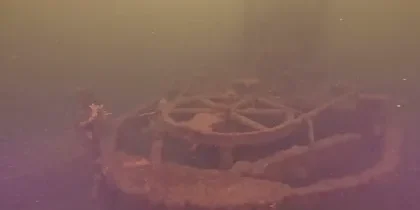
In a groundbreaking exploration, researchers recently employed an advanced underwater robot to investigate the depths of Lake Washington, unveiling what many are calling “Shipwreck City.” The robotic submersible, equipped with high-resolution cameras and sonar technology, surveyed the lake’s hidden landscape, revealing an astonishing array of submerged vessels, artifacts, and remnants from decades of maritime history.
This exploration marks a significant milestone in marine archaeology and environmental study. The robot’s successful data collection has provided unprecedented insights into the lake’s ecosystem and the human interactions that have shaped it over the years. The initiative, led by a partnership of local universities and conservation groups, aims to document and preserve the underwater heritage of this urban waterway.
Why it matters
The discovery of Shipwreck City is not just an exciting find for local historians; it also raises important questions about the environmental impact of urban development on aquatic ecosystems. Lake Washington has witnessed extensive urbanization, with industries and communities developing along its shores. The artifacts from the lake’s floor serve as reminders of the region’s maritime past, illustrating how human activities have simultaneously contributed to and complicated the natural landscape.
By employing cutting-edge robotics, researchers hope to better understand how these historic wrecks affect the lake’s ecology—particularly how they might influence sedimentation patterns and aquatic life. The combination of history and environmental science highlights the interdisciplinary nature of this project, with implications for preservation efforts and educational outreach regarding aquatic resources.
What comes next
The immediate outlook for this project encompasses further investigations and analysis of the collected data. Researchers are planning additional dives in the coming months to map and catalogue more shipwrecks and artifacts, establishing a comprehensive database that can aid both conservationists and historians. Community engagement is also on the agenda, with workshops and informational sessions aimed at raising public awareness about the significance of these underwater discoveries.
As the exploration team delves deeper, they are likely to uncover stories and riches from the past that can enrich our understanding of Lake Washington and its historical context. The project also sets an exciting precedent for similar urban lakes across the country, underscoring the potential for underwater robotics to reveal hidden realms that lie just below the surface.