
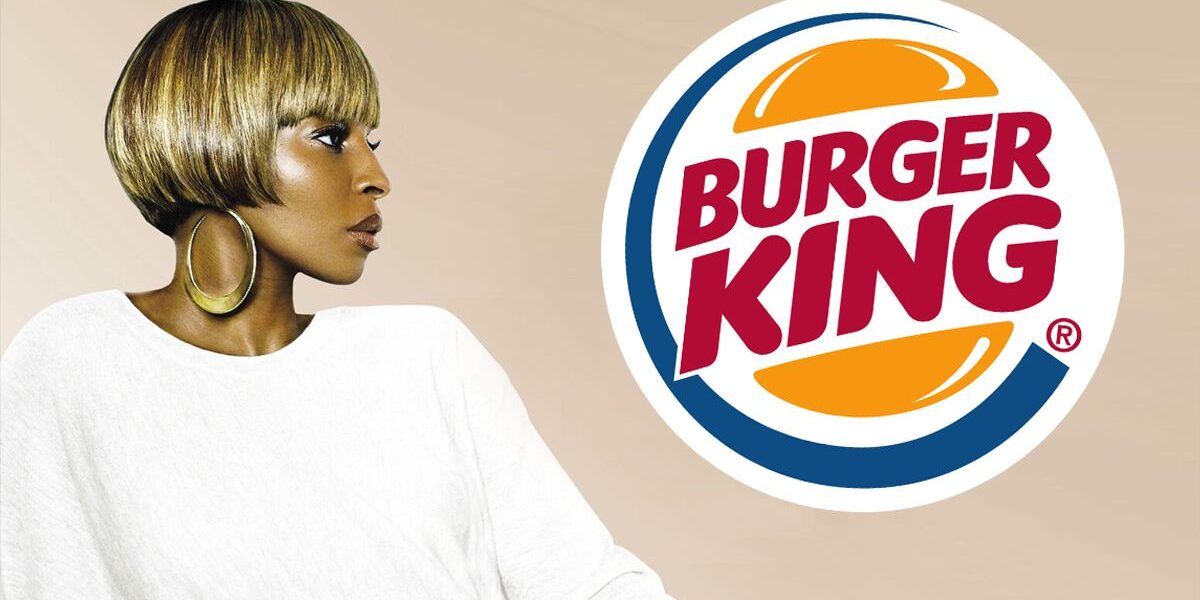
The 2012 advertisement featuring Mary J. Blige for Burger King remains a talking point for many, even over a decade later. When the commercial first aired, it was intended to mark a new direction for the fast-food giant, but it ultimately faced heavy criticism, leading to its quick removal from circulation. The backlash was immediate, sparking debate on social media and prompting reactions from both fans and industry experts.
Immediate reaction
When the Burger King commercial premiered, it showcased Blige singing about crispy chicken and the joy of fast food. However, the perceived alignment of her image and reputation with a fast-food chain did not sit well with many viewers. Social media exploded with critics arguing that the ad was demeaning and trivialized Blige’s status in the music industry. This sparked a wave of conversations around how Black artists are often commodified in advertising, particularly in ways that can feel reductive to their artistry and persona.
Within 24 hours, Burger King pulled the ad from all platforms. Industry insiders noted that the decision reflected the growing sensitivity regarding race and representation in advertising. While some fans defended Blige, praising her for her creativity and willingness to engage with commercial projects, others believed the partnership undermined her artistic credibility. The ad’s removal was a significant acknowledgment of the power public sentiment wields in today’s media landscape.
What triggered the move
The backlash against the Burger King commercial stemmed from various factors, not least of which was the contemporary climate surrounding portrayals of artists in popular media. Mary J. Blige, a celebrated figure in hip-hop and R&B, is often regarded as a symbol of empowerment and resilience. Critics saw the ad as a jarring mismatch, arguing that associating her with fast food distracted from her accomplishments and undermined her image.
The conversation surrounding the ad also reflected broader societal issues regarding race, gender, and consumer culture. As corporations increasingly seek to align themselves with cultural figures, the response to this advertisement illuminated critical discussions about authenticity and intent behind such partnerships. Critics argued that companies should exercise more caution and understanding when collaborating with artists, especially those who have cultivated strong, meaningful identities.
Why readers should care
The ongoing discussion about Blige’s Burger King ad exemplifies a larger narrative at play in contemporary marketing and celebrity culture. It raises essential questions about how artists are portrayed and the potential ramifications of their branding decisions. For consumers and fans, it serves as a reminder of the complexities involved in celebrity endorsements and how they can affect public perception.
As marketing strategies continue to evolve, the implications of this incident resonate within the advertising industry and among artists themselves. The fallout from the ad also encourages stakeholders to think critically about the future of brand partnerships, as they must navigate an increasingly aware and vocal audience. In the short term, while Blige moves forward in her multifaceted career, the ripple effects of the controversy underscore a need for continued dialogue on representation and authenticity in advertising.
Original Source: https://www.creativebloq.com/design/advertising/why-a-2012-burger-king-ad-still-haunts-mary-j-blige