
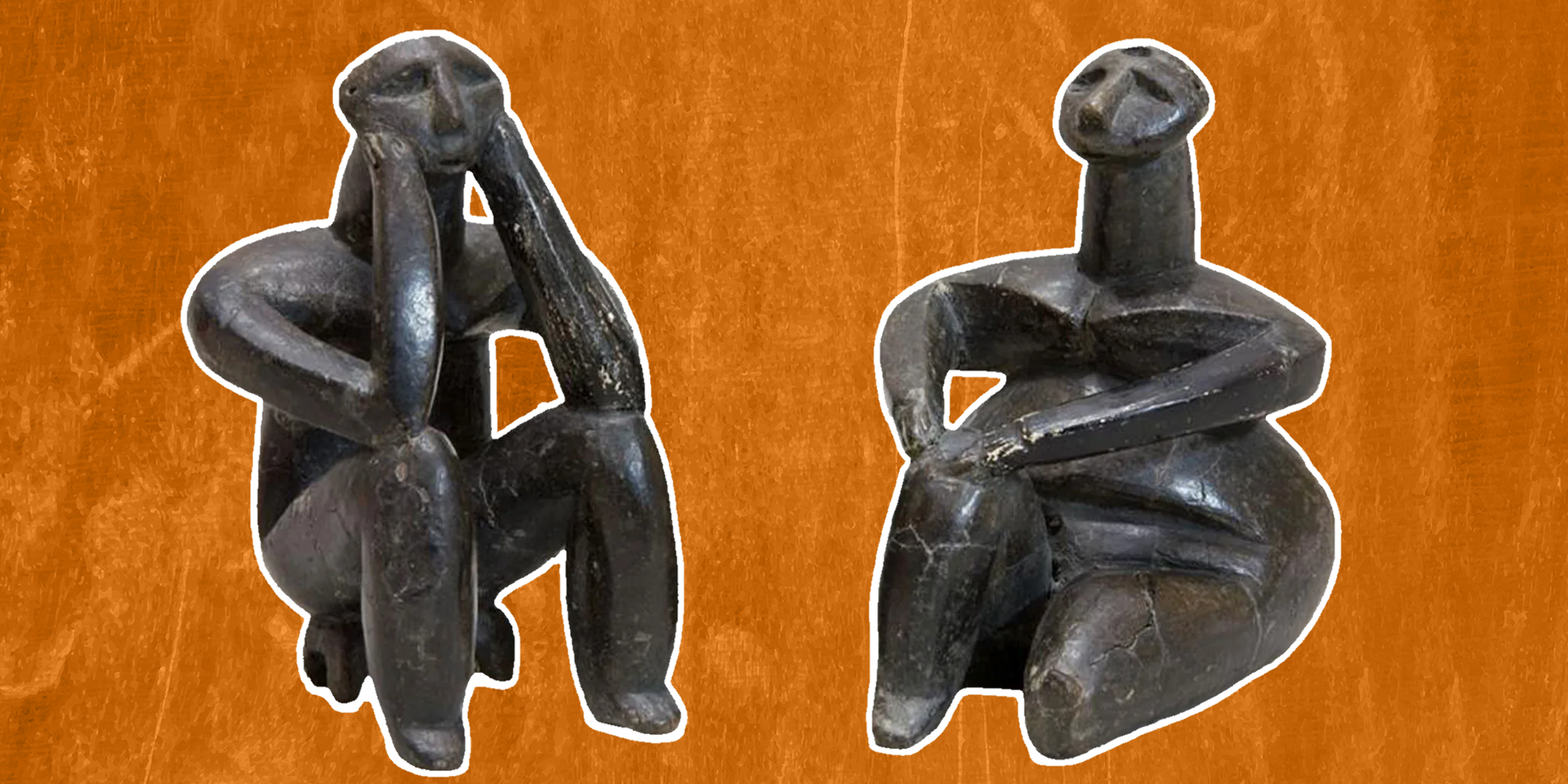
A recent archaeological discovery in Cernavodă, Romania, has unveiled a remarkable set of Stone Age figurines dated to approximately 7,000 years ago. The artifacts, found within a grave site, offer crucial insights into the lives and beliefs of the region’s early inhabitants, shedding light on an era that has long been shrouded in mystery.
Key details
The figurines, made from clay and measuring only a few inches in height, depict humanoid forms with exaggerated features, suggesting that they may have held significant cultural or ritualistic importance. Discovered in what is believed to be a burial site, these artifacts were carefully interred alongside pottery and other grave goods, pointing to a complex understanding of death and the afterlife among the ancient people of this region.
Archaeologists have noted the striking craftsmanship of the figurines, which display intricate details that suggest a sophisticated artistic tradition. The figurines are thought to represent fertility figures or deities, a common theme in prehistoric art across Europe. These findings contribute to a growing body of evidence that indicates the widespread production of such art during the Neolithic period.
Why this matters
The significance of this discovery goes beyond the artifacts themselves. The figurines provide tangible connections to the social and spiritual lives of the people who lived in Cernavodă around 5,000 BCE. This era is pivotal in understanding the transition from nomadic lifestyles to settled agricultural communities in southeastern Europe.
These findings also highlight the importance of Cernavodă as a cultural hub during the Neolithic. As new research emerges, scholars can better piece together the intricacies of trade, craftsmanship, and belief systems that characterized these early societies. Furthermore, the discovery resonates with ongoing discussions about the role of art in human expression and identity, even at the dawn of civilization.
Broader picture
This discovery is part of a larger trend in archaeology as researchers increasingly focus on untapped historical sites. The Cernavodă figurines are reminiscent of similar finds throughout Europe, suggesting a shared cultural heritage that predates recorded history. Such connections emphasize the importance of regional studies that examine local practices within a broader European context.
As excavations continue in Cernavodă, there is potential for discovering more artifacts that could further illuminate the lifestyles of these early inhabitants. The findings also raise questions about the role of women in these societies, as many figurines are believed to represent female figures, possibly indicating their societal status and roles.
In closing, the discovery of the Cernavodă figurines offers an invaluable glimpse into a distant past, enriching our understanding of early human life and culture. As archaeologists delve deeper into the region, they are not only piecing together the historical narrative of Cernavodă but also contributing to broader discussions regarding the fundamentals of human expression, identity, and community in the Stone Age.
Original Source: https://www.livescience.com/archaeology/thinkers-of-cernavoda-mysterious-stone-age-figurines-discovered-in-a-7-000-year-old-grave-in-romania