
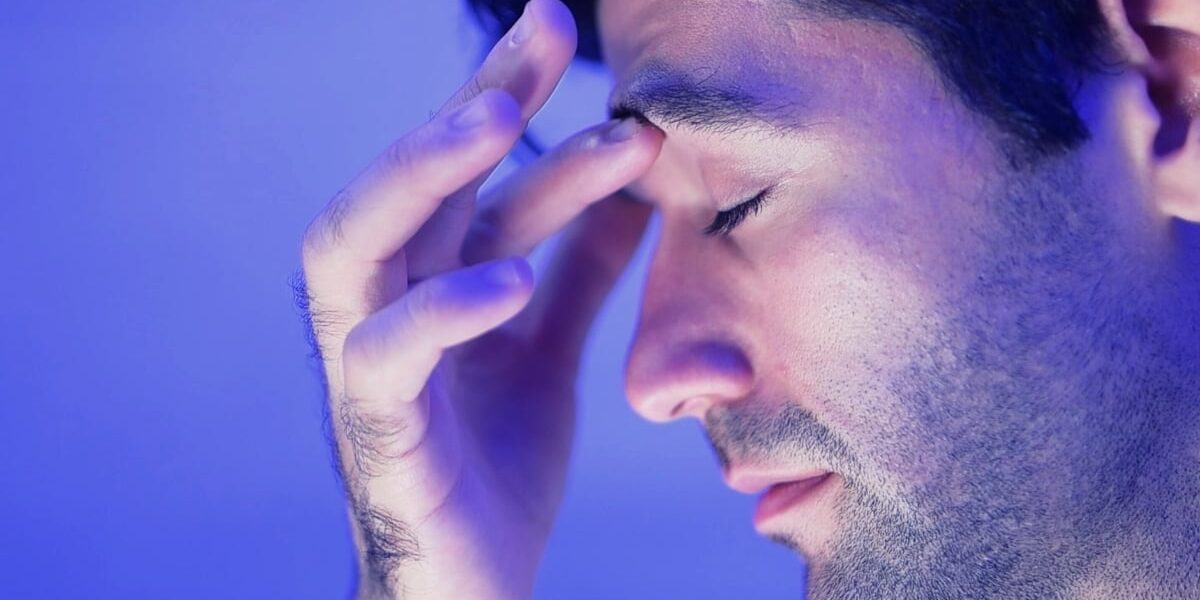
Recent studies have revealed that the fatigue many people feel upon waking, particularly after experiencing vivid dreams, may not solely be a product of the dreams themselves. Instead, researchers are pointing to underlying factors such as sleep quality, sleep disorders, and even lifestyle choices as significant contributors to morning exhaustion.
What happened
In a recent publication in the journal Sleep Health, scientists analyzed sleep patterns in individuals who frequently report feeling tired after dreaming. They discovered that poor sleep quality, characterized by interrupted sleep cycles and insufficient time spent in deep sleep, was significantly correlated with feelings of fatigue upon waking. The researchers emphasized that while vivid dreams can be an engaging component of sleep, they are not the predominant cause of waking fatigue.
Moreover, the study highlighted the prevalence of sleep disorders such as sleep apnea and insomnia. Participants with these conditions frequently reported more vivid dreams but also expressed increased difficulty in feeling rested after sleep. This indicates a complex interplay between various sleep factors, suggesting that it isn’t just the excitement of dreams that contributes to morning weariness.
Why it matters
The implications of these findings extend beyond individual experiences of tiredness. There is increasing recognition that sleep quality is directly linked to overall mental and physical health, influencing mood, productivity, and cognitive function. Understanding that vivid dreams might not be the primary cause for fatigue can lead individuals to seek treatment for underlying sleep disorders.
Healthcare professionals are also taking note. Dr. Amy Johnson, a sleep specialist involved in the study, states, “Recognizing that dream intensity doesn’t correlate directly with sleep quality can help shift our focus toward improving overall sleep health.” By tackling issues like sleep apnea, users can not only improve their waking feelings but also enhance their sleep quality, leading to more restorative rest.
For many, focusing on sleep hygiene—establishing regular sleep patterns, creating a comfortable sleep environment, and limiting stimulants—could mitigate feelings of tiredness upon waking. Furthermore, the distinctions made in recent research encourage discussions around mental health, as individuals often internalize feelings of exhaustion stemming from their dreaming experiences without addressing fundamental sleep issues.
What comes next
Looking ahead, the research community is poised to delve deeper into the connection between vivid dreams and sleep disorders. Future studies aim to explore how lifestyle adjustments, such as diet and exercise, can affect sleep quality and subsequent dream experiences.
Public health campaigns are also likely to emphasize the importance of recognizing sleep disorders as treatable conditions. Awareness is growing, suggesting that the next pivotal step could involve encouraging individuals to consult sleep specialists when experiencing chronic fatigue related to dreaming, rather than merely attributing it to the content of their dreams.
The immediate outlook is encouraging. With ongoing research and increased awareness of sleep disorders, the prospect for better sleep health and improved quality of life stands to grow, paving the way for those exhausted by both vivid dreams and their underlying causes.
Original Source: https://www.sciencealert.com/feeling-tired-after-vivid-dreams-science-says-something-else-is-to-blame