
Key details
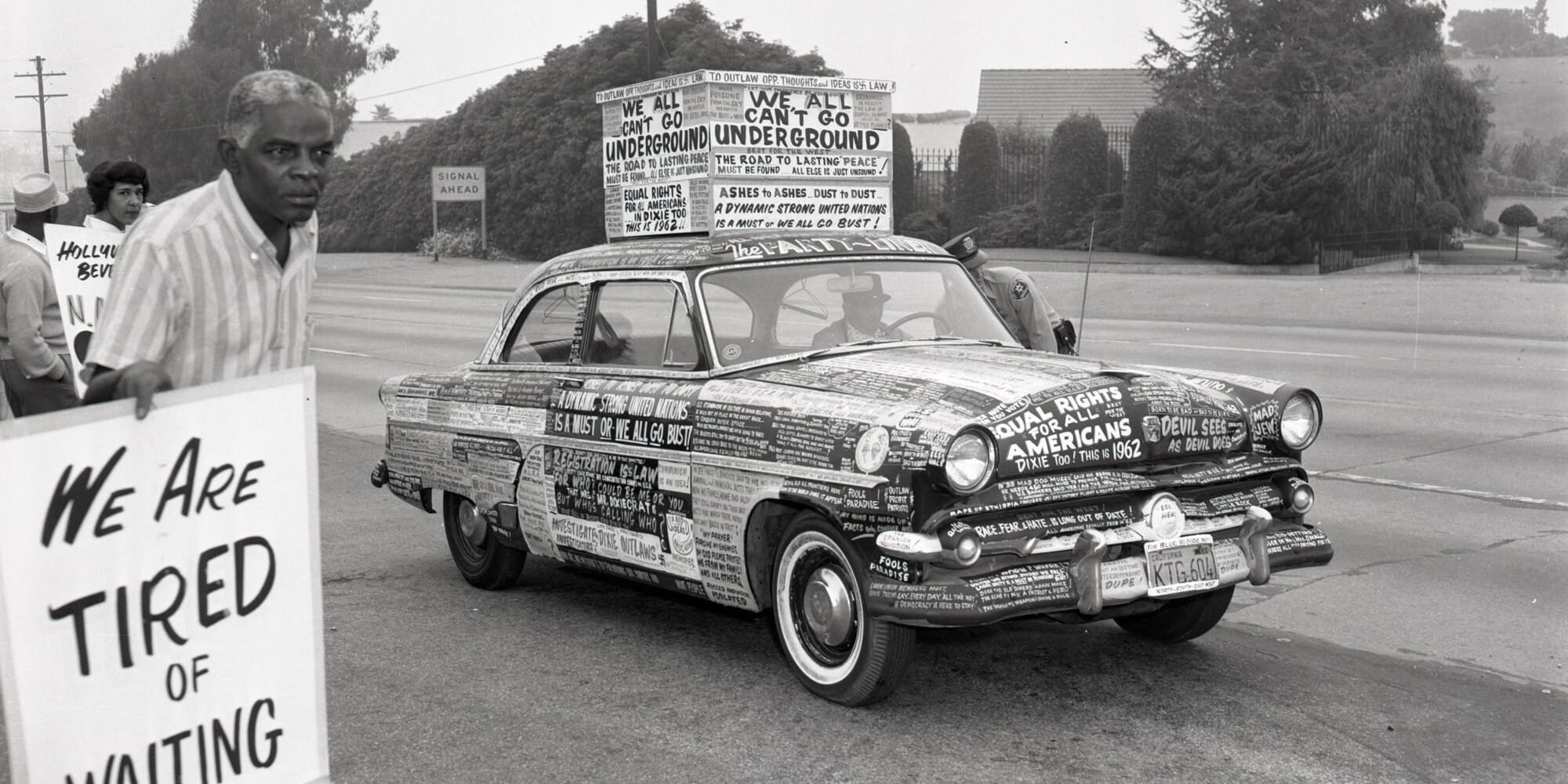
The Black Arts Movement (BAM), emerging in the 1960s and extending into the 1970s, was a cultural and artistic phenomenon intertwined with the Civil Rights Movement. Among the various forms of expression, photography played a crucial role in shaping the narratives and visual representation of African American identity. Pioneering photographers like Gordon Parks, Roy DeCarava, and Kwame Brathwaite used their lenses to explore themes of racial pride, social justice, and community resilience. These images not only documented the struggles and achievements of Black Americans but also aimed to shift cultural perceptions and challenge mainstream media portrayals.
A notable example is Parks’ series on the life of the African American community in Harlem, where he applied his photojournalistic talent to capture poignant scenes of everyday life. Similarly, DeCarava’s work highlighted the intimate aspects of Black existence, focusing on the warmth, dignity, and dynamism of his subjects. Brathwaite’s photography, renowned for its emphasis on Black beauty and cultural expression, became a vital part of the movement, reinforcing a sense of identity and pride.
Why this matters
The significance of these photographs extends beyond aesthetics; they offered a powerful counter-narrative to the dominant ideologies of the time. In an era marked by racial conflict, these visual representations served as instruments of empowerment. They not only fostered a sense of belonging within the Black community but also educated broader audiences about Black experiences and culture. The richness of these images helped to craft a visual lexicon for African Americans, transforming how both they and others viewed their place in society.
Moreover, the influential role of photography in BAM intersects with other art forms such as literature, music, and theater, which collectively sought to assert the Black experience. For instance, the work produced within BAM continually referenced visual art, inspiring poets and playwrights to adopt similar themes of cultural affirmation and resistance. Photographs, therefore, were not mere documentation; they were integral to the storytelling that bolstered movements for social change.
Broader picture
As the Black Arts Movement flourished, its legacy continued to influence contemporary art, photography, and cultural movements. The emphasis on representation and identity observed in BAM resonates significantly in today’s visual culture. Contemporary artists utilize similar themes of activism and identity, often revisiting and reinterpreting the work of their predecessors to reflect current societal challenges.
In an age where visual media remains a dominant force in shaping public opinion, the impact of BAM’s photographers endures. The images produced during this time remind us of the power wielded by visual documentation in advocating for social justice and cultural awareness. The photographs that emerged from the movement served not only as reflections of their time but also as enduring symbols of the ongoing struggle for equality and representation.
The exploration of these compelling images underscores an essential understanding of how art can play a vital role in societal progress. By examining the photographic legacy of the Black Arts Movement, we recognize the importance of continuing to uplift diverse narratives and perspectives in visual culture today.
Original Source: https://www.thisiscolossal.com/2026/05/photography-black-arts-movement-exhibition/