The latest turn
Recent public health reports have highlighted a surge in rabies cases across several regions, raising alarm among health officials. The increase in incidents is largely attributed to a spike in wildlife encounters, particularly with bats and raccoons, which are common rabies carriers. Health agencies are urging the public to vaccinate pets and increase awareness about the virus, especially in areas where rabies transmission is on the rise.
As more people learn about rabies, understanding how this virus operates within the body can inspire preventative measures and highlight the importance of timely medical intervention. Unfortunately, once clinical symptoms appear, rabies is nearly always fatal. However, education can empower people to seek post-exposure prophylaxis immediately after a bite from a potentially infected animal.
How the story got here
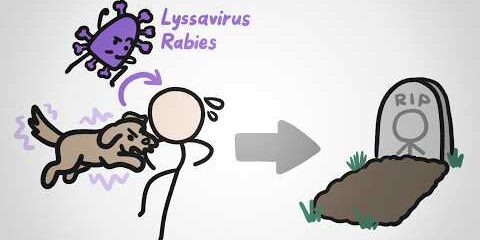
Rabies is caused by the rabies virus, which primarily resides in the saliva of infected animals. Typically transmitted through bites, the virus can find its way into the human body, initiating a harrowing journey. Immediately upon exposure, the virus enters muscle tissue and begins to replicate.
Following this initial phase, the virus targets nerve cells, leveraging the body’s own pathways to navigate the nervous system. It travels along axons, ultimately reaching the central nervous system within days or weeks. Rabies has a clever stealth mode; it does not trigger an aggressive immune response at first, allowing it to establish a stronghold before symptoms arise.
Once the virus gains access to the central nervous system, it can spread rapidly to the brain and spinal cord, causing inflammation and degeneration. Symptoms can include confusion, agitation, hallucinations, and paralysis. This stage can progress to coma and death within weeks. Even though rabies is preventable through vaccination, awareness of its terrifying trajectory within the body remains crucial.
The World Health Organization (WHO) emphasizes that rabies claims nearly 60,000 lives each year, mostly in Africa and Asia, underlining the need for improved vaccination programs and public health infrastructure. Efforts to raise awareness about rabies in under-vaccinated populations have gained momentum, showing promise in combating how the virus spreads globally.
Next expected developments
As efforts to combat rabies continue, experts anticipate advancements in vaccine development and treatment protocols. One hopeful stride is the pursuit of innovative therapies that may treat symptomatic rabies cases more effectively than current treatments. Additionally, a global initiative aims to eliminate dog rabies by 2030, recognizing that the majority of human rabies cases stem from domestic dogs.
Researchers are also focusing on enhancing public health education campaigns, emphasizing preventive measures such as vaccinations for pets and avoiding contact with wild animals. With increased understanding of how rabies operates within the body, healthcare providers and the public are better equipped to respond to potential exposures.
In light of these advancements and ongoing efforts, the next milestone will likely be an increase in vaccination rates and a decrease in rabies incidence, paving the way for a world where this once-deadly virus no longer poses a significant threat to human health. The potential for a rabies-free future hinges on comprehensive education, community engagement, and relentless innovation in medical research.
Original Source: https://www.neatorama.com/2026/05/20/The-Terrifying-Way-Rabies-Works-in-Your-Body/