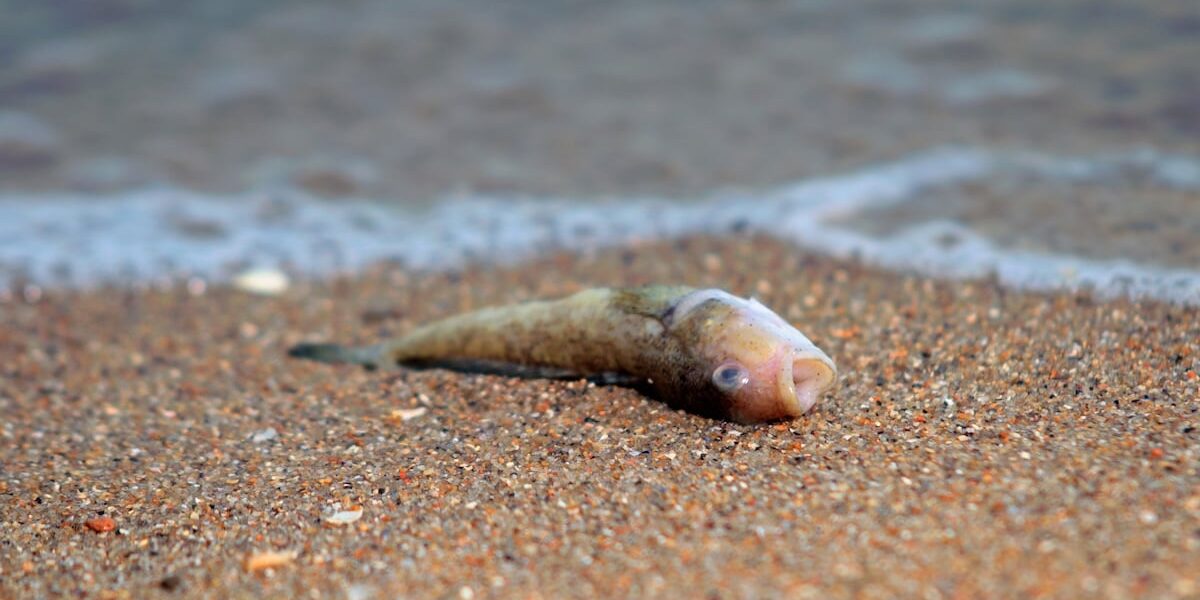
A recent study has alarming implications for freshwater ecosystems worldwide, revealing that approximately 80% of Earth’s rivers are rapidly losing oxygen. This decline in dissolved oxygen has raised concerns among scientists about the potential impacts on biodiversity, aquatic life, and overall water quality.
Latest developments
This significant finding was published in a comprehensive research paper in a leading environmental journal, led by a team of global researchers who examined data from thousands of river monitoring sites. The research spans multiple continents and underscores a worrying trend that could disrupt aquatic ecosystems and water resources critically depended on by humans and wildlife alike.
The study highlights that regions already affected by warming temperatures, pollution, and river modifications are experiencing the most pronounced oxygen depletion. Key contributors to this decline include nutrient runoff from agriculture and urban areas, which leads to algal blooms that consume oxygen as they decompose. Prolonged periods of low flow due to climate change are exacerbating these conditions, further reducing oxygen levels in many rivers.
Background and context
Freshwater ecosystems are vital for maintaining biodiversity and supporting human life. Rivers serve as crucial sources of drinking water, recreation, and irrigation. However, the health of these waterways has deteriorated in recent decades due to various anthropogenic pressures. Nutrient pollution, habitat destruction, and climate change have all played roles in the degradation of river systems.
The phenomenon of low dissolved oxygen, known as hypoxia, can lead to dead zones—areas where aquatic life is severely diminished or absent. This not only threatens fish populations but also affects larger species that rely on them for food. For example, hypoxic conditions have been directly linked to the decline of fisheries in various regions, impacting local communities and economies.
Previous studies have drawn attention to the alarming trend of oxygen depletion, but this new research underscores the sheer scale of the issue, emphasizing its global nature. The alarming statistic that 80% of rivers are affected calls for urgent action from policymakers, scientists, and conservationists to address the underlying causes and implement effective solutions.
What to watch next
As researchers continue to monitor river health worldwide, stakeholders in environmental policy are urged to prioritize ecosystem restoration and pollution control measures. Upcoming conferences and forums may provide critical opportunities to discuss strategies aimed at reversing these trends and improving water quality. Public awareness campaigns could be crucial in involving communities in reducing nutrient runoff and advocating for cleaner water practices.
Moreover, further research will be essential to understand the long-term implications of oxygen depletion on river ecosystems and the broader implications for climate resilience. As the evidence mounts, the imperative for actionable measures becomes ever clearer, demanding a collaborative approach to restore and protect these vital natural resources.
Original Source: https://www.sciencealert.com/80-of-earths-rivers-are-quickly-losing-oxygen-study-reveals